
1980 Republican National Convention (United States)
The 1980 Republican National Convention in Detroit nominated Ronald Reagan for president and George H. W. Bush for vice president, shaping the ticket that won the 1980 U.S. election and began the Reagan era.
Overview
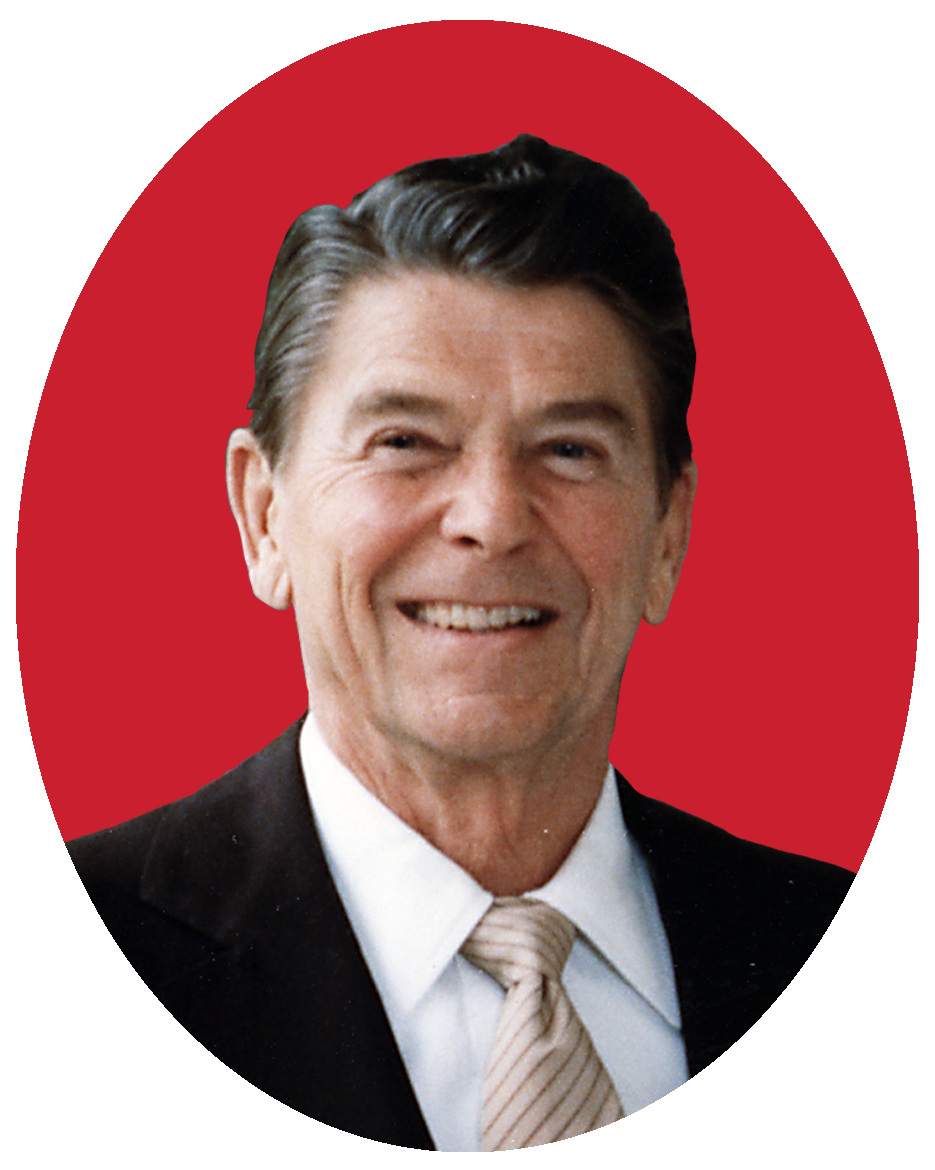
The 1980 Republican National Convention formally gathered the party’s delegates in Detroit from July 14 to July 17, 1980. Held at the Joe Louis Arena in Michigan, the meeting completed the party’s nominating process by selecting former Governor Ronald W. Reagan of California as its candidate for President and former congressman George H. W. Bush of Texas for Vice President. The convention translated the results of a competitive primary season into a unified general election ticket.
Image gallery
6 Images


Setting and organization
Conventions serve several roles: they ratify nominees, adopt a party platform, showcase speakers, and project a cohesive message to voters across the United States. Delegates at the 1980 gathering represented state parties and factional interests across the country. The choice of Detroit provided a major media venue in the industrial Midwest during a year focused on economic concerns and national security.
Nomination process and delegates
The primary calendar preceding the convention left Ronald Reagan with a clear delegate majority. The formal roll call and nomination speeches were routine but politically important events, giving the nominated ticket an official mandate. After the presidential nomination was secured, party leaders and delegates completed the vice‑presidential selection, endorsing the ticket that would face the incumbent in November.
Platform themes and speeches
The convention’s platform emphasized conservative policy priorities that had dominated the primary: reducing the size and scope of the federal government, cutting taxes, strengthening national defense, and addressing inflation and unemployment. Acceptance speeches and prime-time addresses framed these themes for a national audience and criticized the federal government’s record on the economy and foreign affairs.
Aftermath and historical significance
The ticket chosen in Detroit went on to defeat the incumbent in the 1980 general election, beginning a multi‑year political realignment often labeled the "Reagan era." The convention is remembered as the moment the Republican Party consolidated around a conservative program that reshaped policy debates on taxes, regulation, and defense through the 1980s.
Notable facts
- The convention was one component of a broader electoral strategy aimed at appealing to voters concerned by economic stagnation and international crises.
- Conventions in this period combined substantive platform decisions with staged media performances designed to introduce the nominee to a nationwide audience.
- Delegates, party officials, and surrogates used the event to highlight the ticket’s strengths and to heal divisions left over from the primary campaign.
For readers seeking primary sources or archival material, contemporary news reports and party records from the 1980 convention provide detailed accounts of speeches, roll calls, and platform language. The 1980 Republican National Convention is a significant episode in late 20th‑century American political history, illustrating how national party gatherings convert intra‑party competition into a unified campaign for the general election. For more background see the official party history and contemporary coverage linked through party and presidential archives: Republican National Convention.
Related articles
Author
AlegsaOnline.com 1980 Republican National Convention (United States) Leandro Alegsa
URL: https://en.alegsaonline.com/art/112164
Sources
- news.google.com : "It's Reagan plus Bush"
- presidency.ucsb.edu : "Address Accepting the Presidential Nomination at the Republican National Convention in Detroit"