
2016 Democratic Party presidential primaries
State-by-state primaries and caucuses held Feb 1–Jun 14, 2016, to choose the Democratic Party nominee for the U.S. presidency, highlighted by the contest between Hillary Clinton and Bernie Sanders.
The 2016 Democratic Party presidential primaries were a series of state and territorial contests held in the United States between February 1 and June 14, 2016 to choose delegates who would nominate the party's candidate for the presidency. They determined who represented the Democratic Party in the 2016 general election after incumbent Barack Obama was ineligible to run again because of term limits imposed by the Twenty-second Amendment.
Image gallery
10 Images

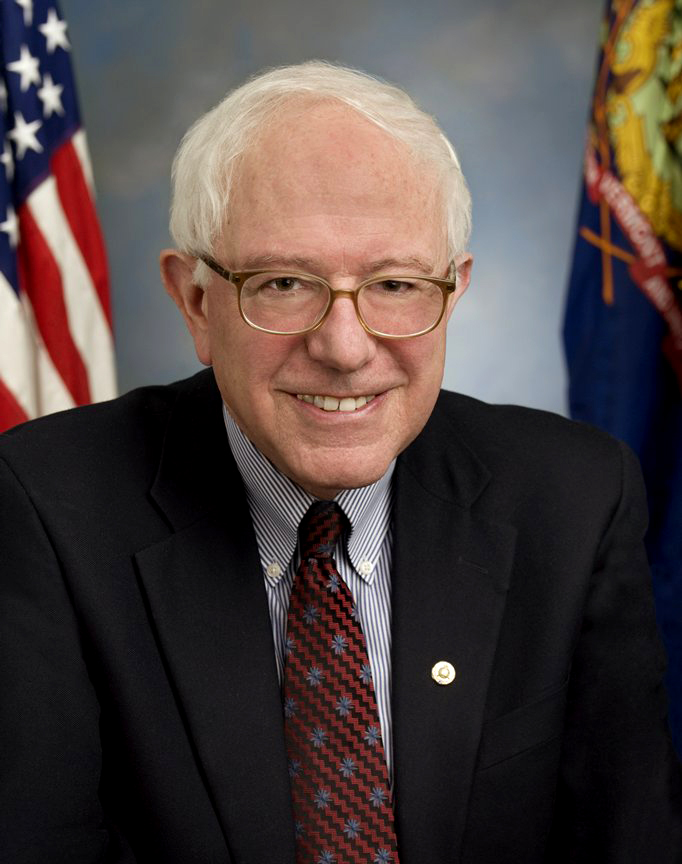
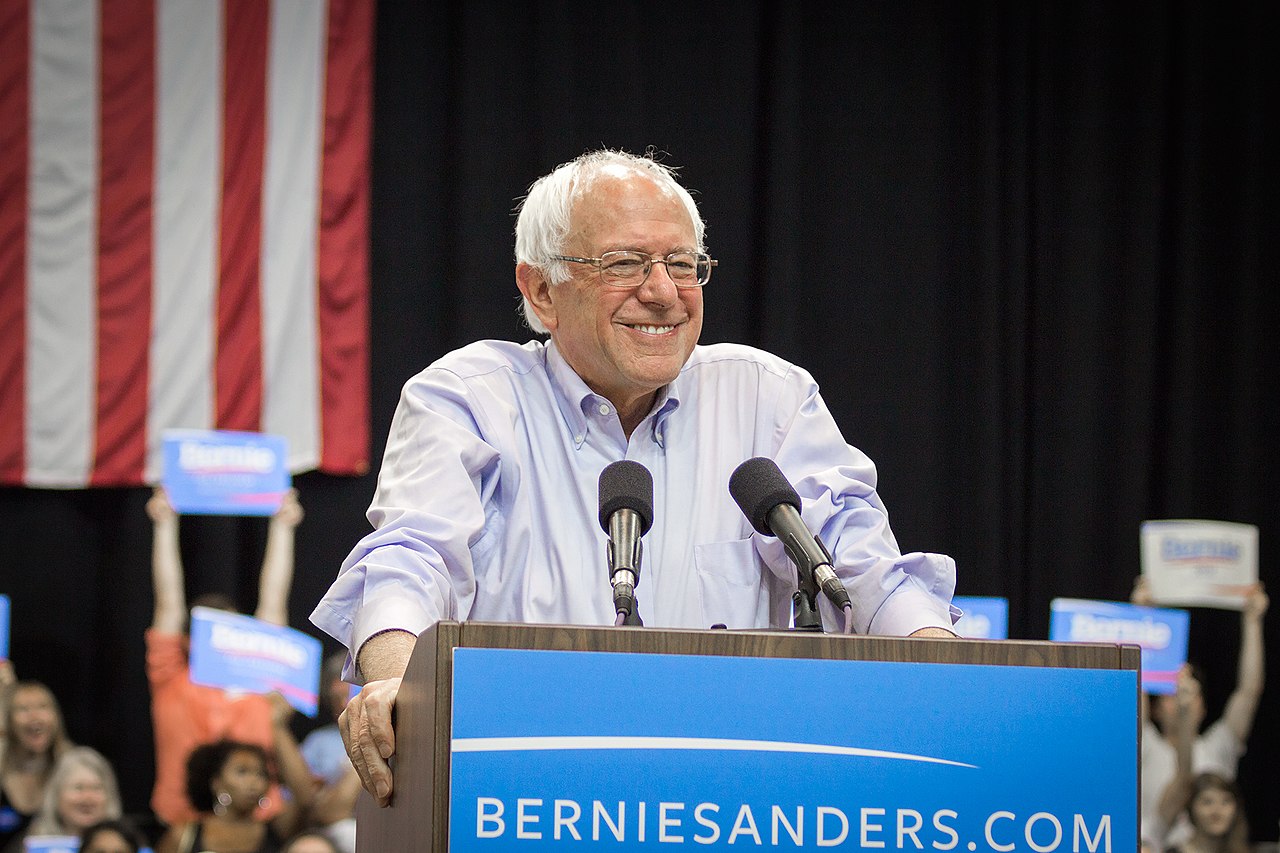


Overview and process
Primaries and caucuses allocate two main types of delegates: pledged delegates, distributed proportionally based on votes, and unpledged party leaders and elected officials known as "superdelegates," who may support any candidate. States used different methods — statewide primaries, local caucuses, or conventions — and schedules varied, with notable early contests in Iowa, New Hampshire, Nevada and South Carolina and a large multi-state "Super Tuesday" in early March.
Major candidates and themes
The race was dominated by former Secretary of State Hillary Clinton and U.S. Senator Bernie Sanders of Vermont. Clinton presented herself as the continuity candidate with broad establishment support; Sanders ran on a progressive platform emphasizing economic inequality, campaign finance reform, tuition-free public college, and stricter Wall Street oversight. A smaller field included other Democrats who withdrew after early contests.
Key contests and outcome
The campaign saw competitive showings by Sanders in multiple states and strong performances by Clinton in many diverse delegations. Voter coalitions, turnout among younger voters, and demographic differences across states shaped the results. By June 2016 Clinton had secured a delegate majority and became the party's presumptive nominee; the formal nomination took place at the Democratic National Convention in July.
Significance and controversies
- The primary highlighted ideological tensions within the party between establishment and progressive wings.
- Discussions about the role of superdelegates, the proportional allocation of delegates, and the influence of party institutions followed the contest.
- Political developments during and after the primaries—including leaked communications and debate over neutrality—shaped reform debates within the party.
The 2016 Democratic primaries left a lasting impact on candidate recruitment, nominating rules and intra-party debate that influenced subsequent Democratic contests. For maps, schedules and official rules see state party resources and primary calendars referenced by party and electoral authorities.
Further reading: national calendar, party rules, presidential nomination, candidate backgrounds, constitutional limits, Twenty-second Amendment context.
Questions and answers
Q: When did the 2016 Democratic Party presidential primaries and caucuses take place?
A: They were held between February 1 and June 14.
Q: What was the purpose of the Democratic Party presidential primaries and caucuses?
A: The purpose was to elect the Democratic Party's nominee for the Presidency of the United States in the 2016 general election.
Q: Who could not stand for re-election due to term limits under the Twenty-second Amendment?
A: President and 2012 nominee, Barack Obama, could not stand for re-election due to term limits under the Twenty-second Amendment.
Q: Did the 2016 Democratic Party presidential primaries and caucuses take place in the United States?
A: Yes, the 2016 Democratic Party presidential primaries and caucuses took place in the United States.
Q: What is the difference between a primary and a caucus?
A: A primary is a state-level election where voters can cast their ballots to select their preferred candidate, whereas a caucus is a local gathering of party members where they discuss and vote on their preferred candidate.
Q: Who were the candidates in the 2016 Democratic Party presidential primaries and caucuses?
A: The candidates in the 2016 Democratic Party presidential primaries and caucuses were Hillary Clinton and Bernie Sanders, among others.
Q: Was Barack Obama a candidate in the 2016 Democratic Party presidential primaries and caucuses?
A: No, Barack Obama was not a candidate in the 2016 Democratic Party presidential primaries and caucuses.
Related articles
Author
AlegsaOnline.com 2016 Democratic Party presidential primaries Leandro Alegsa
URL: https://en.alegsaonline.com/art/112569
Sources
- thegreenpapers.com : "Primary and Delegates for Democrats Abroad"
- washingtonpost.com : "Hillary and the rest: The Fix's ranking of the 2016 Democratic primary field"
- theguardian.com : "Hillary Clinton: I'm running for president"
- washingtonpost.com : "Run Hillary Run!: Majority want a Clinton 2016 candidacy"
- politicalticker.blogs.cnn.com : "Clinton rides high poll numbers into private life (for now?)"
- washingtonpost.com : "Hillary Clinton reaches new heights of political popularity"
- csmonitor.com : "Are Republicans really 'incapable' of beating Hillary Clinton in 2016?"
- theguardian.com : "Bernie Sanders formally launches run for president with attack on 'grotesque' level of inequality"
- nytimes.com : "Bernie Sanders, Long-Serving Independent, Enters Presidential Race as a Democrat"
- nymag.com : "Senator Bernie Sanders May Run in 2016 -- NYMag"
- nytimes.com : "The Socialist Senator"
- nytimes.com : "Challenging Hillary Clinton, Bernie Sanders Gains Momentum in Iowa"
- elections.huffingtonpost.com : "2016 National Democratic Primary"