
1984 United States presidential election
Incumbent Ronald Reagan defeated Walter Mondale in a historic landslide on November 6, 1984, winning 49 states. Key campaign themes included economic recovery, national defense, and political realignment.
The 1984 United States presidential election was held on November 6, 1984. Incumbent President Ronald Reagan, the nominee of the Republican Party, was re-elected over former vice president and Democratic standard-bearer Walter Mondale of the Democratic Party. Reagan ran with Vice President George H. W. Bush; Mondale’s running mate was Representative Geraldine Ferraro, the first woman nominated for vice president by a major U.S. party.
Image gallery
10 Images


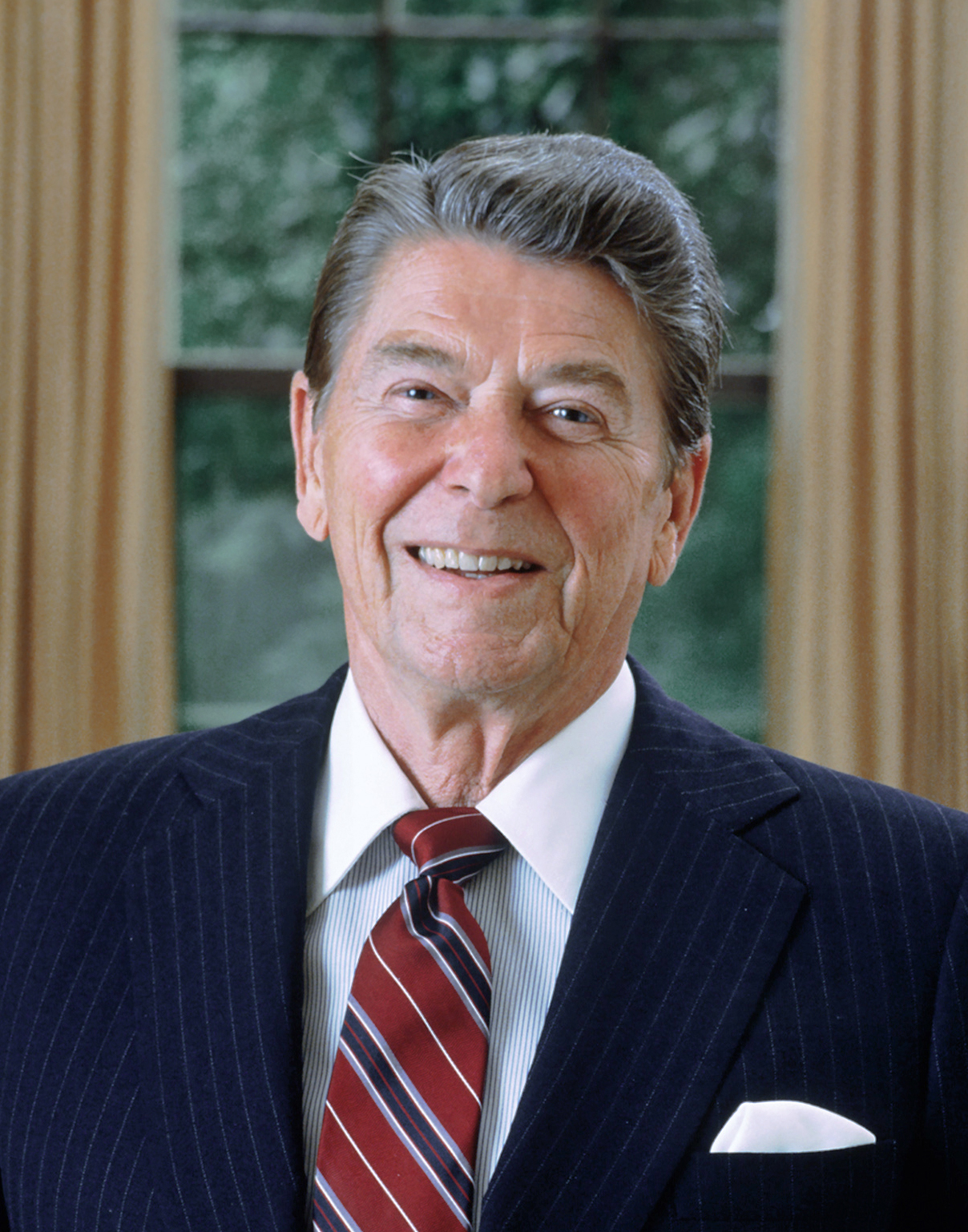


Candidates and context
The contest pitted a popular incumbent who had presided over a steady recovery from the early 1980s recession against a challenger who emphasized domestic fairness and fiscal restraint. Mondale had served as vice president under President Jimmy Carter and campaigned on protecting Social Security and criticizing the growth of federal deficits. Ferraro’s selection was historic and brought issues of gender and representation to the front of the campaign discourse.
Campaign themes and debates
Economic performance was central. After a deep recession in 1982, the U.S. experienced robust growth and declining inflation and unemployment by 1984; Reagan’s campaign framed this turnaround with the optimistic "Morning in America" messaging. National defense and technological initiatives also figured prominently. Mondale criticized Reagan’s defense proposals, including the proposed missile-defense concept commonly known as the Strategic Defense Initiative, and attacked the administration’s budgetary policies as creating large deficits.
Election results
The election ended in a decisive victory for Reagan. He won 49 of 50 states in what was widely described as a landslide, receiving 525 electoral votes to Mondale’s 13; Mondale carried only his home state of Minnesota and the District of Columbia. In terms of the Electoral College, this marked one of the largest margins on record for a successful nominee and remains a benchmark in American electoral vote history. The result is often cited among the most lopsided in U.S. presidential history.
Significance and legacy
The 1984 election reinforced the ascendancy of conservative policies that had become prominent in the 1980s, while also prompting introspection and strategic changes within the Democratic Party. Geraldine Ferraro’s candidacy expanded expectations for female participation at the highest levels of national politics. The election’s scale shaped perceptions of mandate and political realignment for the remainder of the decade: Reagan’s second term continued an agenda of defense buildup, tax policy debates, and regulatory reform, and the scale of his victory influenced political discourse and party strategy on both sides.
- Date: November 6, 1984
- Major candidates: Ronald Reagan (R) vs Walter Mondale (D)
- Electoral result: Reagan 525, Mondale 13 (electoral votes)
Questions and answers
Q: When did the 1984 US presidential election take place?
A: The 1984 US presidential election took place on November 6, 1984.
Q: Who was the incumbent president and Republican candidate in the 1984 US presidential election?
A: Ronald Reagan was the incumbent president and Republican candidate in the 1984 US presidential election.
Q: Who was the Democratic candidate in the 1984 US presidential election?
A: Walter Mondale was the Democratic candidate in the 1984 US presidential election.
Q: What was Ronald Reagan's idea that Walter Mondale criticized during the debates?
A: Ronald Reagan's idea that Walter Mondale criticized during the debates was called Strategic Defense Initiative, a missile defense system.
Q: What did Walter Mondale criticize Ronald Reagan for besides the Strategic Defense Initiative during the debates?
A: Walter Mondale also criticized Ronald Reagan for making the government borrow too much money during the debates.
Q: How was the economy during the 1984 US presidential election?
A: The economy during the 1984 US presidential election was the greatest it had been in many years, with Ronald Reagan calling it "Morning in America."
Q: Who won the 1984 US presidential election, and by how much did they win?
A: Ronald Reagan won the 1984 US presidential election by a huge landslide, winning 49 out of 50 states. This election received the highest electoral votes towards any presidential nominee in American history.
Related articles
Author
AlegsaOnline.com 1984 United States presidential election Leandro Alegsa
URL: https://en.alegsaonline.com/art/112195
Sources
- uselectionatlas.org : "Dave Leip's Atlas of U.S. Presidential Elections"
- boundless.com : "The Election of 1984"
- 4president.org : "1984 PRESIDENTIAL ANNOUNCEMENT SPEECH OF GEORGE McGOVERN"