
2020 Israeli legislative election (23rd Knesset)
Overview of Israel's 2 March 2020 election for the 23rd Knesset: context, electoral system, main parties, inconclusive results, ensuing negotiations and the April unity agreement between Netanyahu and Gantz.
The legislative election for Israel's 23rd Knesset took place on 2 March 2020. Called early after repeated failures to form a stable government following two national ballots in 2019, this vote was the third parliamentary contest within a year. The result again produced a fragmented parliament and prolonged uncertainty about coalition formation. The election occurred against the backdrop of a divisive domestic political debate, an ongoing criminal trial of the incumbent prime minister, and the early stages of the global COVID-19 pandemic, which began to shape public policy priorities and political calculations.
Image gallery
2 Images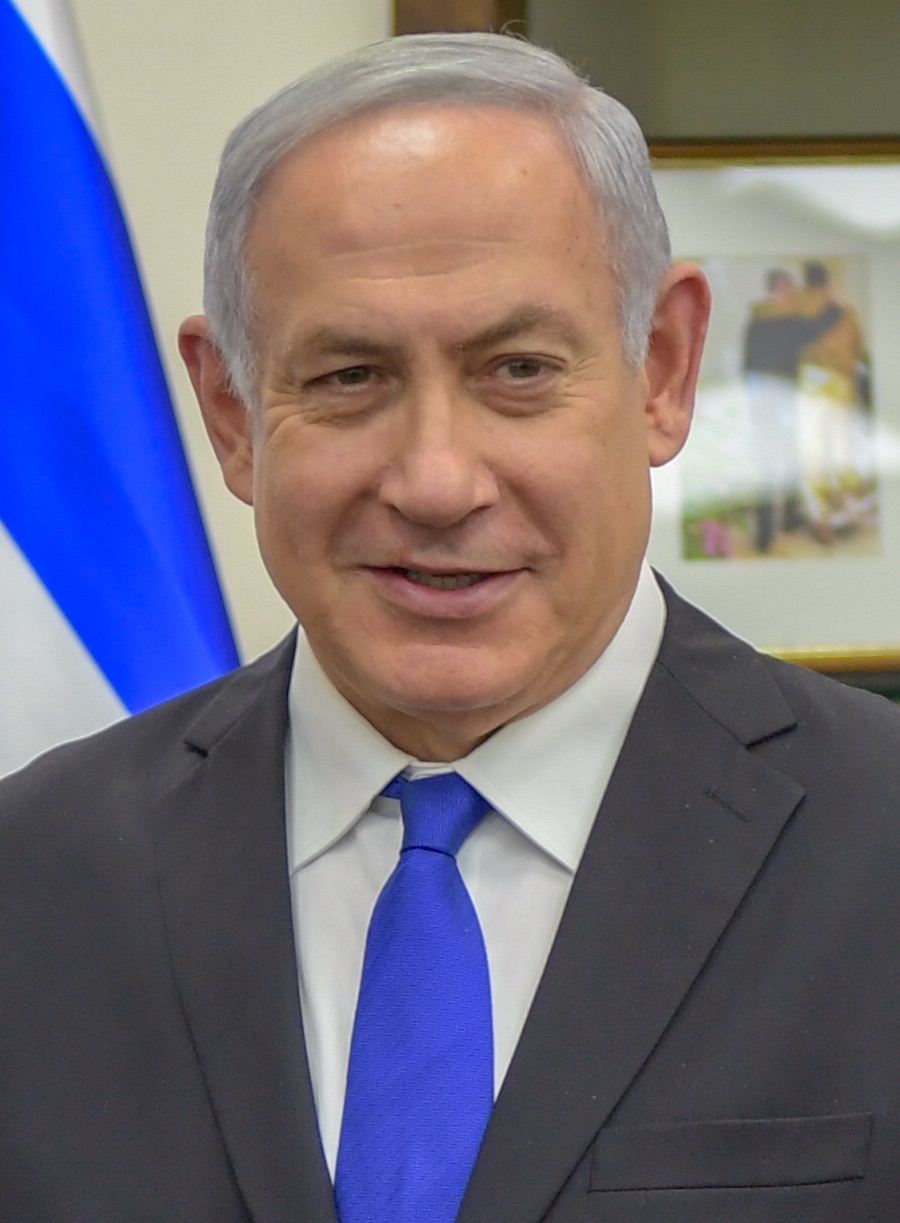

Background
Israel's Basic Laws set out the rules for Knesset elections and government formation, but the parliamentary system depends on post‑electoral coalition building. After the September 2019 election, rival blocs were unable to assemble a durable majority; parliamentary fragmentation and a polarized electorate made negotiations unusually difficult. Campaign rhetoric in early 2020 focused on national security, socioeconomic concerns, the rule of law, and the legal proceedings involving the sitting prime minister, issues that affected voter mobilization and inter‑party bargaining.
Electoral system and main parties
Israel uses nationwide proportional representation with closed party lists to elect 120 members to the Knesset, and a fixed electoral threshold for list representation. This system encourages the presence of multiple parties representing religious, secular, ideological and sectoral constituencies. The main contestants in 2020 included the long‑standing right‑wing party led by the incumbent prime minister, and the newer centrist alliance that had emerged as the principal challenger. Several religious parties, right‑wing and centre‑right lists, Arab parties and smaller left‑wing groupings also held significant roles in determining the arithmetic of coalition building. For institutional details see the entry for the 23rd Knesset and broader political context in Israel.
Campaign issues
Beyond the procedural aspects of coalition politics, the 2020 campaign was shaped by debates over security, the economy, and the independence of judicial and prosecutorial institutions. The incumbent's criminal indictment was a recurring theme, with supporters asserting continuity and stability while opponents emphasized rule‑of‑law concerns. The emerging public health crisis also had an impact: in the final weeks before polling there were growing calls for competent crisis management and cross‑party cooperation should the pandemic intensify.
Results and post‑election negotiations
No side achieved a clear governing majority, and the election repeated the pattern of tenuous balances among party blocs. With no single party commanding an outright majority of seats, the outcome required negotiations with smaller parties and diverse factional interests. Political leaders sought to form coalitions through discussions over ministerial portfolios, policy agreements and procedural guarantees; however, mutual distrust and competing policy priorities impeded quick resolution.
Unity agreement
On 20 April 2020 the two principal rival leaders announced that they had reached an agreement to form a unity government. The deal, negotiated between the challenger and the incumbent, envisaged a power‑sharing arrangement including a rotation in the prime ministerial office and mechanisms for regulating the transition. Reports described a formula under which the challenger would serve in a senior role initially and then take the premiership at a later, agreed date; at the time the arrangement was presented as a response to the political impasse and as a means to provide a functioning executive during the public health emergency. The agreement was negotiated and implemented through parliamentary votes and legislative steps that sought to bind participating parties to the rotation plan, though it remained politically controversial.
The agreement was reported in public statements by the principal actors, including the challenger Benny Gantz and the incumbent leader Benjamin Netanyahu. Commentators noted that such power‑sharing deals are exceptional in Israeli politics and carry risks, especially when deep policy disagreements persist between partners. Observers also highlighted the legal and parliamentary mechanisms that would be required to operationalize a rotation and to govern during a national emergency.
Aftermath and significance
- The March 2020 election emphasised the persistent fragmentation of the Israeli party system and the difficulty of forming stable coalitions under proportional representation.
- It unfolded at the outset of the COVID‑19 pandemic, influencing both the conduct of the campaign and the immediate priorities of the incoming government.
- The unity arrangement between the main rivals was an atypical response to repeated deadlock; while it produced temporary executive stability, it left unresolved tensions over long‑term policy, legal reform and budgetary arrangements.
For further context and detailed timelines on subsequent events, consult reference material on the 23rd Knesset, background on Israel, and profiles of the central figures such as Benny Gantz and Benjamin Netanyahu. More specialized analysis of the rotation agreement, its legislative implementation and implications for the office of the prime minister can be found in legal commentaries and parliamentary records.
Related articles
Author
AlegsaOnline.com 2020 Israeli legislative election (23rd Knesset) Leandro Alegsa
URL: https://en.alegsaonline.com/art/112667
Sources
- haaretz.com : "Israel to Hold Unprecedented Third Election in a Year After Knesset Dissolves"
- jpost.com : "After 17-month stalemate, Netanyahu and Gantz strike unity deal"