
Thimphu: capital and cultural heart of Bhutan
Thimphu, Bhutan’s capital city in a Himalayan valley, is the country’s political, cultural and economic center. This article covers its geography, history, society, landmarks and practical visitor notes.
Overview
Thimphu is the capital and principal administrative centre of the Kingdom of Bhutan, located in a wide mountain valley that gives its name to the surrounding Thimphu District. The city combines modern government offices and services with traditional Bhutanese architecture and religious institutions. It developed from a market town and monastic centre into the nation’s seat of government during the 20th century and remains the focal point for national ceremonies, policymaking and cultural life.

Image gallery
10 Images


Geography and population
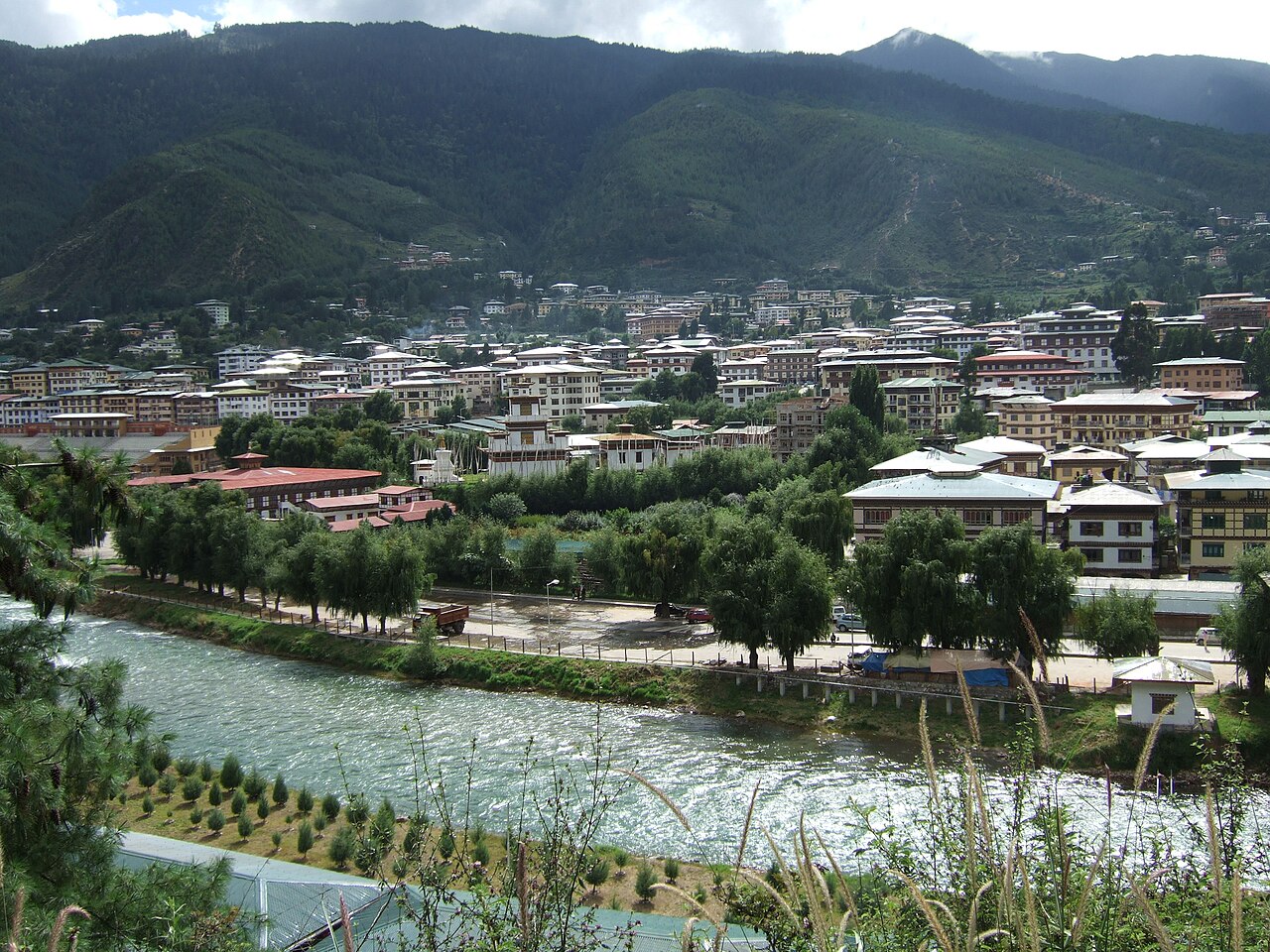
Thimphu lies in the western central highlands of Bhutan, in a temperate Himalayan valley with steep terraced slopes and the river system that feeds into larger tributaries. The city’s elevation gives it cool, distinct seasons compared with lower valleys. Its population has grown steadily since it became the political capital; in the early 21st century the city and surrounding valley housed tens of thousands of residents, including civil servants, artisans and migrants from rural areas.

History and administration
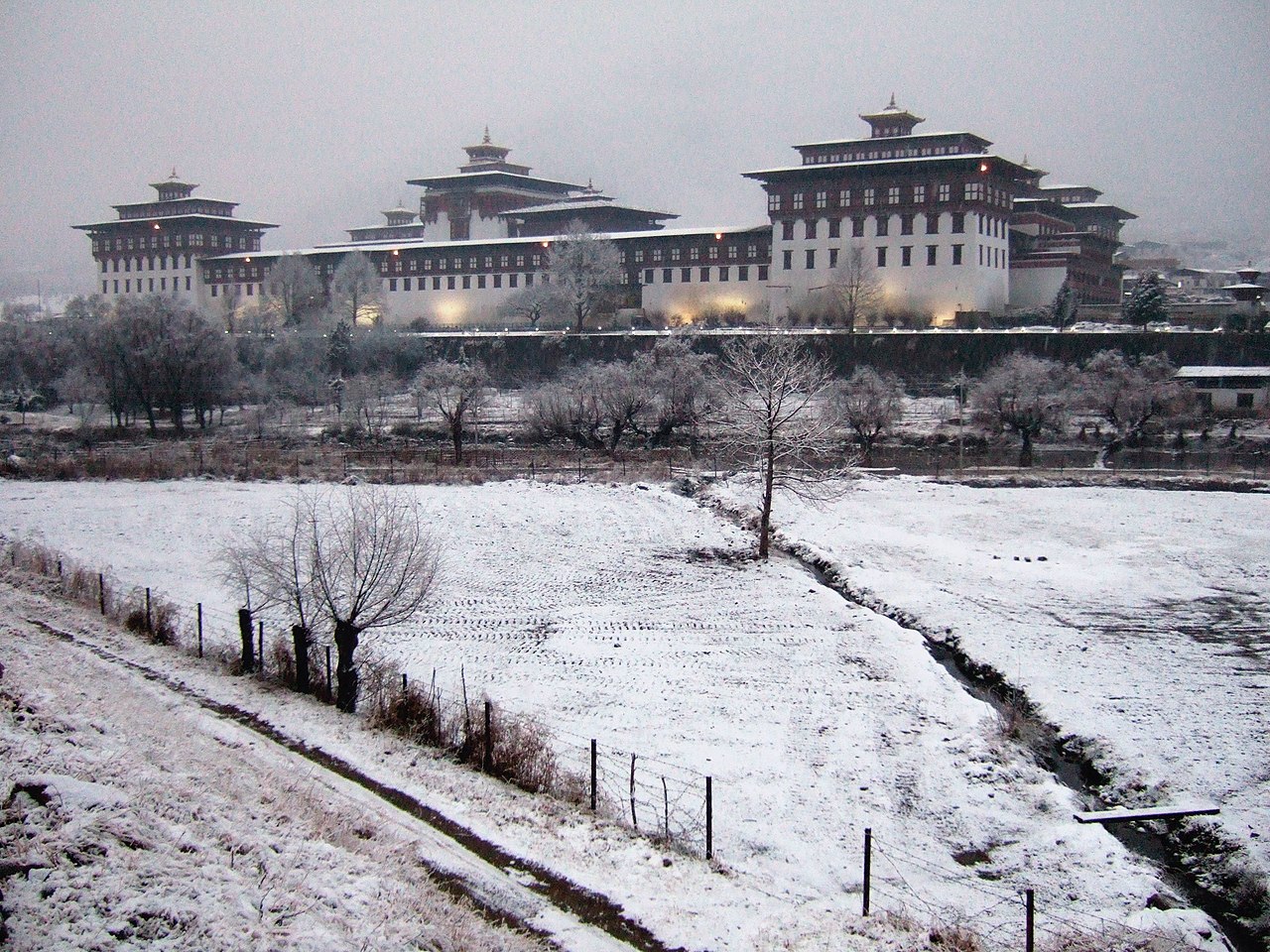
The settlement arose around religious centres and trade routes. The large fortress-monastery (dzong) that dominates the valley is both a historical landmark and an active seat of district administration and monastic bodies. Thimphu hosts national-level institutions, royal residences and government ministries, and it functions as the hub for Bhutan’s administrative and political life.

Culture, festivals and crafts
Bhutanese Buddhism shapes daily life in Thimphu. Annual tsechu festivals bring masked dances, pageantry and community ritual. Crafts remain important: traditional textile weaving, woodwork, paper-making and religious painting continue in workshops around the city. Archery is widely practised as the national sport and often forms part of public celebrations.
- Weaving and textiles preserve regional motifs and are sold at markets.
- Hand-made paper and religious painting supply monasteries and artists.
- Mask dances, communal festivals and archery contests are regular cultural features.


Economy and infrastructure
Thimphu’s economy is a mix of public administration, services, small-scale manufacturing and tourism. The city supports national museums, higher-education institutes and hospitals that serve much of western Bhutan. Urban planning has balanced infrastructure upgrades—roads, utilities and public buildings—with policies to preserve traditional architectural styles and cultural character.

Landmarks and visitor information
Key landmarks include the central dzong, national memorials, cultural museums and lively markets offering handicrafts and local produce. Wildlife such as the national animal, the takin, features in national symbolism and can be seen at conservation displays. Visitors should respect religious sites, dress modestly in temples and be aware that many important sites are active places of worship rather than museums.


Related articles
Author
AlegsaOnline.com Thimphu: capital and cultural heart of Bhutan Leandro Alegsa
URL: https://en.alegsaonline.com/art/99372