
Rupee — name, history and modern varieties of the South Asian currency
The rupee is a historical and contemporary currency name used across South Asia and beyond. This article explains its origin, spread, modern variants, and distinguishing features.
The rupee is a common name for a unit of currency in several countries, and historically for units of denomination of money in regions once connected by trade and empire. Today the word "rupee" (and related forms) identifies distinct national currencies with separate governments, central banks and designs, though they share a common linguistic and monetary heritage.
Image gallery
9 Images


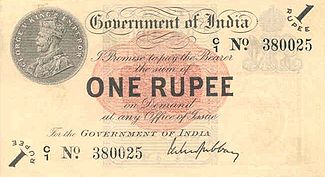
Origins and etymology
The term derives from an ancient Sanskrit root; scholars link it to Sanskrit words for a wrought metal object and to the idea of silver used as coinage. Historically, coins called rupiya or rūpya were silver pieces circulated in the Indian subcontinent and in adjacent regions. The name was adopted in local languages and later transmitted to colonial administrations and neighboring polities.
Historical spread
From the subcontinent the rupee concept spread through trade routes and imperial influence. It was the monetary unit in British India and in territories that had economic links to that administration. Variants of the rupee circulated in areas of South and East Asia as well as in parts of Africa where European powers and local authorities issued related coins. For example, regions once called East Africa saw currencies influenced by both German and British monetary systems.
Modern varieties and where they are used
Several independent currencies retain the rupee name or derived forms. Prominent examples include the Indian and Pakistani rupees; the term was also used in former territories such as East Pakistan (until 1971). Contemporary national rupees and related names include:
- India and Pakistan (distinct national currencies)
- Sri Lanka (Sri Lankan rupee)
- Nepal (Nepalese rupee)
- Mauritius (Mauritian rupee)
- Seychelles (Seychellois rupee)
Related names in other languages developed from the same root: the Indonesian rupiah and the Maldivian rufiyah (also spelled rufiyaa) are linguistic relatives rather than the same currency.
Denominations, design and functions
Each national rupee issues its own series of banknotes and coins, with differing denominations, security features and imagery reflecting national history and symbols. Although they share a name, rupees issued by different states are not interchangeable and have separate exchange rates. Central banks control issuance and monetary policy for their respective rupee currencies.
Notable distinctions and legacy
The rupee's long history connects metal coinage, colonial monetary systems and modern national currencies. Some countries that once used rupees later switched to other names or currencies, while others preserved the term as a marker of regional continuity. For further reading on currency terminology and historical coins, see related resources on monetary history and numismatics via general reference links and specialized works.
Additional context: the rupee has been both a practical medium of exchange and a cultural term that shaped monetary practice across multiple regions; its variants illustrate how a single word can evolve into distinct national monetary identities.
More on currency terminology | Denominations and coin types | India & Pakistan monetary history | Colonial-era currency | East Pakistan and Bangladesh context | Sri Lanka | Nepal | Mauritius | Seychelles | German colonial money | British colonial money | East Africa | Etymology links | Silver coinage | Rupiah | Rufiyah
Related articles
Author
AlegsaOnline.com Rupee — name, history and modern varieties of the South Asian currency Leandro Alegsa
URL: https://en.alegsaonline.com/art/84762