
Big Bend (Florida): coastal region of wetlands, wildlife, and low-lying shorelines
Informal coastal region of Florida where the Gulf coast curves eastward into the peninsula; known for marshes, estuaries, low-profile shoreline, fishing and conservation areas.
Overview
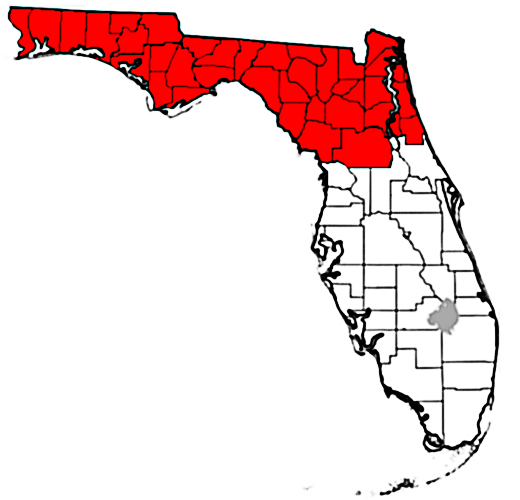
The Big Bend of Florida is an informal name for the stretch of Gulf Coast where the Florida panhandle bends south into the Florida peninsula. It has no legally defined borders; usage varies by map and context. The area is best understood as a gently curving, low-lying coastline dominated by salt marshes, estuaries and tidal flats rather than the sandy, barrier-island beaches more typical of other parts of the state. For general information see the Big Bend region and its place within Florida.
Image gallery
7 Images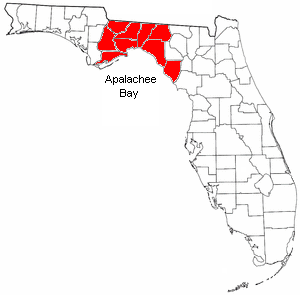



Geography and natural characteristics
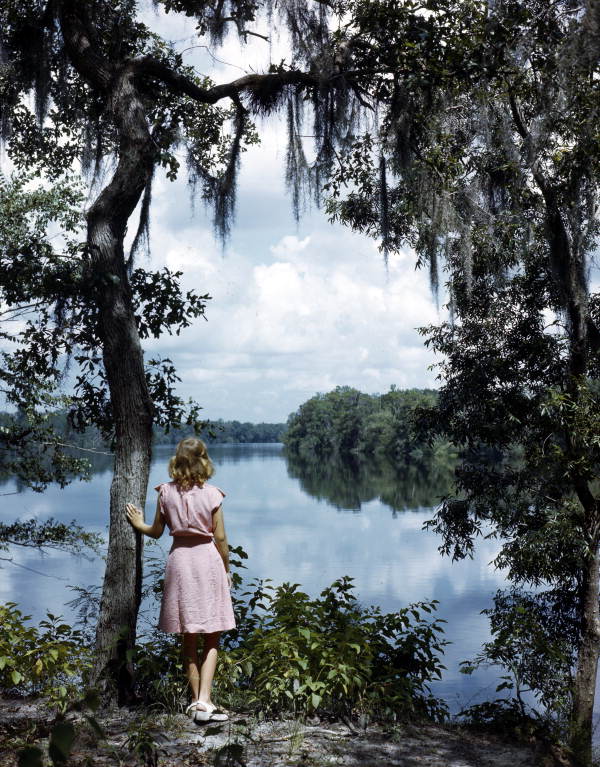
The coastline here is long and shallow, with wide expanses of emergent marsh vegetation and extensive seagrass beds offshore. Freshwater rivers and tidal creeks drain into a complex of bays and sounds. Typical ecological components include:
- Salt marshes and tidal wetlands
- Seagrass meadows and oyster reefs
- Estuarine bays and river mouths
- Patchy coastal hammocks and pine flatwoods inland
History, settlement and economy
Human presence dates back thousands of years, with Indigenous cultures followed by maritime and fishing communities after European contact. Small towns and ports developed where rivers met the Gulf; modern local economies combine fishing, aquaculture, tourism, forestry and small-scale agriculture. The coastline supports commercial and recreational fisheries that rely on bays, estuaries and productive nearshore habitats.
Conservation and recreation
Because of its extensive wetlands and relatively undeveloped shoreline, parts of the Big Bend are protected by wildlife refuges, state parks and local conservation programs. Popular activities include birdwatching, paddling, boating, sportfishing and wildlife photography. Notable protected areas and points of interest are managed to conserve waterfowl, shorebirds, manatees and sea turtles while allowing sustainable public access.
Distinguishing facts
The Big Bend is often contrasted with Florida’s barrier-island coasts: it is less built-up, has fewer beaches, and its ecological value stems from marsh and estuarine productivity. Because boundaries are informal, definitions differ among scientists, planners and residents; the term is used flexibly in maps, tourism materials and conservation literature.
Tags
Related articles
Author
AlegsaOnline.com Big Bend (Florida): coastal region of wetlands, wildlife, and low-lying shorelines Leandro Alegsa
URL: https://en.alegsaonline.com/art/11318