
Bhangra: Punjabi Folk Dance and Musical Tradition
Bhangra is a high-energy folk dance and music tradition from the Punjab, originating in harvest celebrations and later evolving into global popular, competitive and fusion forms embraced by diasporas.
Bhangra is a high-energy folk dance and musical tradition that developed in the agricultural communities of the Punjab. Performed originally to celebrate the harvest and seasonal fairs, bhangra combines vigorous footwork, springing jumps, shoulder and arm movements and driving drum rhythms to express communal joy. The practice and its music have been adapted over time for stage performance, recorded popular music and competitive teams.
Image gallery
8 Images


Origins and early context
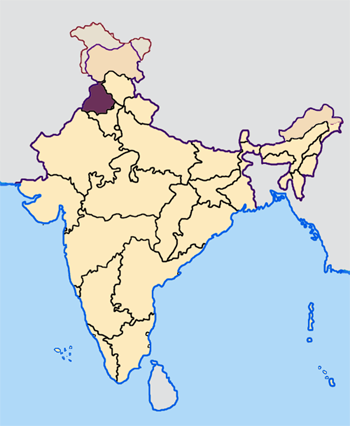
The dance developed among rural communities in the Punjab region, now divided between India and Pakistan. Its earliest contexts were agrarian celebrations and seasonal observances such as harvest festivals, when farmers and villagers gathered to give thanks and mark the cycle of planting and reaping. Historically bhangra was performed by men in open fields, often as a group display of strength and fertility, but it also drew on wider village music and social customs.
Music, instruments and rhythm
At the centre of bhangra music is the dhol, a large double-headed drum that produces the driving beats that animate the dance. Other traditional instruments include the tumbi (a small single-string plucked instrument) and the chimta (metal tongs with jingles). Melodic accompaniment may come from harmonium, reed pipes or later electronic keyboards and samples. Rhythms used in bhangra tend to be strong, repeated patterns with accents that sync with dancers’ jumps and shoulder work; contemporary recordings often layer these patterns with basslines and percussion from popular music.
Dance movements and choreography
Bhangra choreography emphasises physical exuberance: leaping, kicks, shoulder thrusts, arm circles and coordinated group formations. Teams develop synchronized sequences, call-and-response passages and solo improvisations to display individual skill. While traditional forms were closely tied to agricultural labour gestures, stage and competition bhangra has incorporated theatrical elements such as staged entrances, set formations and mixed-gender choreography.
Costume and visual elements
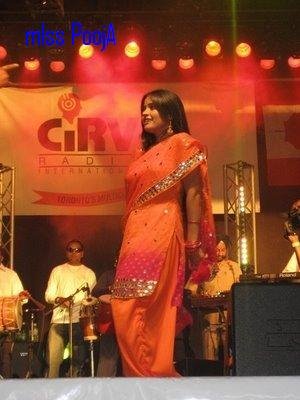
Costume plays an important role in bhangra’s visual appeal. Male performers commonly wear a colourful pag or turban tied in a distinctive showy style, a loose embroidered kurta, a sleeveless jugi (waistcoat) and a wrapped cloth such as a lungi or chadar at the waist. Small cloths called rumāl are often tied to the fingers and used as props during movement. Women’s outfits vary by region and performance type, often featuring embroidered suits, dupattas and garments adapted to allow energetic steps.
Occasions and social roles
Traditionally bhangra accompanied harvest celebrations, weddings and local fairs. It functioned as a communal activity that reinforced social ties and local identity. In urban and diasporic settings the form expanded into cultural shows, stage competitions and private celebrations, where it continues to mark major life events and public festivals.
Global spread and diaspora influence
From the late 20th century bhangra travelled with Punjabi diasporas and became especially visible in countries such as the United Kingdom and Canada. Immigrant communities adapted bhangra into recorded music, club scenes and community concerts. In these settings, bhangra frequently fused with pop, hip hop, reggae and electronic dance music, broadening its audience while creating new hybrid styles and performance practices.
Contemporary forms, fusion and media
Contemporary bhangra appears in many forms: traditional village practice, stage choreography, recorded popular music and fusion collaborations with other musical genres. It has influenced film music, popular dance fitness classes, and intercollegiate competitions at universities. Electronic production and sampling have allowed producers to rework dhol patterns and tumbi riffs into new sonic contexts without losing the music’s characteristic pulse.
Competitions, teaching and organisational structures
Bhangra teams and organisations stage local and international competitions, festivals and workshops that teach choreography, drumming techniques and costume design. These events support community networks, provide professional opportunities for performers and help transmit repertory to younger generations. Educational programmes in community centres and universities often include bhangra to preserve technique and promote cultural understanding.
Cultural significance and continuity
Bhangra remains a symbol of Punjabi identity and a living folk tradition that adapts to new instruments, media and audiences. While its popular forms have been commercialised and fused with global styles, many practitioners maintain links to rural roots, agricultural themes and the communal spirit of the dance. Preservation efforts and documentation by scholars and cultural groups aim to record older regional variants and ensure the continuity of musical techniques and choreography.
- Key instruments: dhol, tumbi, chimta and harmonium or modern keyboards
- Typical occasions: harvest festivals, weddings, stage shows and competitions
- Contemporary features: recorded bhangra, fusion genres, community teams
For further reading and community resources, many cultural organisations and local archives provide introductions, instructional material and event listings that document bhangra’s regional varieties and contemporary practice. Readers may consult community centres and cultural festivals in the Punjabi diaspora for live performances and workshops.
Questions and answers
Q: Where did Bhangra originate?
A: Bhangra originated in the Punjab region, now divided between India and Pakistan.
Q: Who originally conducted Bhangra?
A: The dance was conducted by Punjabi farmers of all creeds, Sikhs, Muslims and Hindus, to celebrate the coming of the harvest season.
Q: When did Bhangra become popular in Britain?
A: Bhangra became popular in Britain in the 1980s.
Q: How many cassettes were Bhangra artists selling in the UK at its peak?
A: Bhangra artists were selling over 30,000 cassettes a week in the UK.
Q: Did any Bhangra artists make it into the UK Top 40 Chart during the 1980s?
A: No, not one of the artists made their way into the Top 40 UK Chart.
Q: Is Bhangra popular in Canada?
A: Yes, Bhangra is popular in Canada.
Q: Who is one of the best-selling Punjabi folk artists in the world?
A: Singer Jazzy B sold over 55,000 copies of his third album, Folk and Funky, and became one of the best-selling Punjabi folk artists in the world.
Related articles
Author
AlegsaOnline.com Bhangra: Punjabi Folk Dance and Musical Tradition Leandro Alegsa
URL: https://en.alegsaonline.com/art/11173