
Bharata Natyam: Classical Indian Dance of Expression and Technique
Bharata Natyam is a South Indian classical dance from Tamil Nadu, known for precise footwork, expressive gestures (abhinaya), temple origins, structured repertoire set to Carnatic music and long training under a guru.
Overview
Bharata Natyam is a major classical dance tradition of South India that developed in the region of present-day Tamil Nadu. It combines rhythm, geometry of body postures and a refined system of facial and hand gestures to present narrative, devotional and emotional material. Historically associated with temple rituals and later adapted for the public stage, Bharata Natyam is practiced by artists of all genders and taught worldwide.
Image gallery
10 Images

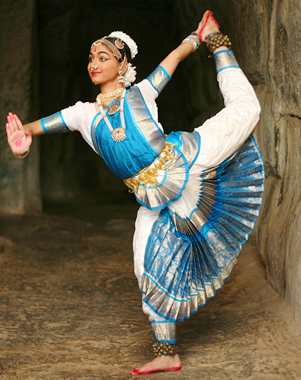

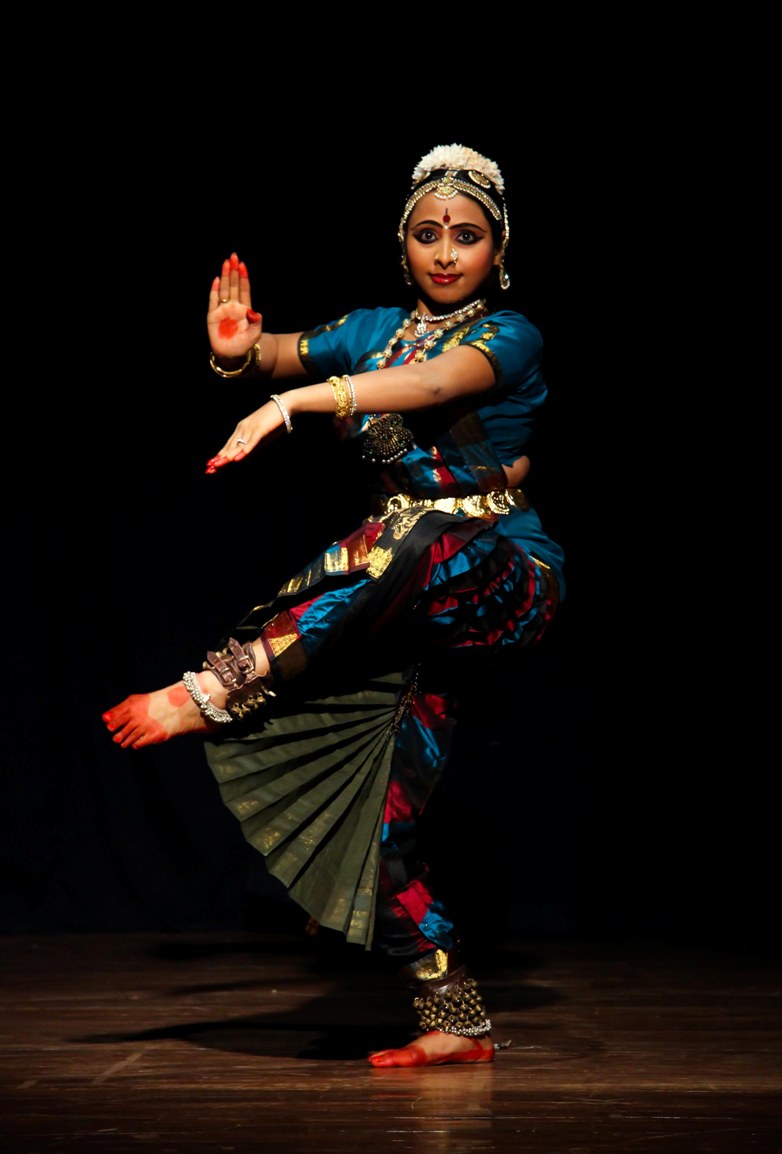

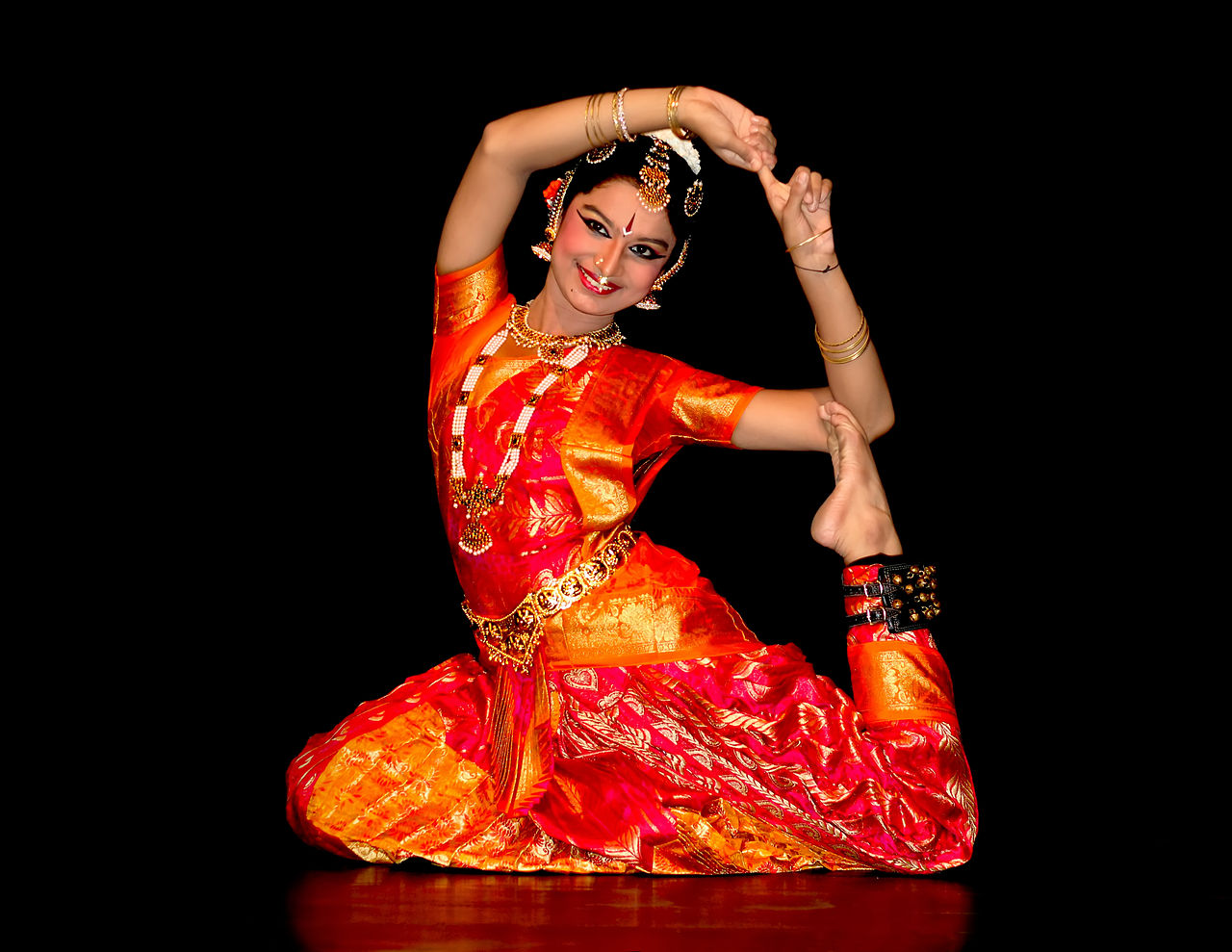


Characteristics and technique
The technique emphasizes a stable upper body, a bent-knee stance called araimandi (half-seated posture) and brisk, precise footwork aligned with tala (rhythmic cycles). A codified vocabulary of adavus (basic step patterns), hastas or mudras (hand gestures), and controlled eye and facial movements enables both abstract dance (nritta) and expressive storytelling (nritya and natya). Abhinaya, the art of expression, allows a dancer to portray emotions, characters and narrative nuances.
Repertoire and stage structure
- Alarippu: an opening invocatory item and technical warm-up.
- Jatis and adavus: rhythmic sequences emphasizing timing and coordination.
- Varnam: a substantial centerpiece that balances technical virtuosity with extended abhinaya.
- Padams and javalis: shorter items that explore romantic or devotional sentiment.
- Tillana: an energetic concluding piece showcasing speed, rhythm and footwork.
Music, costume and accompaniment
Performances are rooted in the Carnatic music tradition and organized by tala and raga. Costuming typically includes a stitched sari or sari-like costume with a pleated fan, ankle bells (ghungroo) to mark footwork, and jewelry and makeup that amplify facial expressions for the audience. A live ensemble commonly features a vocalist, mridangam (double-headed drum), violin and a conductor or nattuvanar who recites rhythmic syllables and coordinates the choreography; other melodic instruments such as flute or sruti-providing instruments may also participate.
History and revival
The form draws on classical Sanskrit treatises on dance and drama for its theoretical basis while evolving within regional temple cultures. Historically linked to temple dancers and hereditary performer communities, Bharata Natyam underwent social changes during the colonial period and a 20th-century revival that repositioned it as a concert art. Teachers and practitioners reformed repertoire, pedagogy and presentation to suit modern stages and audiences.
Training, presentation and cultural significance
Training traditionally follows a guru-shishya (teacher-disciple) model and often spans many years, with a debut public performance (arangetram) marking a milestone. The dance continues to function as a means of religious offering, classical storytelling and artistic innovation. Contemporary choreographers expand the vocabulary to address new themes while remaining rooted in established technique, making Bharata Natyam both a conserved classical form and a living, evolving art practiced internationally.
Related articles
Author
AlegsaOnline.com Bharata Natyam: Classical Indian Dance of Expression and Technique Leandro Alegsa
URL: https://en.alegsaonline.com/art/11179
Sources
- simple.wiktionary.org : expression
- simple.wiktionary.org : rhythm
- indianmirror.com : "Bharatanatyam"
- onlinebharatanatyam.com : Bharatanatyam History | Online Bharatanatyam
- harvardartmuseums.org : "Stories from the Ramayana: The Epic Tradition,"
- books.google.com : Roles And Rituals For Hindu Women
- hindu.com : The Hindu : International / India & World: Bharatnatyam gaining popularity in China
- britannica.com : bharata-natya - Britannica Online Encyclopedia
- museumoflondon.org.uk : "Colour Contacts, The Dance Form"