
Bird's-eye view
A bird's-eye view is an elevated visual perspective from above used in maps, art, photography, and planning to show layout, relationships and context from a high vantage point.
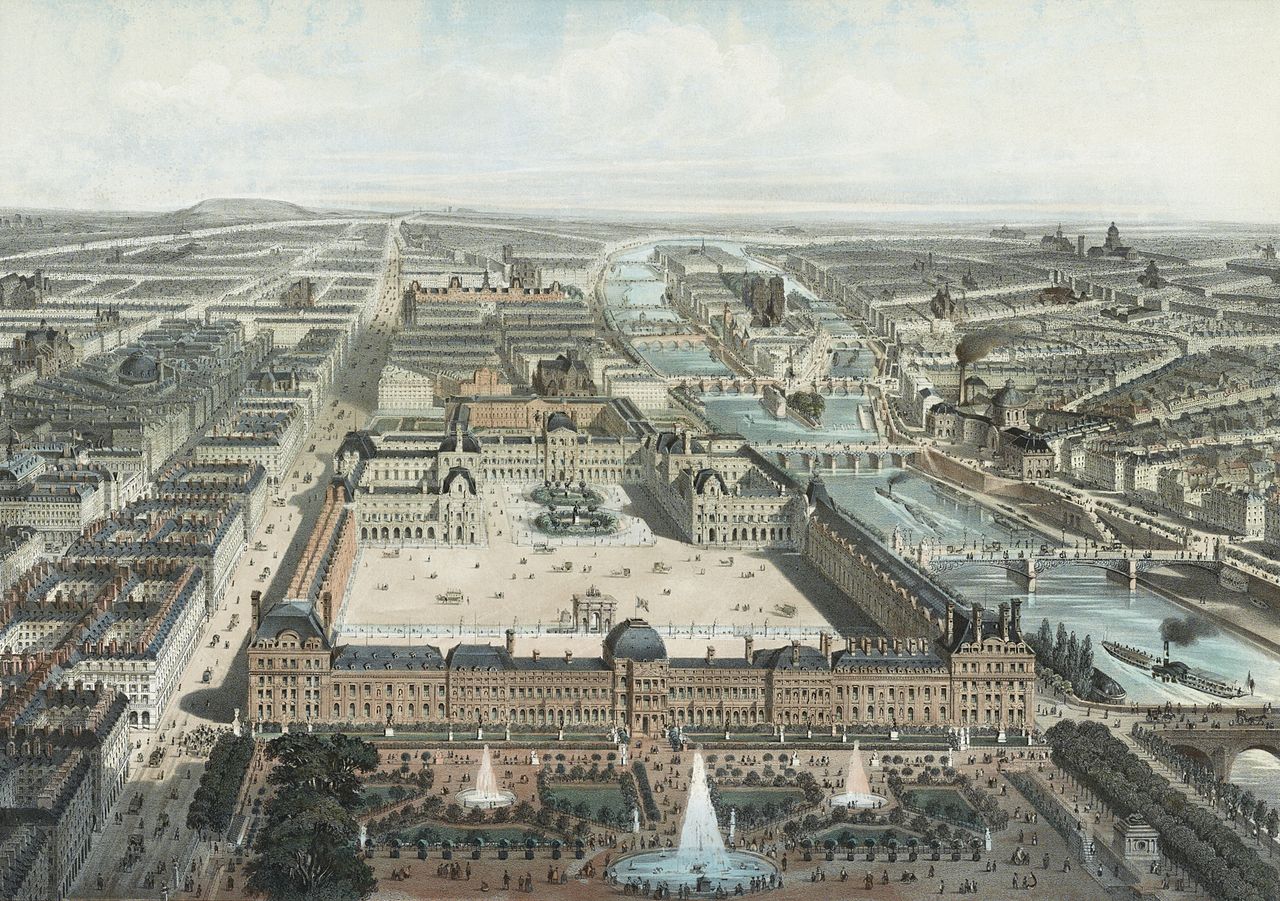
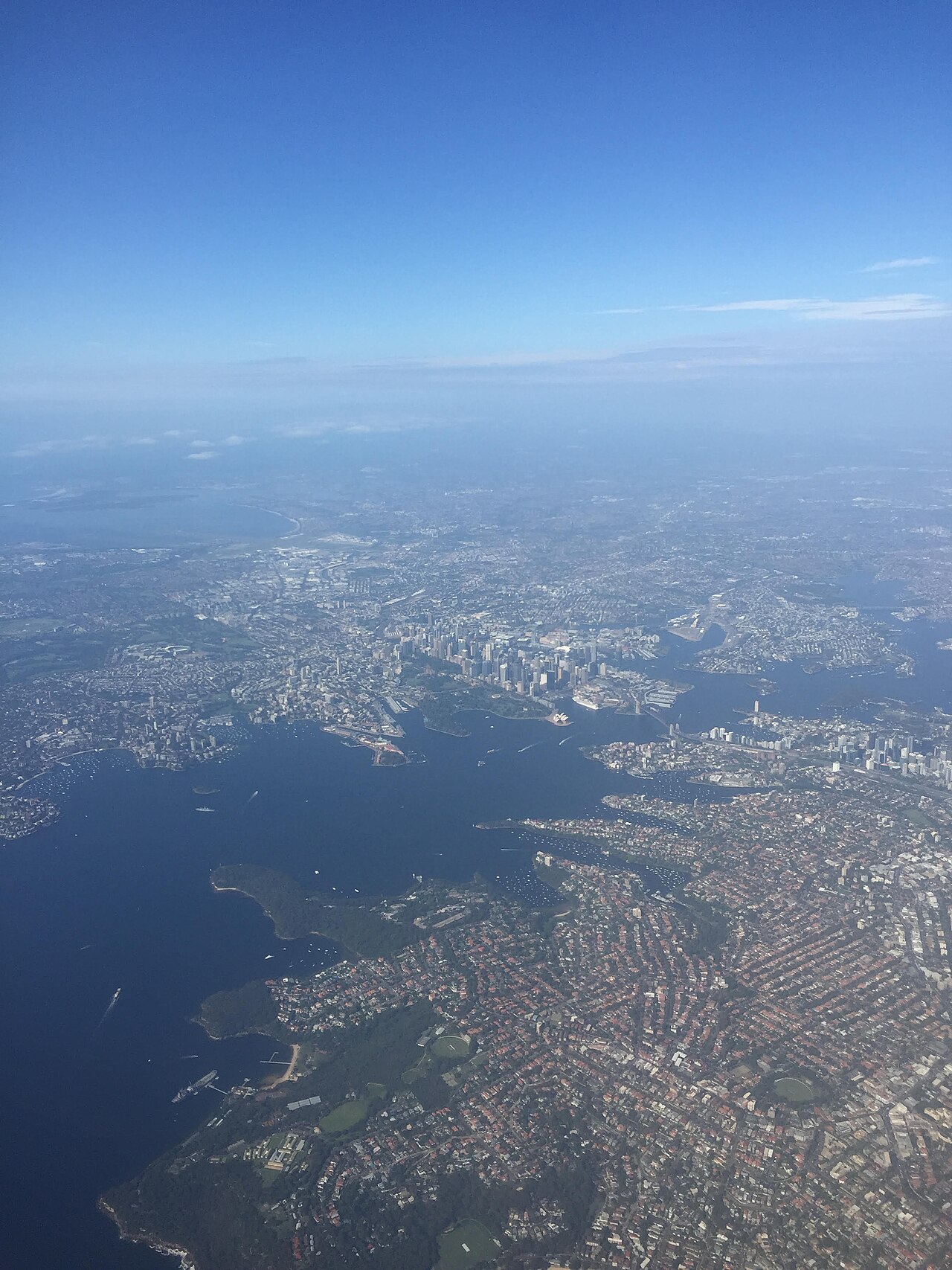
A bird's-eye view describes a vantage point looking down on a scene from above. The phrase evokes the way birds see the world while flying: broad, elevated, and often revealing patterns or relationships that are hard to perceive at ground level. In visual media it is a specific type of view that emphasizes plan and extent rather than close-up detail.
Image gallery
10 Images




Characteristics
Typical features of a bird's-eye view include a steep downward angle, a wide field of vision, and reduced emphasis on vertical relief. Objects may appear foreshortened and spatial relationships become clearer. The viewpoint can be orthogonal (directly overhead) or oblique (angled but still elevated), and it may be used with different scales from an entire city to a single building.
History and development
Artists, cartographers and architects have used elevated perspectives for centuries to represent towns, battlefields and landscapes. Early mapmakers combined measurement with artistic rendering to give viewers a comprehensive sense of place. The term draws on the literal perspective of a bird in flight and is related to historical techniques for panoramic drawing and later aerial photography and remote sensing.
Common uses and examples
Bird's-eye views are widely applied across disciplines:
- Cartography and urban planning, where maps and diagrams show street patterns and land use.
- Architecture and real-estate illustrations that present site plans and neighborhood context.
- Photography and film, including aerial shots that set scene or show scale.
- Video games and user interfaces that use an elevated perspective for navigation.
Distinctions and related terms
Bird's-eye view overlaps with terms such as plan view, top-down view and aerial view but differs in tone and angle: a strict plan view is orthogonal and technical, while a bird's-eye view may be angled and more descriptive. The phrase also appears metaphorically when describing a high-level summary or overview of information. For a more literal sense of a flying vantage, some writers refer to a bird's perspective.
When creating a bird's-eye image, practitioners consider scale, perspective, and the level of detail needed to communicate relationships. Whether drawn, photographed, or rendered, this viewpoint remains a powerful tool for revealing how parts relate to a whole.
Tags
Related articles
Author
AlegsaOnline.com Bird's-eye view Leandro Alegsa
URL: https://en.alegsaonline.com/art/11715