
Audio cassette (Compact Cassette)
Small magnetic tape cartridge for recording and playback of sound; widely used from the 1960s through the 1990s for music, dictation and data storage before digital formats predominated.
Overview
An audio cassette, commonly called the Compact Cassette, is a self-contained magnetic tape cartridge designed to record and reproduce sound. The cassette contains two spools of thin magnetic tape wound inside a protective plastic shell and is intended for use with a cassette player or recorder. Most cassettes provide two playable sides, traditionally referred to as the A-side and B-side, allowing users to flip the cassette or let a player automatically reverse the tape to continue playback.
Image gallery
10 Images




Design and components
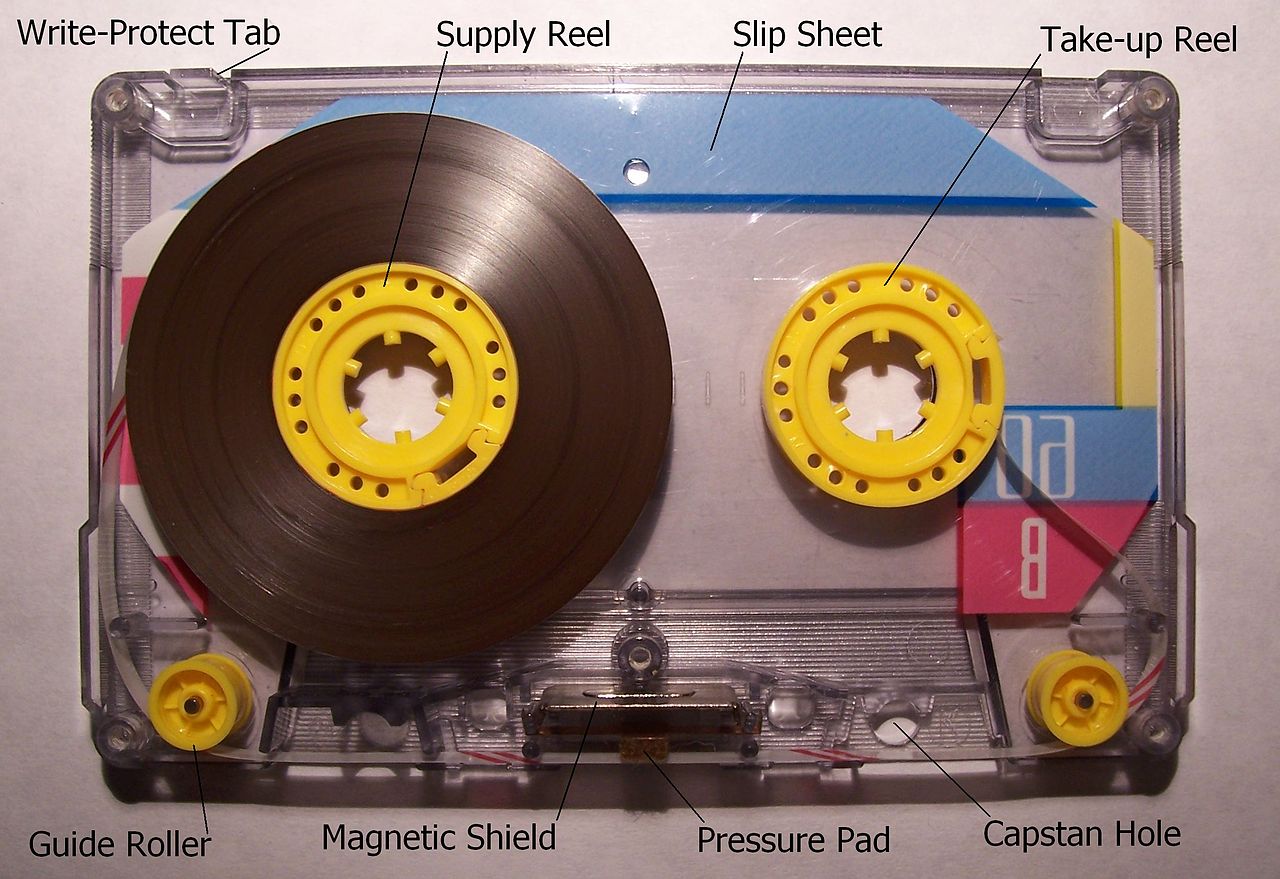
The Compact Cassette is compact and portable, with a standard rectangular housing that contains the tape and two reels. Key physical features include a pair of openings where the player engages erase/record and playback heads, a set of tape guides and pressure pad to keep the tape aligned, and a removable record-protect tab that prevents accidental erasure. Typical elements and mechanisms are:
- Magnetic tape: a long, thin polyester film coated with magnetic particles which encode audio signals.
- Reels: two spindles that hold and advance the tape past the playback/recording head.
- Shell: the plastic enclosure that protects the tape and provides indexing and access points.
- Record-protect tab: a breakable plastic tab that disables recording when removed.
Technical characteristics
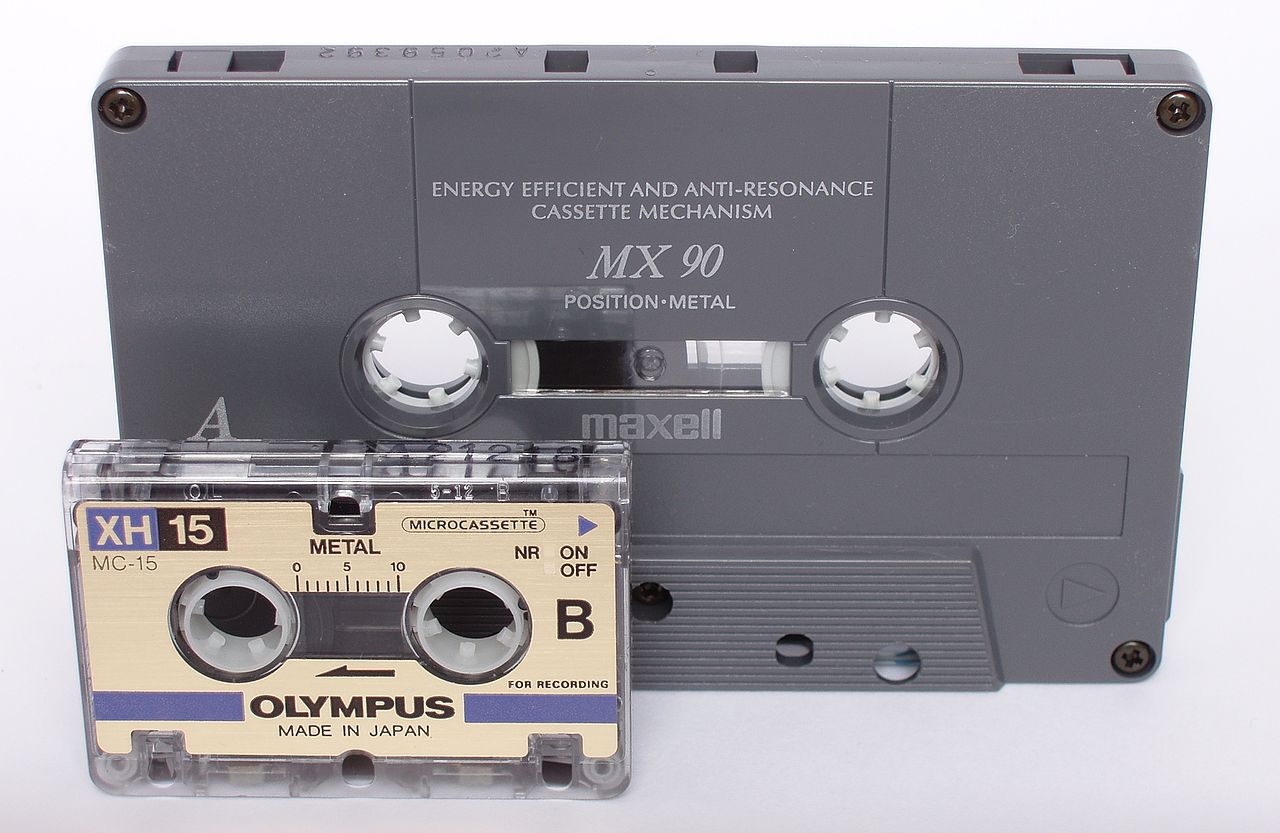
Cassette audio quality depends on tape formulation, tape speed, head quality and noise-reduction systems. Manufacturers offered different tape types (often described as Type I, II, IV, etc.) with varied magnetic coatings to improve frequency response and reduce noise. Common consumer features included auto-reverse playback, Dolby noise reduction to lessen tape hiss, and mechanical or electronic counters to help locate tracks. Standard cassette lengths were marketed in minute totals (for example, 60 or 90 minutes total), with longer lengths requiring thinner tape that can be more fragile; tapes longer than 60 minutes (30 minutes per side), and especially 90 minutes (45 minutes per side), are more susceptible to stretching, breaking, or jamming.
History and development
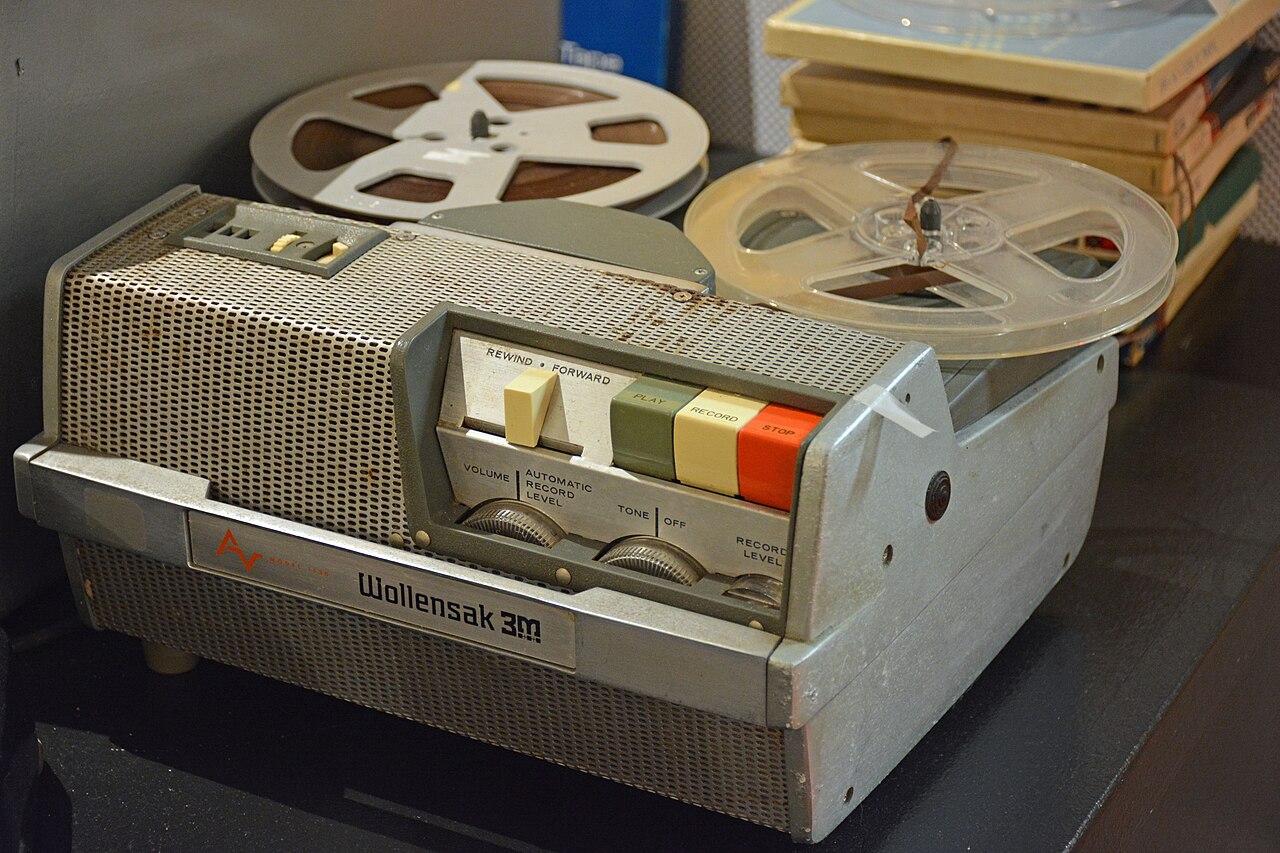
The Compact Cassette format was introduced in the early 1960s and gained rapid popularity because it was small, inexpensive and convenient compared with larger reel-to-reel systems. Over the following decades the format became dominant for prerecorded music, home recordings, portable players and car audio. Improvements in tape chemistry, heads and noise reduction raised sound quality significantly. By the late 20th century, however, optical discs and then digital file formats began to displace cassettes for mainstream music distribution, though cassettes have persisted in niche and retro contexts.
Uses, cultural impact and legacy
Audio cassettes were used widely for music albums, mixtapes, radio recording, voice dictation and even some computer data storage in early personal computers. The ease of dubbing and creating personal compilations made the cassette a powerful vehicle for sharing music and ideas. In music culture the mixtape became an important medium for informal album-style sequencing and for underground distribution. Today the cassette retains a presence among collectors, hobbyists and artists who appreciate its tactile nature and distinct sonic character.
Notable distinctions and facts
- The format is a consumer-oriented evolution of magnetic tape recording that emphasized compactness and simplicity.
- Typical consumer players are called cassette decks; portable players were sometimes called Walkman-style players.
- Despite limitations such as tape hiss, wow and flutter, and physical wear, cassettes offered portability and recordability that vinyl could not match in many everyday situations.
For more on playback devices and magnetic recording technology see related resources: cassette players and decks, magnetic tape basics, and the historical concept of A-side and B-side sequencing.
Related articles
Author
AlegsaOnline.com Audio cassette (Compact Cassette) Leandro Alegsa
URL: https://en.alegsaonline.com/art/7242
Sources
- speakstick.net : "How Music Technology Evolved Over the Years?"
- huffingtonpost.com : "Oxford Dictionary Removes 'Cassette Tape,' Gets Sound Lashing From Audiophiles"