
Black and White (monochrome imagery): history, characteristics and uses
Overview of black-and-white imagery: tonal principles, historical development in photography, film and television, technical characteristics, artistic uses and distinctions from other monochrome methods.
Black and white, also called B/W or monochrome, describes images composed only of black, white and intermediate gray tones. Rather than an absence of information, black-and-white rendering emphasizes luminance, contrast, texture and form. It can be produced by traditional silver-based photographic processes, by printing techniques such as halftone and lithography, or by digital capture and conversion that maps color data to a continuous grayscale tonal range. Many practitioners value black and white for its capacity to simplify scenes and draw attention to composition, light and surface detail.
Image gallery
5 Images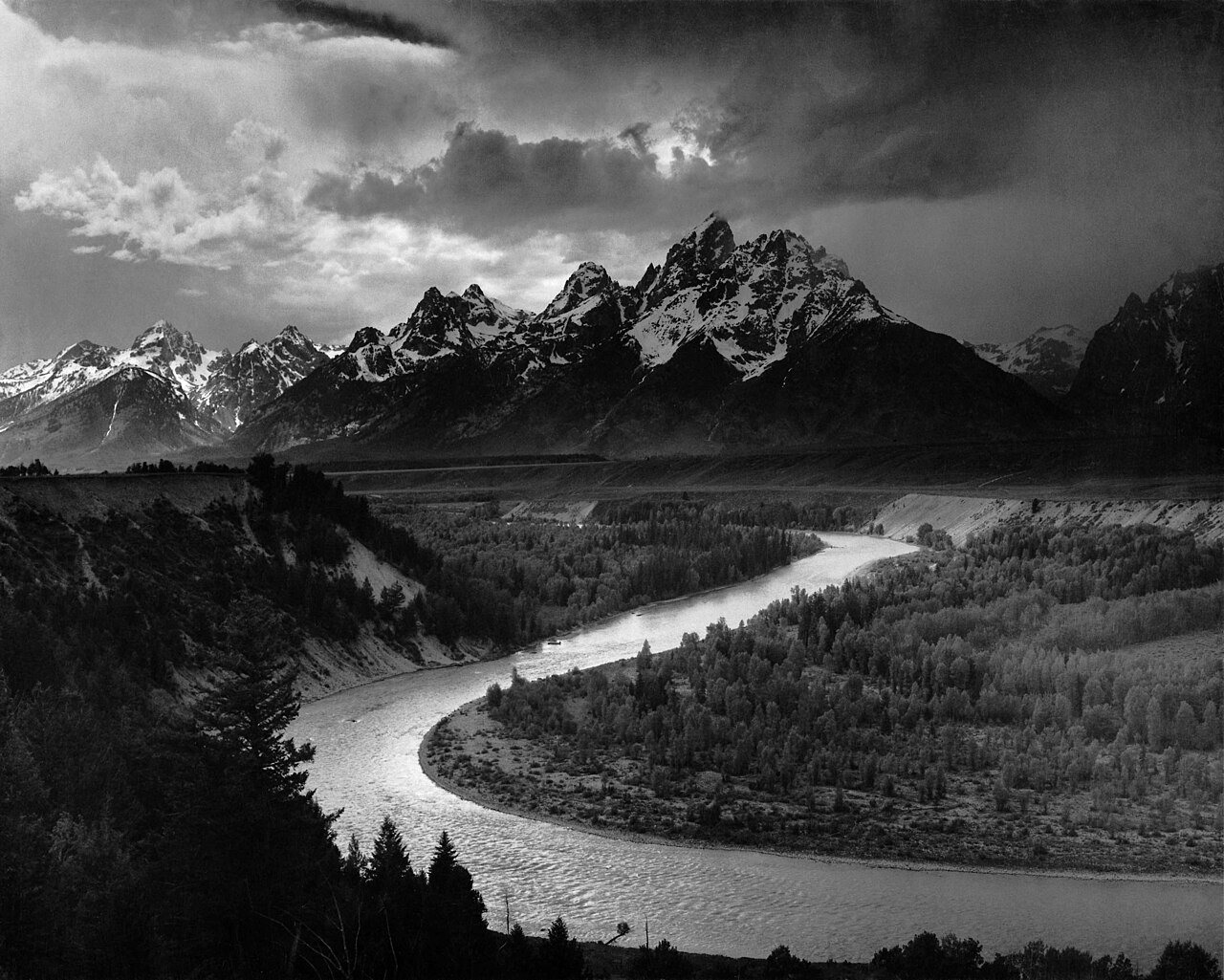


Characteristics and technical aspects
Key technical qualities of black-and-white imagery include dynamic range (the span between deep shadows and bright highlights), tonal gradation (smoothness and spacing of midtones), contrast (difference between light and dark areas) and grain or noise (texture produced by film emulsion or sensor processing). Exposure, development and printing choices in analogue workflows strongly affect these qualities; digital workflows replicate or reinterpret them with contrast curves, channel weighting, and simulated grain. In print, halftone patterns reproduce continuous tones by varying dot size and spacing, while digital displays render luminance values directly.
History and development
Monochrome techniques predate practical color methods. Early photographic processes of the 19th century, including daguerreotypes and later silver-gelatin prints, established the visual vocabulary of black and white. Motion pictures were commonly produced in black and white until reliable color film processes became widespread in the mid-20th century; even after color was available, filmmakers sometimes chose monochrome for aesthetic, economic or narrative reasons. The earliest television broadcasts were transmitted and received in black and white on monochrome sets; for context see early television. Innovations toward color transmission began in the late 1920s, and pioneers such as John Logie Baird demonstrated early color systems while monochrome remained the practical standard for many years.
Uses, genres and artistic rationale
- Documentary and photojournalism: to emphasize form and narrative without the distraction of color.
- Fine art photography: to explore abstraction, geometry, texture and tonal relationships.
- Cinema: genres such as film noir or period pieces use black and white for mood, contrast and historical authenticity.
- Scientific and technical imaging: where luminance data is primary, for example many forms of radiography, microscopy and certain remote sensing bands.
Distinctions and contemporary practice
Monochrome images differ from simple desaturated color photographs in process and intent: duotone and sepia toning introduce controlled color biases, whereas true grayscale contains no chromatic information and represents only luminance. Contemporary photographers and filmmakers use digital tools to emulate historic film stocks, apply the Zone System principles for tonal placement, add grain, or selectively treat tones to achieve looks associated with particular eras. Black and white remains a deliberate choice in modern media for its clarity, emotional weight and capacity to reveal structure and light independent of hue.
Related articles
Author
AlegsaOnline.com Black and White (monochrome imagery): history, characteristics and uses Leandro Alegsa
URL: https://en.alegsaonline.com/art/11886