
Yangtze River (Chang Jiang): Geography, history, ecology and importance
The Yangtze (Chang Jiang) is Asia’s longest river, flowing from the Tibetan Plateau to the East China Sea. This article covers its course, history, ecology, major works like the Three Gorges Dam, and its economic role.
Overview
The Yangtze River, commonly called the Chang Jiang or Yangzi, is the longest river in China and the longest in Asia. It ranks among the world’s longest rivers after the Amazon and the Nile. The Yangtze basin has been central to Chinese history and development for millennia, forming one of the civilization’s main geographic and cultural cores alongside the Yellow River. Modern measurements place the river’s length at roughly 6,300 kilometres, though historical figures and descriptions sometimes differ; for a concise regional reference see longest river studies.
Image gallery
10 Images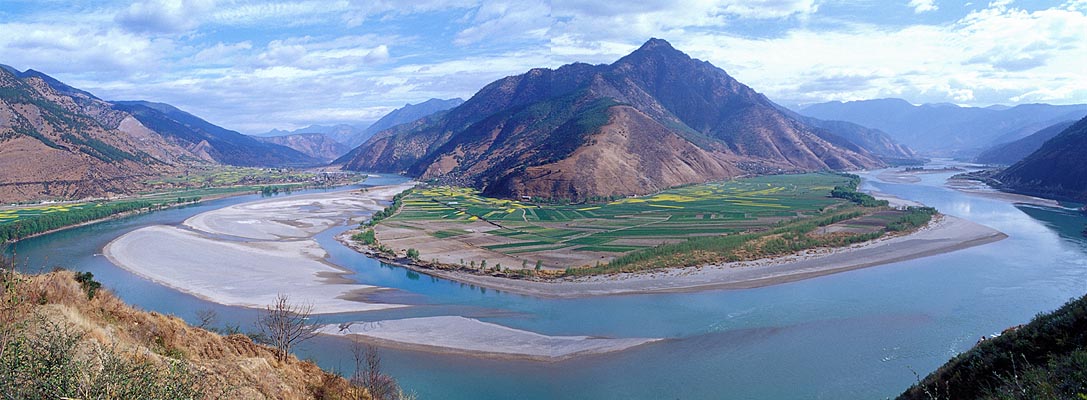

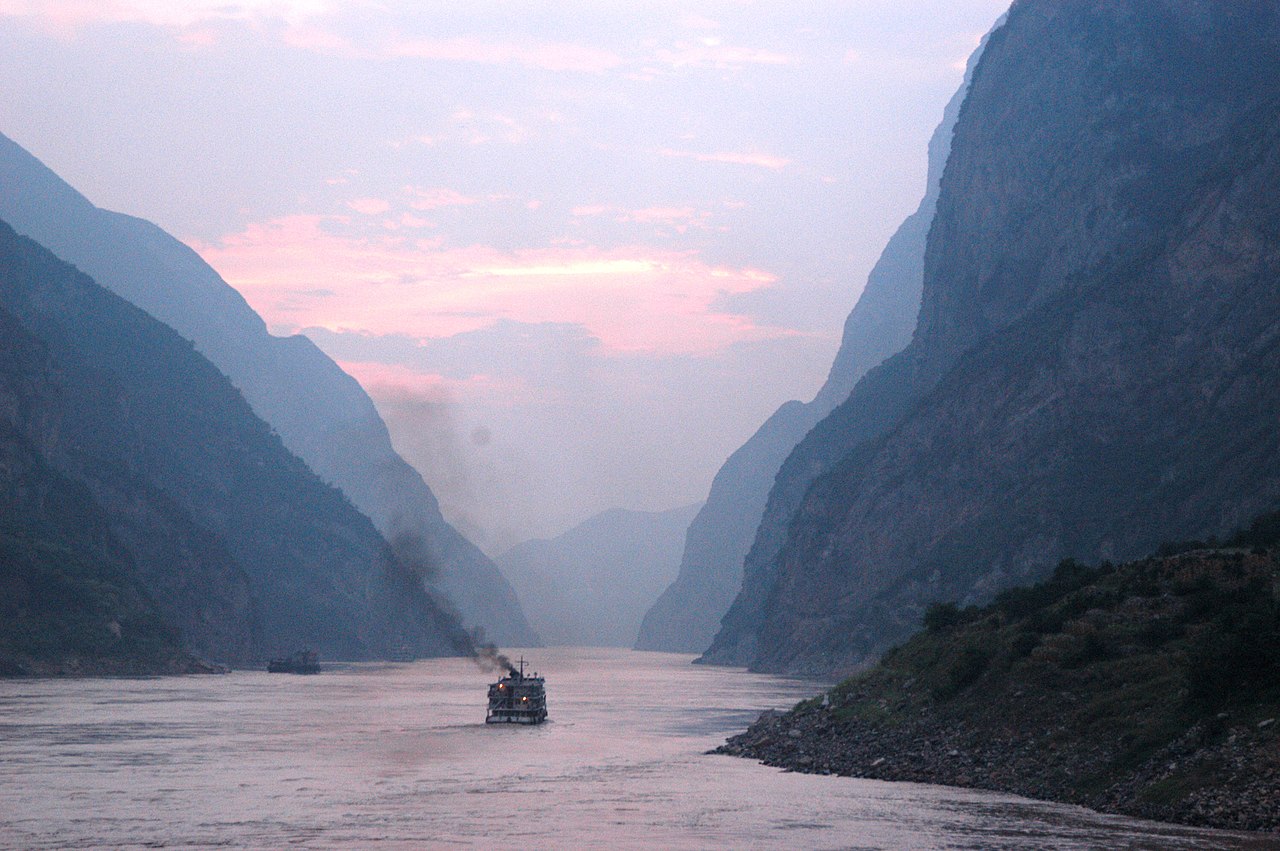


Course and physical characteristics
The river rises on the Tibetan Plateau and traverses a wide range of landscapes before emptying into the East China Sea near the mouth of the Yangtze, which is part of the larger Pacific Ocean. Its watershed drains an area that supports a large portion of China’s population and a variety of climates, from alpine headwaters to subtropical lowlands. Along its course the Yangtze passes major urban centres and varied topography: steep gorges and rapids in upper reaches, broad plains and lakes in the middle stream, and wide tidal estuaries downstream. Measurements of distance and navigability vary by stretch and season; some sources reference older figures such as different length estimates.
History and cultural significance
Human settlement and agriculture developed along the Yangtze for thousands of years. Its fertile floodplains enabled sustained rice cultivation and supported dense populations. The river has served as a natural boundary between northern and southern China in cultural and climatic terms, influencing dialects, cuisines, and historical political centers. Riverside cities such as Chongqing, Wuhan and Nanjing became important administrative and commercial hubs. The Yangtze also appears in Chinese literature, art and religious practice, symbolizing both life-giving fertility and the threat of floods.
Uses, infrastructure and tourism
The Yangtze is one of the busiest inland waterways in the world, carrying freight, passengers and supporting fisheries and irrigation. Large engineering works on the river illustrate modern uses and controversies. The best-known project is the Three Gorges Dam, a multipurpose installation for hydroelectric power, navigation improvement and flood control; it is often referred to simply as the dam. The reservoir created by the Three Gorges project extends for hundreds of kilometres upstream and required extensive resettlement and landscape change. Tourism is also important: river cruises highlight scenic stretches such as the Three Gorges and local cultural sites, and cities along the river draw visitors for history and cuisine. Popular stops include Chongqing’s historic districts and regional attractions referenced in guidebooks such as those for Chongqing.
Ecology and conservation
The Yangtze basin supports a distinctive set of freshwater ecosystems and many endemic species. Over the 20th and 21st centuries industrialization, overfishing, pollution and habitat change have placed severe pressure on aquatic life. Notable examples include the Yangtze finless porpoise, a river cetacean now considered endangered and the subject of conservation efforts; scientific summaries and recovery programs discuss the species at length (finless porpoise). Another species once native to the river, the baiji or Chinese river dolphin, suffered catastrophic population decline and is generally regarded as functionally extinct in the wild. Conservation responses combine protected areas, pollution controls and species-specific programs, but long-term recovery remains challenging.
Key cities, navigation and notable facts
- Major cities on the river include Chongqing, Wuhan, Nanjing and the Shanghai estuary; these urban centres are linked by extensive river transport and rail links.
- Navigation varies by section: large ships can reach far inland after modern locks and channel work, while upper gorges require specialized vessels.
- The river’s role in commerce, energy and culture makes it central to regional planning initiatives and environmental debates; detailed policy and project information is available through specialized resources and regional studies (further reading).
The Yangtze remains a living feature of China’s geography: a transport corridor, a source of power and irrigation, a habitat under stress, and a cultural icon. Understanding its physical course, human uses, and conservation needs helps frame broader discussions about sustainable development along one of the world’s major river systems.
Related articles
Author
AlegsaOnline.com Yangtze River (Chang Jiang): Geography, history, ecology and importance Leandro Alegsa
URL: https://en.alegsaonline.com/art/109612
Sources
- yangtzeriver.org : Three Gorges Dam on Yangtze River: Facts, Site, Layout, Records
- newscientist.com : Yangtze River pollution at dangerous levels | New Scientist