
Yarra River (Birrarung): course, history, ecology and uses
The Yarra River (Birrarung) is a 242 km perennial river in east-central Victoria, Australia, flowing from the Yarra Ranges through the Yarra Valley and Melbourne to Port Phillip. Cultural, environmental and urban roles examined.
Overview
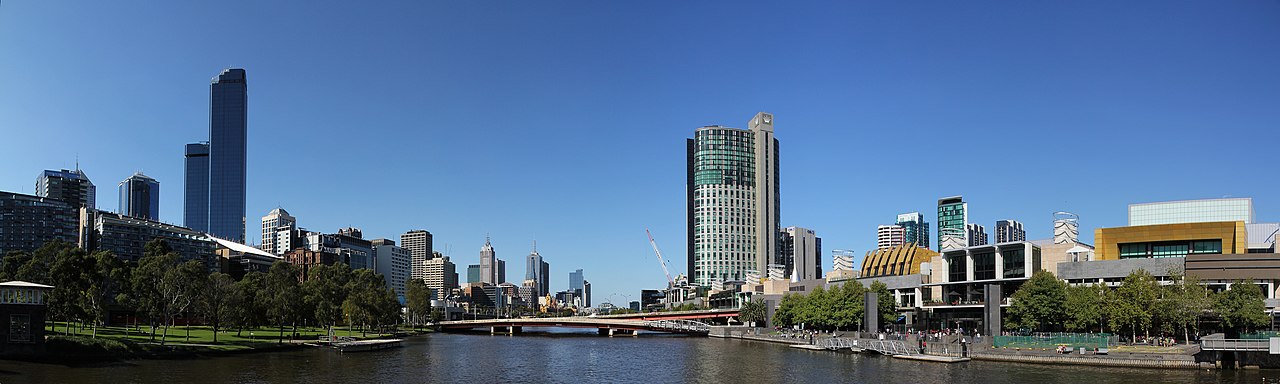
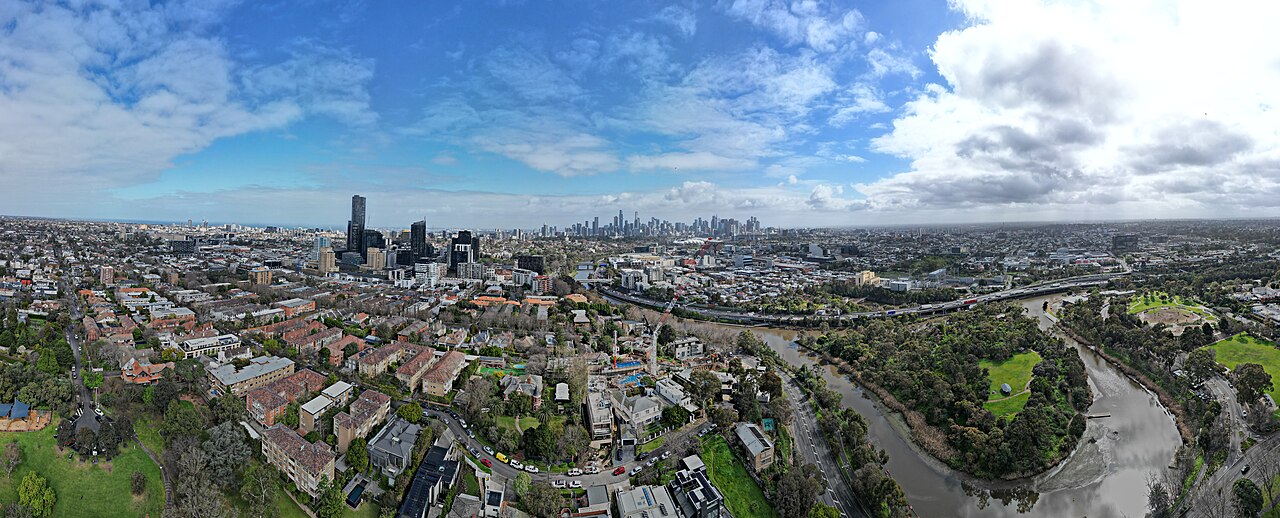
The Yarra River is a perennial watercourse running roughly 242 kilometres (about 150 miles) from the forested Yarra Ranges in central-eastern Victoria to its outlet at Hobsons Bay in northern Port Phillip. The river drains a varied landscape, beginning in upland catchments and passing through the agricultural Yarra Valley before entering the urban corridor of Greater Melbourne, where it widens into a tidal lower reach. The Yarra is often identified with Melbourne’s waterfront and identity, and its physical course and management have played a central role in the region’s development. Perennial river, Victoria, Australia.
Image gallery
10 Images




Names and Indigenous significance
The waterway is known by several Indigenous names, most commonly Birrarung to the Wurundjeri people. Other recorded forms include Berrern, Birr-arrung and Bay-ray-rung. These names reflect the river’s central role as a source of food, water and meeting places for First Nations communities long before European settlement. Early colonial records also preserved the name "Yarra" after an encounter in which a local word was misinterpreted; that misreading is frequently cited in accounts of the river’s renamed identity. The Yarra’s cultural and spiritual significance to local Indigenous nations continues to inform contemporary recognition and land- and water-management practices. Indigenous Australians.
Physical characteristics and environment
From narrow forested upper reaches the Yarra collects tributaries and emerges into broader floodplains and wetlands. The river’s catchment includes steep, forested tributary valleys and more open, fertile plains used for horticulture and grazing in the Yarra Valley. Downstream, the channel becomes increasingly altered by embankments, bridges and engineered outlets to Port Phillip. Reservoirs and weirs in the upper catchment regulate flow for water supply and flood mitigation while altering natural seasonal patterns. The region’s landscape has been reshaped by both deliberate engineering and the slow accretion of sediments in the tidal section. Landscape, Upper Yarra Reservoir.
History: settlement, modification and industry
European settlement from the 1830s transformed the river corridor. Early colonists used its plains for agriculture and the river itself for transport and industrial activity. Over time the channel was straightened in places, wetlands were drained, and substrate was reclaimed to support shipping, rail and urban expansion. Industrialisation concentrated along lower reaches, leading to contamination of sediments and loss of marsh habitats, most notably around the confluence of the Yarra and Maribyrnong rivers near Coode Island. Throughout the twentieth century, flood control works, port development and urbanisation fundamentally altered the river’s ecology and appearance. Industrialisation, Destruction, Melbourne.
Uses, recreation and contemporary management
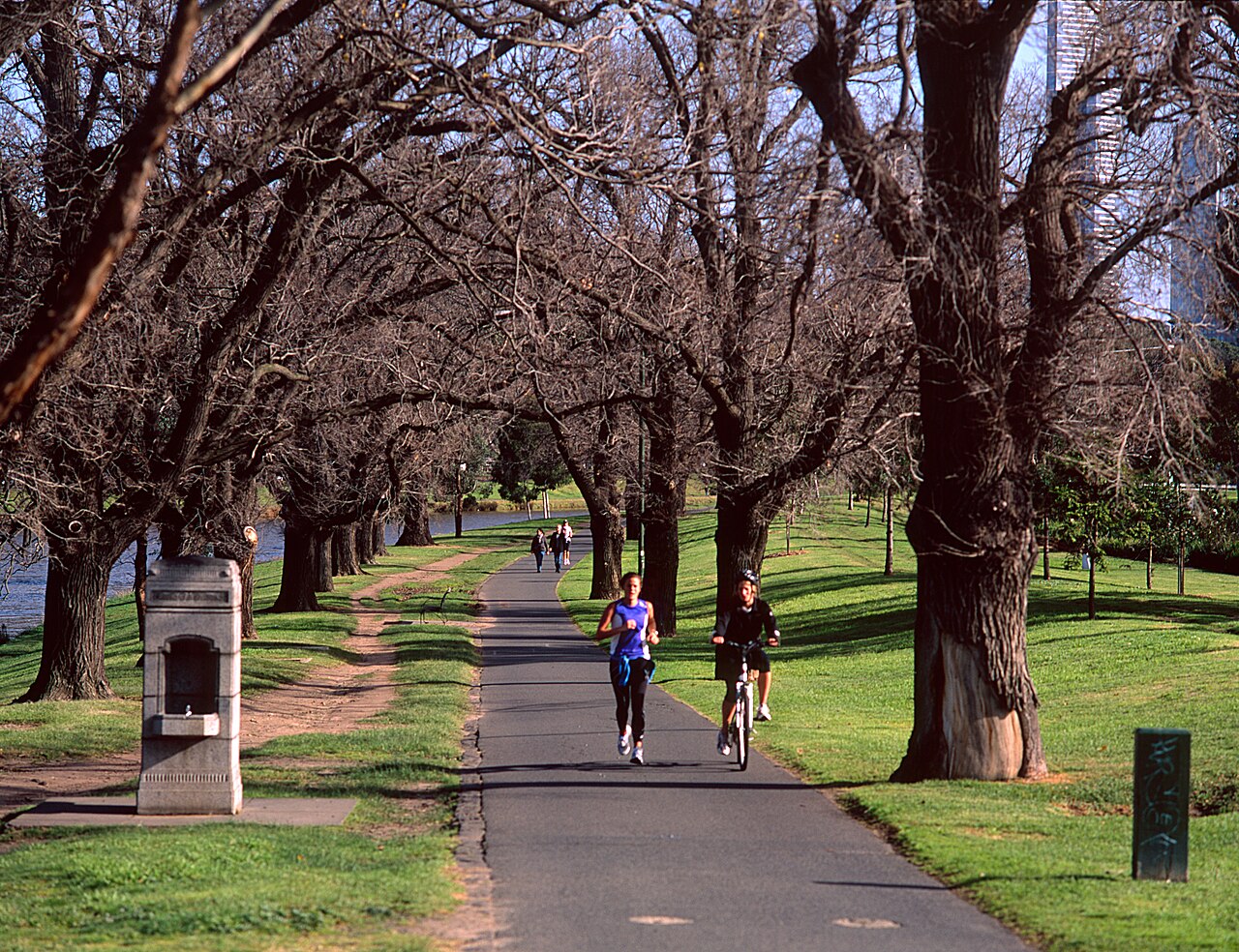
Today the Yarra supports diverse uses: it remains a source of water supply, is a focal point for recreation such as rowing and walking, and plays a ceremonial and cultural role for the city. Annual events celebrate the river’s place in Melbourne life, most notably the long-running public festivities associated with Moomba. Contemporary river management balances competing demands—urban amenity, water quality, flood protection and ecological restoration—through coordinated planning, pollution control and habitat rehabilitation projects. Community groups, Traditional Owners and government agencies all participate in efforts to restore wetlands, improve native vegetation and reduce pollutant loads. Moomba, festival.
Characteristics, challenges and notable facts
- The Yarra is often described as a defining natural feature of Melbourne’s urban form and cultural life.
- At about 242 km in length, the river connects mountain catchments with a major bay and passes through both rural and densely built environments.
- Key challenges include legacy pollution, altered hydrology from dams and weirs, habitat fragmentation and pressure from urban development.
- Restoration efforts focus on reconnecting floodplains, improving water quality and acknowledging Indigenous cultural values.
The Yarra River remains simultaneously a working river, an ecological corridor and a cultural landscape. Its past and future are shaped by the interplay of natural processes, Indigenous stewardship and urban society’s changing needs, making it a continuing subject of environmental management, historical interest and civic pride. Perennial river, Victoria, Australia, Indigenous Australians, Landscape, Upper Yarra Reservoir, Melbourne, Industrialisation, Destruction, Moomba, festival.
Questions and answers
Q: What is the Yarra River also known as?
A: The Yarra River is also known as the Yarra Yarra River, Aboriginal: Berrern, Birr-arrung, Bay-ray-rung, Birarang. Birrarung, and Wongete).
Q: Where does the river flow from?
A: The river flows from its source in the Yarra Ranges 242 kilometres (150 mi) west through the Yarra Valley.
Q: How was it used by indigenous Australians?
A: The river was a major food source for indigenous Australians during prehistoric times. It also served as a meeting place during those times.
Q: What did the Wurundjeri call it?
A: The Wurundjeri called it Birrarung.
Q: What does Yarro-yarro mean?
A: Yarro-yarro means "ever-flowing" in another Wurundjeri term in the Boonwurrung language.
Q: How has the landscape of the river changed since 1835?
A: The course of the river has been changed and widened in places and dams like Upper Yarra Reservoir have been built to help protect Melbourne from major flooding. Industrialisation led to destruction of marshlands at joining of Yarra and Maribyrnong Rivers near Coode Island in West Melbourne.
Q: How is its meaning celebrated each year?
A:The yearly Moomba festival celebrates the Yarra River's meaning to Melbourne.
Related articles
Author
AlegsaOnline.com Yarra River (Birrarung): course, history, ecology and uses Leandro Alegsa
URL: https://en.alegsaonline.com/art/109657
Sources
- services.land.vic.gov.au : "Yarra River: 30146: Historical Information"
- services.land.vic.gov.au : "Yarra River: 30146"
- bonzle.com : "Map of Yarra River, VIC"
- nla.gov.au : "BYGONE DAYS"