
Xiaotingia — a small feathered theropod from the Jurassic of China
Xiaotingia is a small, feathered theropod genus from Late Jurassic Liaoning, China, notable for a 2011 analysis that allied it with Archaeopteryx and raised questions about early bird origins.
Overview
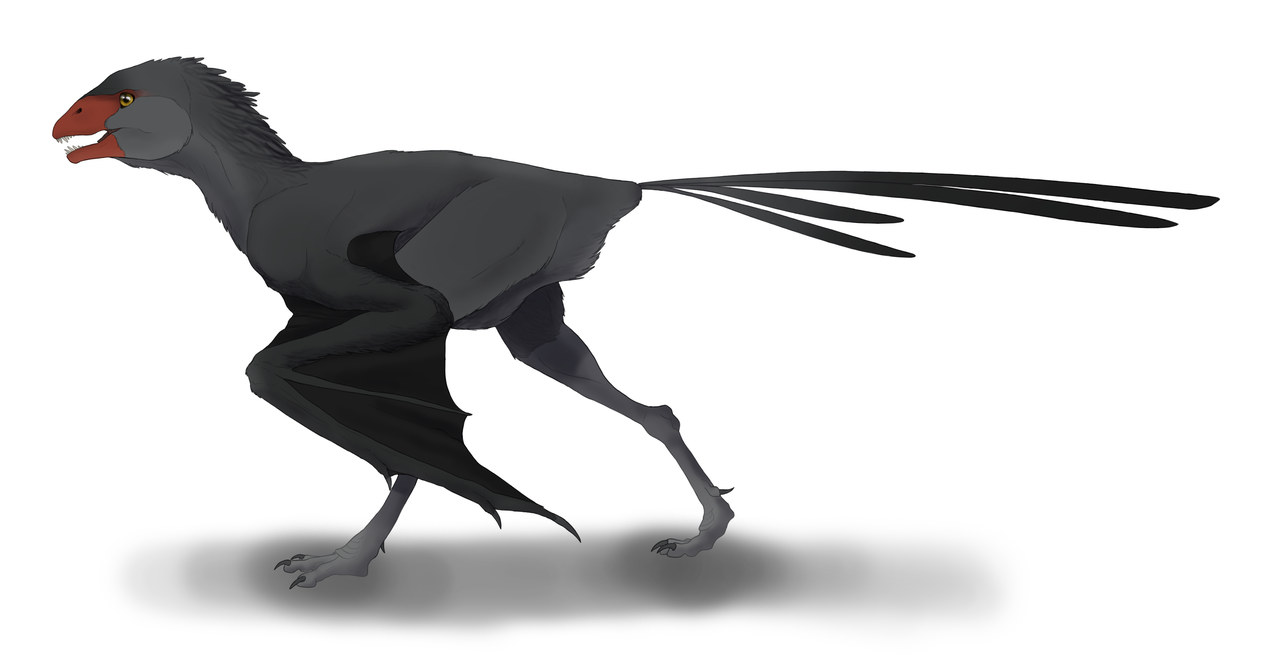
Xiaotingia is an extinct genus of small, feathered theropod described from fossils recovered in western Liaoning, China. The type material dates to the early part of the Late Jurassic and shows clear feather impressions on the limbs and tail. When first described in 2011 the specimen drew attention because an analysis placed it in a close grouping with Archaeopteryx, prompting renewed discussion about the origin and definition of birds.
Image gallery
10 Images




Morphology and diagnostic features
The preserved skeleton exhibits a combination of features seen in early avialans and deinonychosaurian theropods. Notable characters include long, pennaceous feathers on forelimbs and hindlimbs, a long bony tail, and skeletal elements typical of small, agile predators. Researchers compared its anatomy with other theropod and avian fossils, noting similarities in limb proportions, wrist bones and pelvic structure that make its classification challenging.
Discovery, age and provenance
The specimen was acquired through commercial channels and later studied at the Shandong Tianyu Museum, which affected the precision with which its stratigraphic horizon could be pinned down. The describing team favored an age of about 155 million years for the beds that produced the fossil, older than the ~144 million-year dating commonly used for the Solnhofen deposits where Archaeopteryx was found. Because the fossil changed hands before formal study, exact locality data are less precise than for some other Liaoning specimens.
Phylogenetic analysis and scientific debate
The original cladistic study placed Xiaotingia in a clade with Archaeopteryx, the Dromaeosauridae and the Troodontidae, excluding a number of traditionally recognized birds. That result led the authors to suggest revised definitions for groups such as Deinonychosauria and Avialae, and prompted headlines that questioned whether Archaeopteryx should still be considered an avian. The team however acknowledged that alternative definitions that keep Archaeopteryx within a traditional Aves are possible, and subsequent studies have produced differing placements depending on dataset and method.
Importance and interpretation
Xiaotingia is important because it highlights the mosaic nature of features near the base of the bird lineage and underscores how definitions (node-based versus stem-based) influence taxonomy. Its mixture of bird-like feathers and non-avian skeletal traits illustrates the gradual acquisition of avian characters among maniraptoran theropods. The fossil therefore contributes to broader discussions on powered flight origins and the evolutionary steps that led to modern birds.
Key distinctions and further research
Researchers continue to reassess Xiaotingia’s relationships as new fossils and revised analyses appear. Some later analyses recover Archaeopteryx as an avialan, others keep it closer to deinonychosaurs; the contrasting results highlight sensitivity to included characters and taxa. Ongoing work on Liaoning specimens, additional fossil discoveries and reanalysis of existing material aim to clarify where genera like Xiaotingia sit in the transition from non-avian theropods to true birds. For broader context consult summaries of early paravian evolution and comparative studies of fossil feather anatomy (further reading).
- Type genus: Xiaotingia (type species commonly cited as Xiaotingia zhengi in scientific descriptions).
- Geological context: Late Jurassic deposits of Liaoning province, China.
- Significance: contributes to debate over the origin and early evolution of birds and close relatives.
Related articles
Author
AlegsaOnline.com Xiaotingia — a small feathered theropod from the Jurassic of China Leandro Alegsa
URL: https://en.alegsaonline.com/art/109486
Sources
- bbc.co.uk : bbc.co.uk/news/science-environment-14307985
- nature.com : "An Archaeopteryx-like theropod from China and the origin of Avialae"
- doi.org : 10.1038/nature10288