
Wren (Troglodytidae): small, vocal passerine birds
Wrens are small, energetic passerines of the family Troglodytidae, mainly New World in distribution. Known for cocked tails and loud songs, about 80 species occupy varied habitats and niches.
Overview
"Wren" commonly refers to members of the family Troglodytidae, a group of small, active passerine birds. The family is largely New World in distribution, though the best known single species to many people is the Eurasian wren, Troglodytes troglodytes, which occurs across Europe, parts of Asia and North Africa. In total there are roughly eighty species placed in about twenty genera. Wrens are especially notable for their compact bodies, frequently cocked tails and surprisingly loud, often complex songs.
Image gallery
10 Images


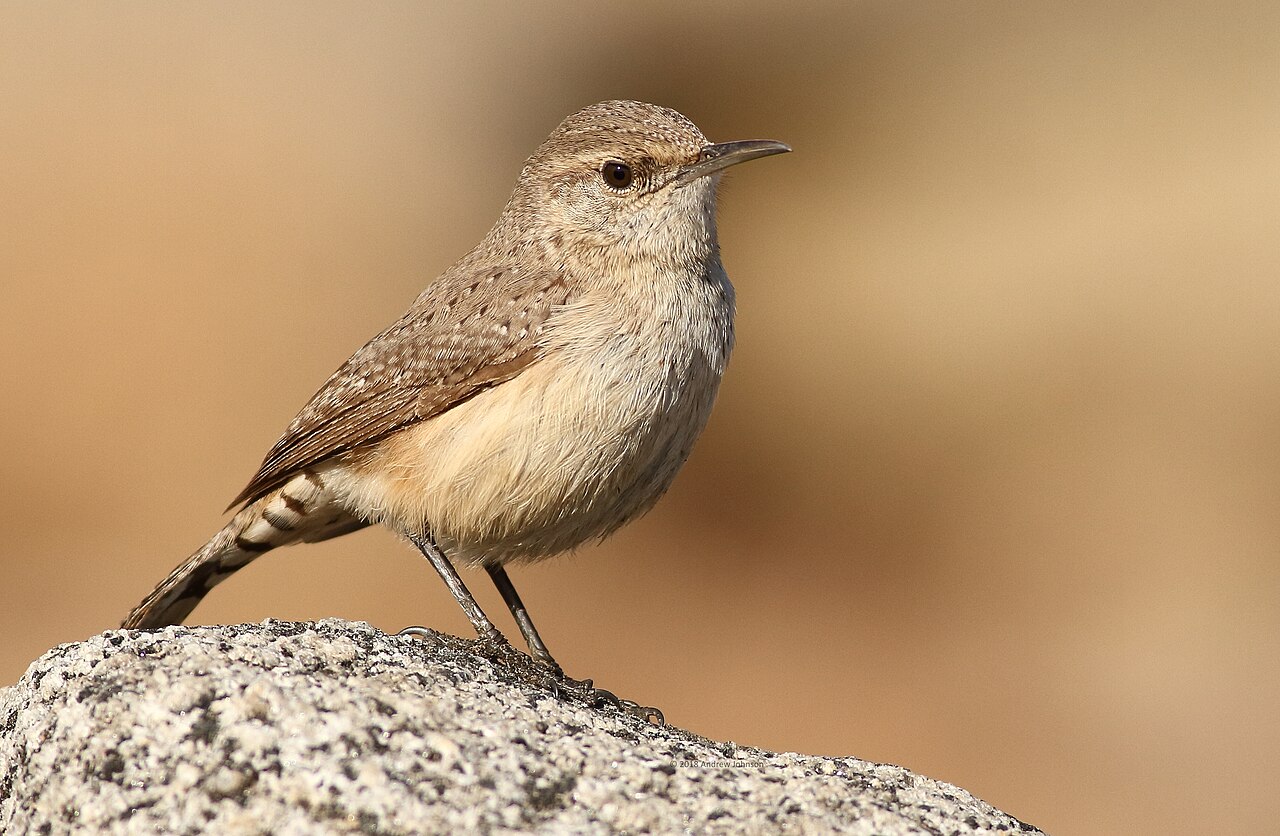


Identification and physical characteristics
Most wrens are small and plump, commonly near 10 centimetres (about 4 inches) in length. Plumage is typically various shades of brown with fine barring or streaking that provides camouflage in dense vegetation. Bills are short and slightly curved; wings are rounded and the tail is short and often held upright. Both sexes generally resemble one another in color, though size and subtle pattern differences occur between species. Vocalizations are a key field mark: wrens produce loud, rapid and melodically complex song, used in territory defence and mate attraction.
Distribution, taxonomy and notable species
Although the Eurasian wren is widespread across Eurasia and parts of Africa, most troglodytid species occur in the Americas, from temperate North America through tropical Central America into South America. Genera differ in habits and habitat preferences, and several species are associated with specialised environments such as mountain forests, scrub, marshes or mangroves. For taxonomic summaries and species lists see general authority pages and field guides: family overview and regional species lists.
Behavior and diet
Wrens are primarily insectivorous. They forage actively, gleaning insects and spiders from foliage, leaf litter and bark crevices, and sometimes making short sallies to capture prey. Many species are bold and energetic, moving through tangled vegetation with quick hops and flicks of the tail. Territorial behaviour is often conspicuous, with males (and in some species females) singing from prominent perches and responding vigorously to intruders.
Reproduction and nests
Breeding systems vary among species. Many wrens build enclosed or domed nests placed in cavities, dense shrubs, reed-beds or human structures; some species will construct multiple nests within a territory, only some of which are used for raising young. Clutch sizes and parental care strategies vary with latitude and species, but both parents commonly attend the young in several troglodytid species. Nest architecture can be helpful in identifying species.
Conservation and threats
Population trends differ across the family. Several widespread species are common and adaptable, while others with narrow ranges or specialised habitats face pressures from habitat loss, fragmentation and invasive species. Conservation assessments and management recommendations are available from regional and global sources; see conservation resources and status listings at authoritative assessments: population reviews.
Names, cultural notes and confusion with other groups
The English name "wren" has long Germanic roots and has been applied to the Eurasian species for centuries. In folklore the small but vocal wren appears in a range of myths and sayings, sometimes celebrated for its song or small stature. Because the common name "wren" is also used for unrelated groups—such as the New Zealand wrens (family Acanthisittidae) and the Australian fairy-wrens (family Maluridae)—scientific names are important to avoid confusion; comparative family accounts can help, see comparative families.
Field study and further reading
Observers can identify wrens by a combination of size, plumage pattern, characteristic tail carriage and especially by song. Regional field guides and online resources provide recordings and distribution maps; for identification help and further natural history details consult regional guides and specialist pages: identification guides and further resources. The Eurasian wren remains one of the smallest birds commonly found in Britain and is often the species people think of when they hear the word "wren."
- Example species: Eurasian wren (Troglodytes troglodytes).
- North American examples: several species including those long called winter wrens or Carolina wrens, distinguished by song and range.
- Neotropical diversity: many genera and species inhabit Central and South American forests and scrub.
Questions and answers
Q: What are wrens?
A: Wrens are a family of passerine birds mainly found in the New World family Troglodytidae, with about 80 species in about 20 genera.
Q: How many wren species are there?
A: There are about 80 species of wrens.
Q: What is the origin of the word "wren"?
A: "Wren" originally referred to a species found in Europe, western Asia, and North Africa. The word came into English after a long history in the Germanic languages.
Q: What is the scientific name of wrens?
A: The scientific name of wrens is Troglodytes troglodytes.
Q: Where are most wrens found?
A: Most wrens are found in the Americas.
Q: How long are most wrens and what do they look like?
A: Most wrens are about 10 centimetres (4 inches) long, brown (both sexes), with a short bill that curves slightly down. They have round wings and a short tail.
Q: What is special about the Wren found in Britain?
A: The Wren is also the shortest bird in Britain.
Related articles
Author
AlegsaOnline.com Wren (Troglodytidae): small, vocal passerine birds Leandro Alegsa
URL: https://en.alegsaonline.com/art/109177
Sources
- bbc.com : BBC News
- britannica.com : "wren (bird) -- Britannica Online Encyclopedia"