
Ringworm (tinea): common fungal skin infections
Ringworm, or tinea, is a group of contagious fungal skin infections that produce itchy, often ring-shaped rashes. They affect scalp, feet, groin, nails, and body skin and are treated with antifungals.
Ringworm is a non‑parasitic skin infection caused by fungi called dermatophytes. Despite its name, it is not produced by worms but by several related fungal species that grow on keratinized tissues such as skin, hair and nails. The medical term for these infections is tinea, followed by a word that indicates the body site (for example tinea pedis for the feet). For basic background see additional resources.
Image gallery
8 Images
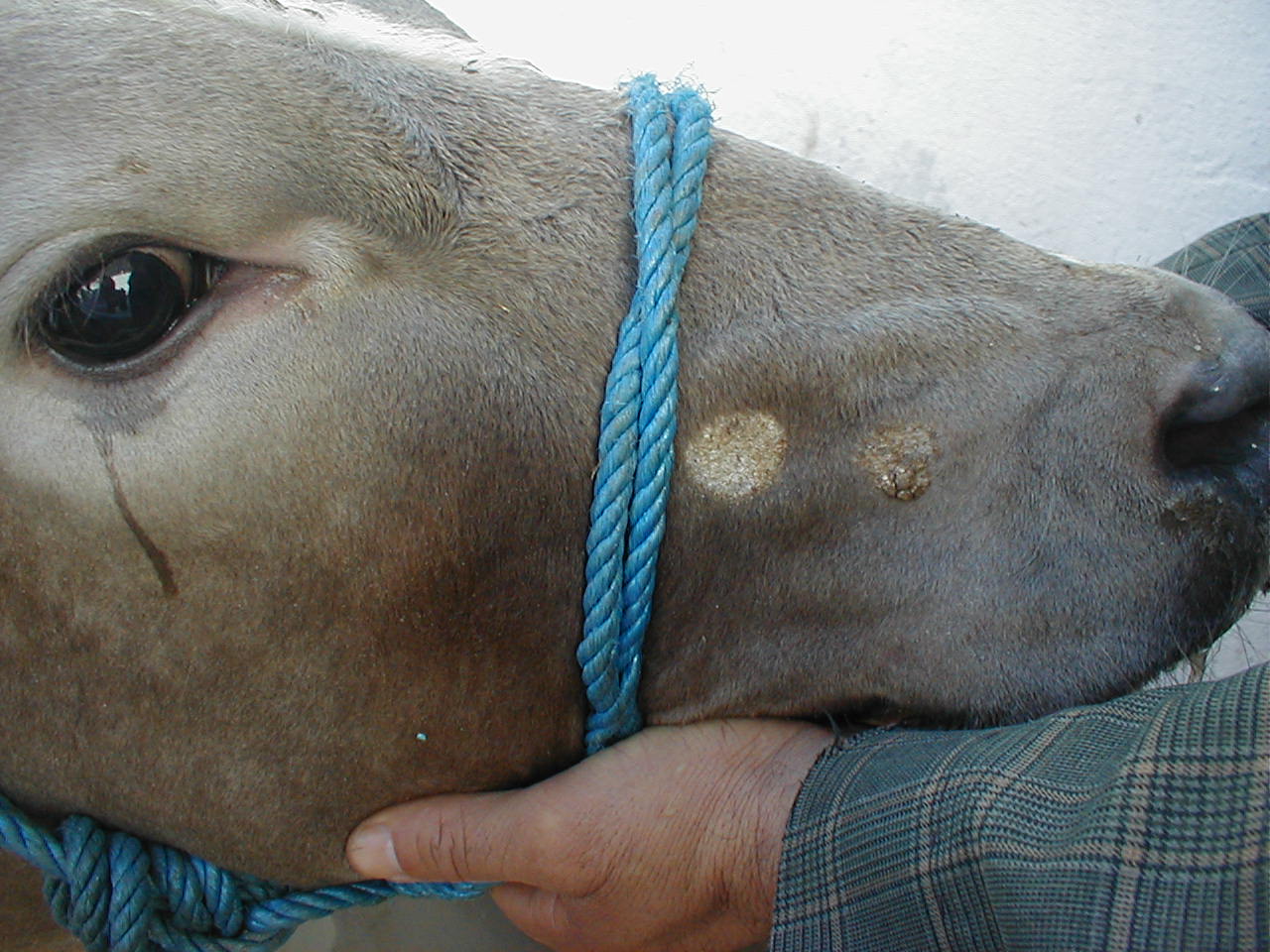


Causes and how it spreads
The organisms most often responsible belong to the genera Trichophyton, Microsporum and Epidermophyton. Transmission occurs by direct skin‑to‑skin contact with an infected person or animal, or indirectly via contaminated objects (clothing, combs, locker‑room floors). Warm, moist conditions and close contact increase risk; some domestic animals, particularly cats, can carry species that infect humans.
Common types and typical signs
- Tinea corporis: ring‑shaped, scaly patches on the body that may clear in the center.
- Tinea capitis: scalp infection causing scaly patches, hair breakage and sometimes swelling.
- Tinea pedis (athlete's foot): scaling, cracking and itching between toes or on soles.
- Tinea cruris (jock itch): itchy, red patches in groin folds.
- Tinea unguium (onychomycosis): fungal infection of the nails, causing thickening and discoloration.
Diagnosis and distinguishing features
Diagnosis is usually clinical but can be confirmed by microscopic examination of skin scrapings treated with potassium hydroxide (KOH), fungal culture, or special lighting such as a Wood's lamp in some Microsporum infections. Ring‑shaped lesions are characteristic but not universal; other conditions (psoriasis, eczema, pityriasis rosea) can look similar, so laboratory tests help when the appearance is atypical or treatment fails.
Treatment, prevention and outlook
Superficial infections are commonly treated with topical antifungal creams or powders containing azoles or allylamines. More extensive, scalp or nail infections often require oral antifungal drugs prescribed by a clinician. Preventive measures include keeping skin dry, avoiding shared personal items, washing bedding and clothing, and treating affected pets. With appropriate therapy most cases resolve without lasting harm, but nails and scalp infections may take months to clear and can recur.
Ringworm is widespread worldwide and usually manageable. Accurate identification and prompt treatment limit discomfort and spread within households, schools and athletic communities.
Related articles
Author
AlegsaOnline.com Ringworm (tinea): common fungal skin infections Leandro Alegsa
URL: https://en.alegsaonline.com/art/82983