
Xenarthra: the armadillos, sloths, and anteaters of the Americas
Xenarthra is a distinctive superorder of placental mammals native to the Americas, including armadillos, sloths and anteaters; notable for unique vertebral joints, low metabolic rates and ancient South American origins.
Overview
The Xenarthra are a major group of placental mammals native to the Americas. This lineage includes the familiar armadillos, tree sloths and anteaters and is recognized for several anatomical and physiological specializations. Xenarthrans are placed within the mammalian infraclass Eutheria and form a coherent superorder that evolved in South America soon after the extinction of non-avian dinosaurs. For general taxonomic context see Xenarthra and the broader infraclass at Eutheria. Modern representatives live only in the New World (the Americas), though their fossil history shows a wider past distribution.
Image gallery
10 Images



Key characteristics
Xenarthrans share a suite of distinctive features. The name xenarthra means "strange joints" and refers to additional articulations found on the lumbar and posterior thoracic vertebrae; these provide increased rigidity to the spine. Many species have reduced metabolic rates compared with other placental mammals, and males typically do not have an external scrotum: the testes remain inside the body cavity near the pelvis or abdomen. Dental patterns are simple or reduced—anteaters lack true teeth, while other xenarthrans have peg-like or reduced dentition. Armadillos bear external armor formed from bony plates (osteoderms) beneath the skin.
Evolution and historical distribution
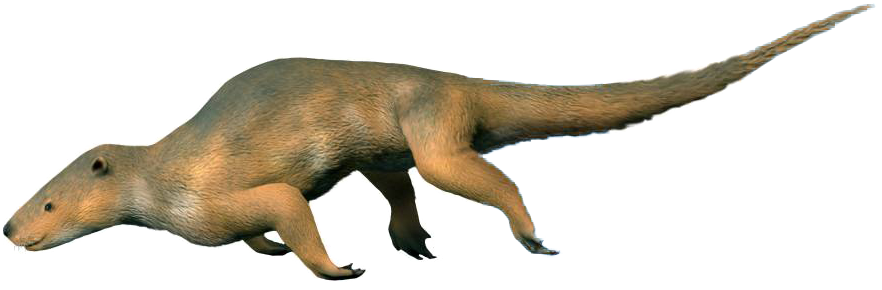
Xenarthrans emerged in South America during the Paleogene, soon after the end of the Mesozoic. Their early history and diversification occurred while South America was relatively isolated, which led to a wide range of specialized forms. Fossils reveal a richer past that included very large species such as ground sloths and armored glyptodonts. During the Neogene and especially the Pliocene–Pleistocene, xenarthrans dispersed beyond South America: they reached the Caribbean islands by the early Miocene and later expanded into Central and North America during the Great American Interchange. For an introduction to their ancient timeline see Paleogene origins and the late Mesozoic context (Mesozoic). Their northward spread is tied to events described at the Great American Interchange and regional movements into Central and North America. Many of the larger xenarthrans vanished at the end of the Pleistocene, including ground sloths and glyptodont-like relatives.
Classification and representative groups
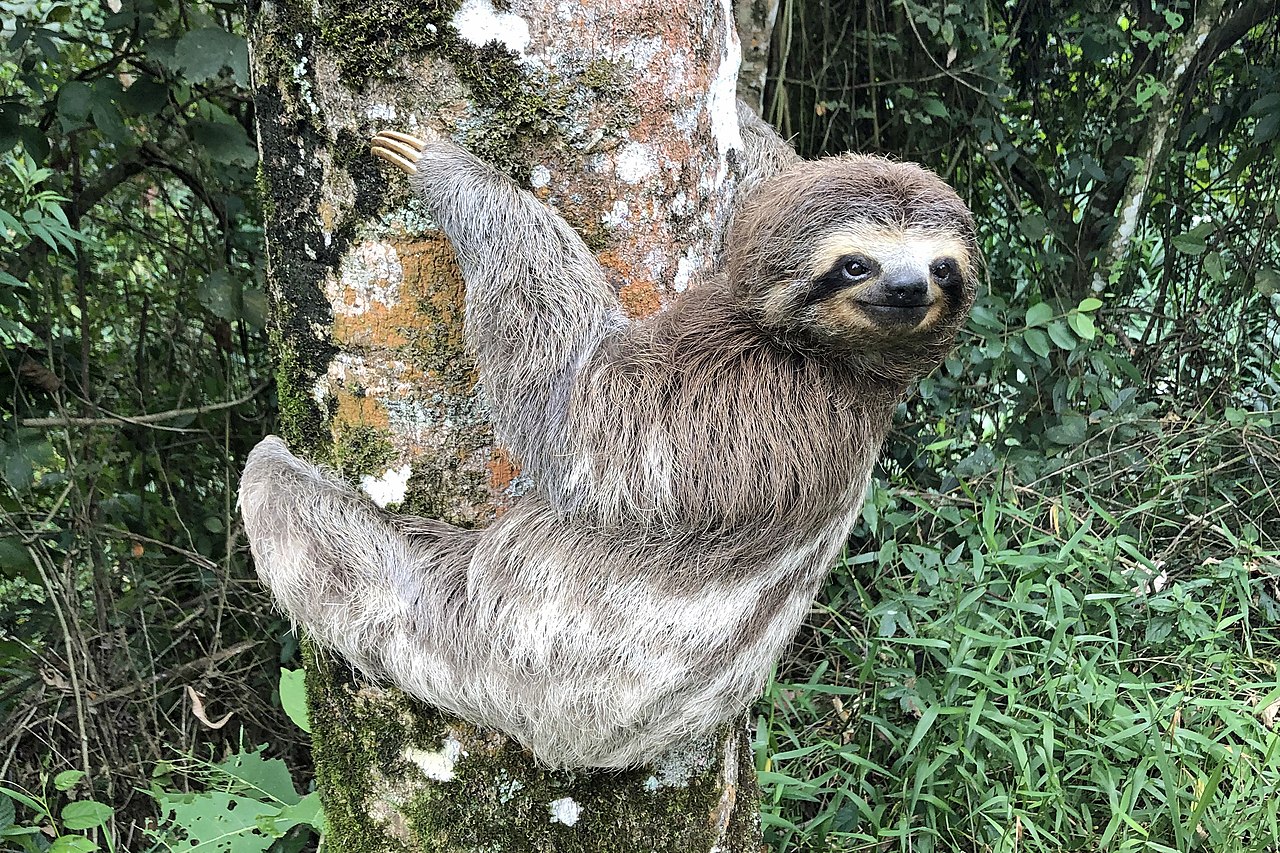
Xenarthra contains two main living lineages: the Pilosa (anteaters and sloths) and the Cingulata (armadillos and their extinct relatives). Pilosa includes arboreal two- and three-toed sloths and several species of anteater, such as the giant anteater; armadillos include the small, burrowing species familiar in parts of South and North America, including the nine-banded armadillo. Extinct groups related to modern xenarthrans once included glyptodonts and pampatheres. For quick references to living examples see anteaters, tree sloths and armadillos.
Ecology, roles and conservation
Xenarthrans perform important ecological functions. Anteaters control insect populations, armadillos modify soils through digging and burrowing, and sloths contribute to canopy ecology and seed dispersal. Habitat loss, hunting and vehicle collisions threaten many species; some armadillos have expanded their range, while several sloths and anteaters are of conservation concern. Conservation assessments and regional status reports can be explored via resources related to the Pleistocene extinctions and modern threats in the South American context.
Notable facts and distinctions
- Spinal adaptations: xenarthrous vertebral articulations are unique among placentals and increase spinal stiffness.
- Reproduction and physiology: many xenarthrans have low metabolic rates relative to other mammals and internal testes in males; see discussions of therian physiology at therians and reproductive anatomy at male reproductive traits.
- Fossil legacy: large-bodied xenarthrans dominated parts of South America's megafauna; notable extinct forms include ground sloths and armored glyptodont relatives (ground sloths, megafaunal xenarthrans).
Because xenarthrans combine several unusual anatomical and ecological traits, they are a frequent subject for evolutionary and paleontological study. For further reading and general overviews of their biology and distribution, see regional faunal summaries (Antilles records, Central America, North America) and broader taxonomic treatments (Xenarthra, Eutheria). Additional resources on particular species and conservation status can be consulted through specialist pages and databases (sloth biology, armadillo studies, anteater research).
Note: This article summarizes widely accepted features of the group and its history without attempting an exhaustive taxonomic treatment. For in-depth palaeontological, genetic or conservation data consult specialized literature and up-to-date databases.
Questions and answers
Q: What is the Xenarthra?
A: The Xenarthra is a superorder of placental mammals (infraclass Eutheria) which includes anteaters, tree sloths, and armadillos.
Q: Where do they live?
A: They currently only live in the Americas.
Q: How far back can their origins be traced?
A: Their origins can be traced back as far as the Palaeogene period, about 60-65 million years ago (mya).
Q: How did they spread to Central and North America?
A: They spread to Central and North America as part of the Great American Interchange.
Q: What does the name Xenarthra mean?
A: The name Xenarthra means 'strange joints', referring to their vertebral joints which have extra articulations unlike those of any other mammals.
Q: Where are male testicles located in xenarthrans?
A: Male testicles are located between the bladder and rectum in xenarthrans.
Q: What is unique about xenarthran metabolism compared to other therians? A: Xenarthrans have the lowest metabolic rates among all therians.
Related articles
Author
AlegsaOnline.com Xenarthra: the armadillos, sloths, and anteaters of the Americas Leandro Alegsa
URL: https://en.alegsaonline.com/art/109446
Sources
- species.wikimedia.org : Xenarthra
- commons.wikimedia.org : Xenarthra
- ncbi.nlm.nih.gov : "Timing and biogeography of the eutherian radiation: fossils and molecules compared"
- pubmed.ncbi.nlm.nih.gov : 12878471
- springerlink.com : "The Great American biotic interchange: dispersals, tectonics, climate, sea level, and holding pens"
- doi.org : 10.1007/s10914-010-9144-8Open Access
- ncbi.nlm.nih.gov : "The evolutionary history of testicular externalization and the origin of the scrotum"
- pubmed.ncbi.nlm.nih.gov : 20413907
- doi.org : 10.2307/2389354
- jstor.org : 2389354
- doi.org : 10.1086/303383
- jstor.org : 3079219
- pubmed.ncbi.nlm.nih.gov : 10856202