
World War
A world war is a large-scale armed conflict involving many nations; historically denoted the two 20th‑century global wars and used in discussions of future large-scale conflicts and their consequences.
A "world war" describes an armed conflict that draws in a large number of countries from different regions, so that fighting, support or major effects occur across much of the globe. This broad idea of global participation contrasts with wars that are regional or limited to contests among a few states. For a general definition see global war.
Image gallery
10 Images


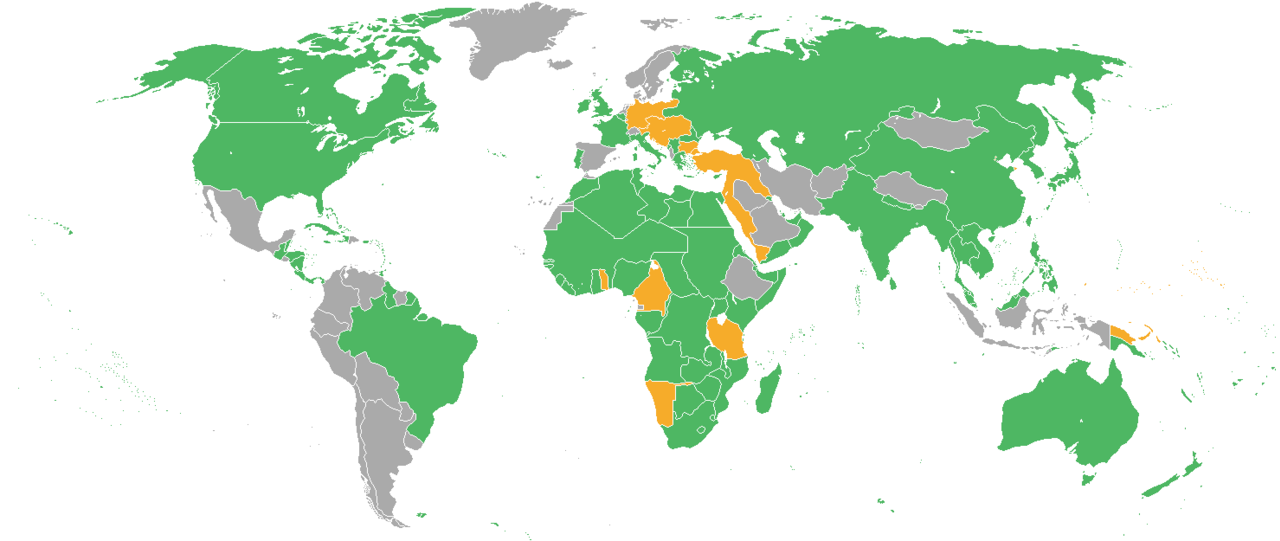


Major historical examples
The term is most commonly applied to two twentieth‑century conflicts. World War I (1914–1918) began largely from imperial rivalries, alliance commitments and a chain of mobilizations that dragged many states into sustained combat. World War II (1939–1945) involved even larger territories and civilian populations; it included major campaigns on multiple continents and produced far greater destruction and loss of life.
Earlier multi‑theater wars sometimes involved many theaters and colonial possessions but are usually treated differently. For example, the Seven Years' War (1756–1763) involved fighting on several continents and has been called a world war by some historians, yet it grew out of rivalries primarily among European powers and their colonies rather than the global alliance systems seen in the 20th century.
Characteristics and causes
World wars share several features: large alliance systems, mass mobilization of soldiers and economies, extensive use of colonies or distant territories, and sustained combat over years. Technological change and industrial capacity shape how such wars are fought. By the mid‑20th century, rapid aircraft such as jet types and long‑range bombers could project power far from a nation's borders, while advances in rocketry and delivery systems made long‑distance strikes possible. The introduction of nuclear weapons after 1945 added a qualitatively different and immediate risk to any future large‑scale conflict.
Political causes frequently include rival alliance commitments, competition for resources or territory, nationalism, and crises that escalate because of mistrust or miscalculation. Economic interdependence and diplomacy can reduce the risk, but when large powers are drawn into opposing blocs the chance of wider war rises.
Cold War, the fear of a third world war, and nuclear deterrence
After 1945 many observers feared a new global confrontation—often described as World War III—especially during the period of geopolitical tension between the United States and its allies in Western Europe and the Soviet Union, with some commentators adding the possibility of involvement by China. That prolonged contest, known as the Cold War, featured proxy wars, intense military buildups and political competition rather than direct full‑scale warfare between the superpowers.
The existence of nuclear arsenals meant any large war risked catastrophic consequences for human societies. During the Cold War this reality encouraged doctrines of mutual deterrence: the idea that the prospect of unacceptable retaliation would prevent nuclear‑armed states from initiating direct conflict. Nonetheless, crises—blockades, mistaken signals and local wars—kept the fear of escalation alive.
Consequences, legal and political legacy
The two world wars of the twentieth century reshaped international law, institutions and borders. They accelerated movements for decolonization, prompted the creation of permanent international organizations intended to reduce the chance of interstate war, and led to arms‑control efforts aimed at limiting weapons that threaten global survival. Governments and publics also developed new norms about war crimes, civilian protection, and humanitarian response.
- Diplomacy and institutions: Attempts to prevent future global wars produced multilateral forums and treaties.
- Arms control: Negotiations and agreements have sought to manage, reduce or limit the most destructive weapons, including those capable of striking beyond national borders.
- Historical memory: Veterans, commemorations and scholarship have influenced how societies assess responsibility and learn from past errors.
Writers and public figures have often reflected on the scale of destruction that a world war could bring. The physicist Albert Einstein is widely attributed a warning that beyond a third world war humanity might be reduced to primitive means, a comment used to stress how a future global war could devastate civilization. Such statements underline the uncommon dangers posed by conflicts that involve many of the planet's major powers and most destructive arsenals.
Today the label "world war" is applied cautiously. Historians and policymakers distinguish between wars fought across multiple regions, various imperial struggles of earlier centuries, and truly global conflicts that mobilize most of the world's great powers. Discussion of future global wars remains largely speculative and contingent on political choices, technological developments and international cooperation aimed at reducing large‑scale violence.
Related articles
Author
AlegsaOnline.com World War Leandro Alegsa
URL: https://en.alegsaonline.com/art/109122