
World War III
World War III denotes a hypothetical global conflict following World War II; discussions cover likely combatants, weapons (including WMD), strategic doctrines, consequences, and efforts to prevent such an outcome.
World War III is a term used to describe a hypothetical third global armed conflict that would follow World War II. It is not a single, defined event but a category of scenarios in which multiple states or alliances engage in widespread, high-intensity warfare that crosses regional boundaries and affects many parts of the world. Writers, strategists and policymakers use the term to explore possible causes, courses and consequences of a world-scale war.
Image gallery
10 Images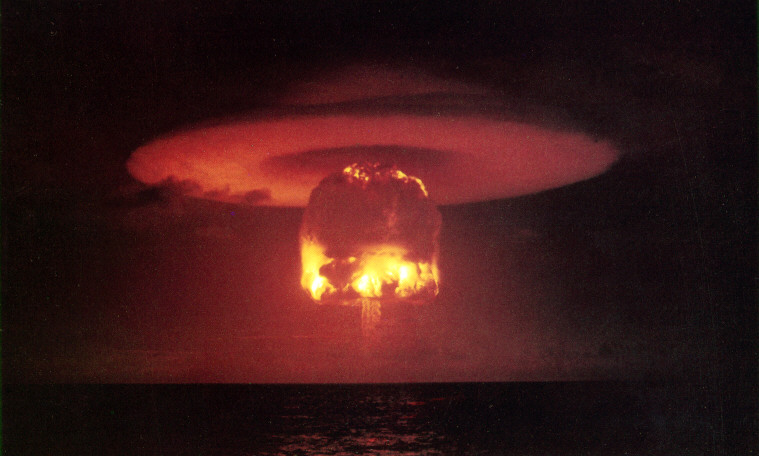




Characteristics and likely weapons
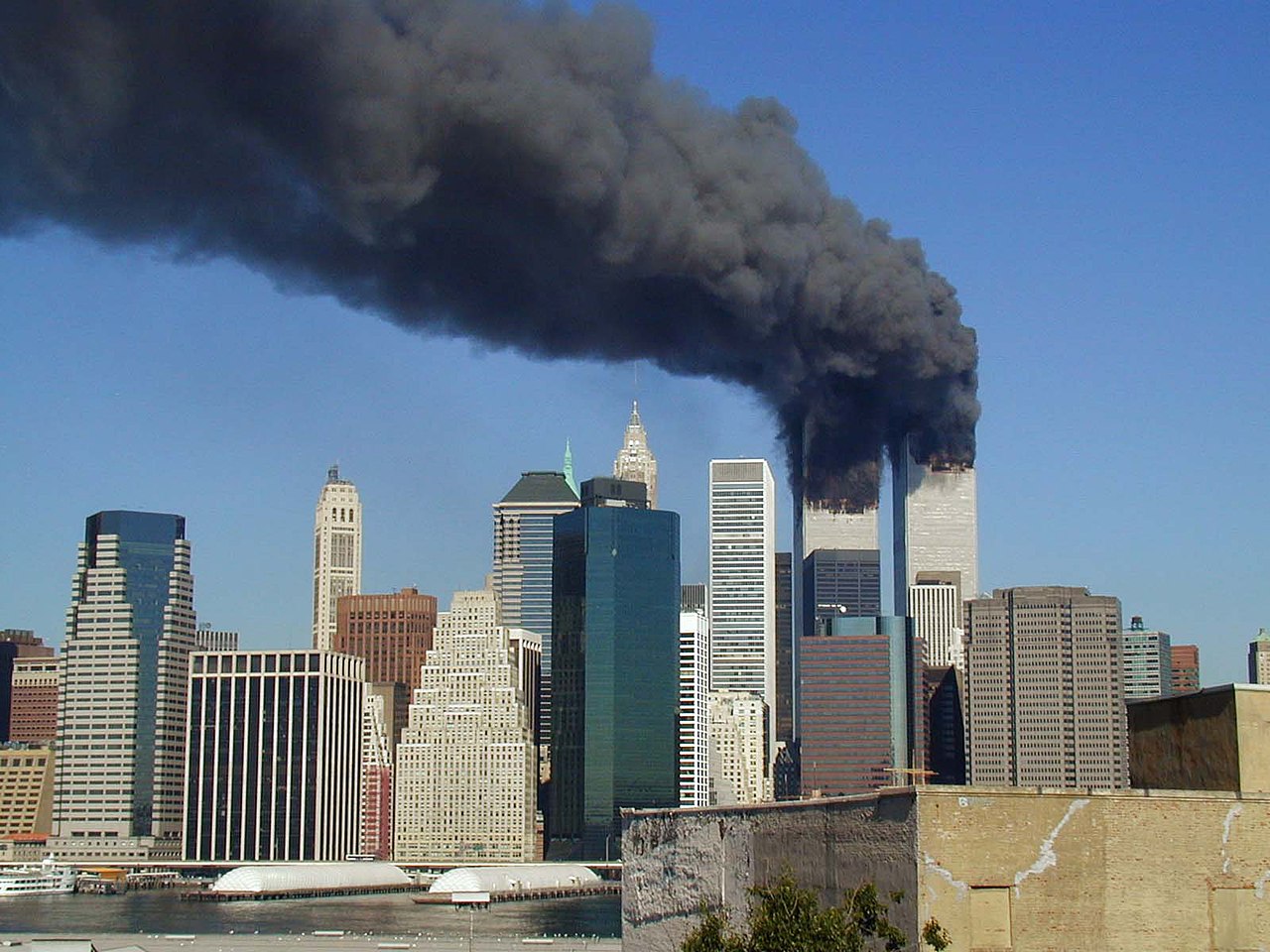
Analysts imagine several features that would distinguish a world war: participation by many nations or major powers, multiple theatres of combat across continents, and the potential use of weapons capable of causing mass and long-term harm. In modern discussion, particular attention centers on nuclear, biological and chemical weapons — often grouped as weapons of mass destruction (WMD) — and on how their use would amplify civilian casualties and environmental damage compared with conventional fighting. Conventional arms such as firearms, artillery and non-nuclear bombs would remain central to any large-scale campaign, but WMD raise the possibility of much larger, more persistent harm.
Potential effects and risks
The immediate human cost of a large-scale global conflict could be enormous; beyond deaths and injuries, modern wars can destroy infrastructure, medical and food systems, and disrupt economies. Experts warn that the use of large numbers of nuclear weapons could trigger atmospheric effects that reduce sunlight and agriculture, sometimes discussed under the term "nuclear winter." Biological agents introduce risks of uncontrolled disease spread, while some chemical agents can contaminate land and water. Taken together, these dangers have led many to conclude that a full-scale global war involving WMD could produce societal collapse in affected regions.
Historical background and deterrence
Debate about World War III grew especially intense during the 20th century's Cold War, when rival blocs and a nuclear arms race created frequent fears of escalation between superpowers. Concepts such as deterrence, second-strike capability and Mutually Assured Destruction (MAD) emerged to explain how nuclear-armed states attempted to prevent deliberate nuclear use by ensuring unacceptable retaliation. Arms-control agreements and diplomatic crisis management have also been tools to lower the risk of accidental or intentional escalation.
Prevention, law and policy responses
Preventing a world-scale conflict combines diplomacy, arms control, non-proliferation efforts, confidence-building measures, and crisis channels between states. International institutions and treaties aim to reduce incentives for war and limit the spread and use of the most dangerous weapons. Civil defense, emergency preparedness and resilient infrastructure planning are complementary measures intended to reduce harm if conflict occurs. Policy discussions continue about balancing deterrence with de-escalation and negotiation.
Cultural impact and notable commentary
The idea of World War III figures prominently in literature, film, journalism and political rhetoric. It is used both as a subject of speculative fiction and as a warning in strategic debates. Popular attributions, such as an oft-repeated remark ascribed to Albert Einstein that the next world war would be fought with primitive weapons, are sometimes quoted to emphasize the destructive potential of modern arms; historians note that single-line attributions may be apocryphal even if they capture a broader concern about catastrophic weapons.
Related topics
- World War II
- Nation-states and alliances
- Global theatres and continents
- Nuclear weapons
- Biological weapons
- Bacteria (as agents)
- Viruses (as agents)
- Poisoning and contamination
- Conventional weapons
- Firearms
- Explosive ordnance
- Global environmental effects
- Albert Einstein
- Civilization and recovery
For more detailed discussions on strategy, arms control, and humanitarian consequences see specialist literature and authoritative institutional analyses. These sources examine specific scenarios, legal frameworks and technical means of reducing the risk that a hypothetical World War III might occur.
Questions and answers
Q: What is World War III?
A: World War III is the name given to a possible third world war. It refers to a world war that may happen and would be the successor to World War II (1939–1945).
Q: How might a world war be fought?
A: A world war might be fought by multiple countries of the world against one other, sometimes across different continents. An all-out war fought between two or three major powers would also be considered a world war.
Q: What are weapons of mass destruction?
A: Weapons of mass destruction refer to nuclear, biological, and chemical weapons. Biological weapons are living things, usually bacteria or viruses while chemical weapons might not kill quickly but poison people or their land. Conventional weapons, on the other hand are "normal" weapons like guns or non-nuclear bombs.
Q: What did Albert Einstein say about World War III?
A: Albert Einstein is often quoted as having said “I know not with what weapons World War III will be fought, but World War IV will be fought with sticks and stones” although it is uncertain if he actually said this. Other things that he said show that he believed the weapons used in World War III might be so devastating that they would end civilization as we know it.
Q: What kind of damage could result from using mass destruction?
A: Mass destruction could damage much of the Earth and kill many humans and other living things.
Q: How have technology and weapon become more advanced?
A: Technology and weapon have become more advanced due to advancements in science and engineering which has allowed for more powerful weaponry such as nuclear, biological, and chemical weapons which can cause massive amounts of damage if used in warfare.
Related articles
Author
AlegsaOnline.com World War III Leandro Alegsa
URL: https://en.alegsaonline.com/art/109127
Sources
- abc.net.au : "Bush likens 'war on terror' to WWIII"