
1911 Revolution (Xinhai Revolution)
A concise overview of the 1911 Xinhai Revolution in China: its causes, main events, end of imperial rule under Puyi, and the founding of the republic and its legacy.
Overview
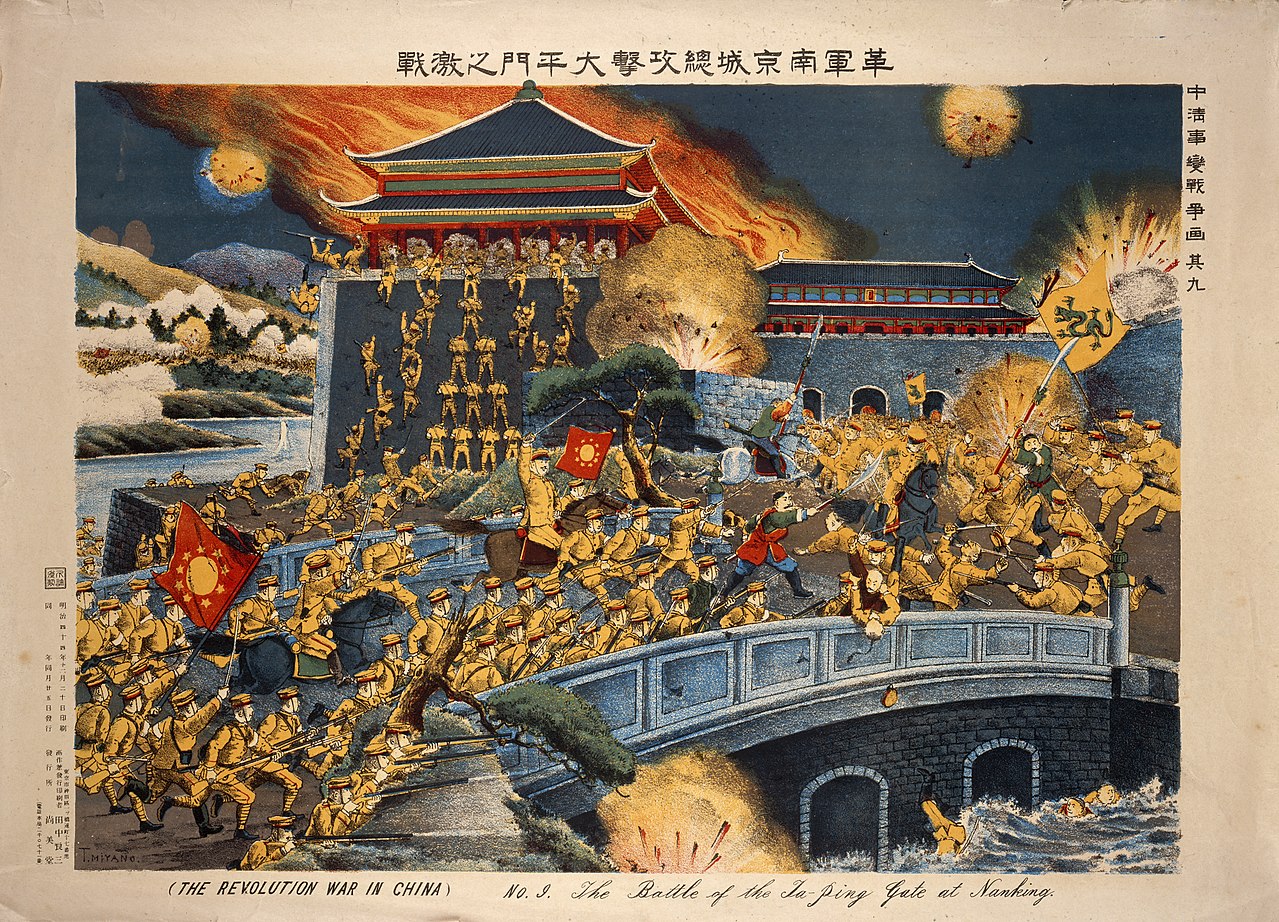
The 1911 Revolution, commonly called the Xinhai Revolution, was a widespread uprising that ended more than two millennia of imperial rule in China. Beginning as a series of regional revolts, it culminated in the collapse of the Qing dynasty and the transfer of power from an emperor to republican institutions. The child emperor Puyi ultimately abdicated, clearing the way for a new political order.
Image gallery
10 Images




Causes and background
Several long-term trends set the stage: growing dissatisfaction with Qing governance, influence of foreign powers and economic concessions, reform movements among intellectuals and students, and the spread of republican ideas. Military modernization and regional armies also weakened central control and made coordinated rebellion more feasible.
Key events and actors
The uprising began with armed insurrections in provincial garrisons and cities. Revolutionary groups, reform-minded officials, and disaffected soldiers seized opportunities created by political crises. Prominent figures included revolutionary leaders who organized political and military resistance and negotiated the transition to a new regime.
Outcome and significance
The revolution removed the imperial system (monarchy) and led to the establishment of a republican form of government (republic) in the months that followed. The change was not an immediate consolidation of stable national rule; instead it produced a period of regionalism, political experimentation, and competing visions for China's future.
Legacy
The Xinhai Revolution is remembered as a decisive turning point that ended dynastic continuity and introduced modern political concepts to China. Its legacy includes debates over how to balance central authority and local autonomy, how to modernize institutions, and how different groups interpreted nationalism and reform.
Further reading
- Overviews of the revolution and timelines for its major uprisings.
- Biographical studies of leaders, military reforms, and regional militias.
- Analyses of how the end of the Qing dynasty shaped 20th-century Chinese politics.
For more detailed sources and archival materials, consult specialized histories, academic articles, and collections that focus on late imperial China and the early republican period.
Related articles
Author
AlegsaOnline.com 1911 Revolution (Xinhai Revolution) Leandro Alegsa
URL: https://en.alegsaonline.com/art/109490