
Wig: history, types, uses, and cultural role
An overview of wigs: materials and construction, historical development, social and legal uses, medical and theatrical applications, common types, care and cultural significance.
Overview
A wig is an artificial covering of hair designed to be worn for cosmetic, protective, ceremonial or theatrical purposes. Wigs can be made to cover the entire scalp or only part of it, and they are available in a wide range of styles, colors and construction methods to meet different needs. People sometimes wear a wig to conceal hair loss or to change their appearance temporarily — for example to hide that they are bald or to adopt a period look during a performance.
Image gallery
10 Images




Materials and construction
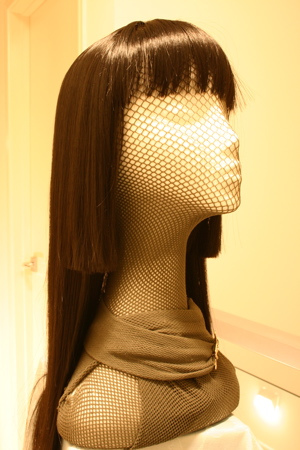
Wigs are typically produced from human hair, animal hair or synthetic fibers. Human-hair wigs are prized for their realistic texture and the ability to be restyled with heat tools, while modern synthetic fibers provide durable, pre-styled options that require less maintenance. Construction techniques vary: machine-sewn wefts create economical caps, hand-tied knots on fine lace provide natural-looking hairlines, and monofilament or skin-top units simulate parting and scalp. Fastening methods include adjustable straps, combs, clips, elastic bands, medical adhesives and specialized prosthetic bases for long-term wear.
History and social context
Wigs have a long history in many regions. In Europe the fashion for wigs (the term is a shortening of "periwig") became highly visible from the 17th century onward, when they were associated with status, hygiene and courtly dress. Powdered, curled and elaborately styled wigs were common among aristocracy and officials. The everyday use of large wigs declined in the 19th century, but legal, ceremonial and theatrical traditions preserved some forms of wig wearing. Elsewhere, variations such as hairpieces, braids and head coverings have fulfilled overlapping social and practical roles.
Uses and examples
- Medical: Wigs and medical hair prostheses are commonly used by people experiencing hair loss from conditions such as alopecia, chemotherapy or other medical causes. These provide cosmetic restoration and can help with psychological well-being.
- Professional and ceremonial: In Britain and several Commonwealth countries, certain formal dress codes historically include wigs; some judges and barristers continue to wear traditional wigs in specified proceedings. The practice and its precise requirements differ by jurisdiction and have evolved in modern times, linked to broader customs in the Commonwealth.
- Theatrical and film: Actors and costume departments rely on wigs to create period-accurate looks, support quick character changes and protect performers’ natural hair under heavy makeup and staging.
- Fashion and personal style: Wigs, hairpieces and extensions allow wearers to experiment with length, color and volume without permanent chemical or surgical alteration.
Iconography and notable examples
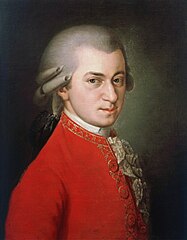
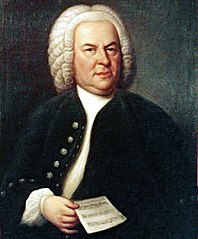
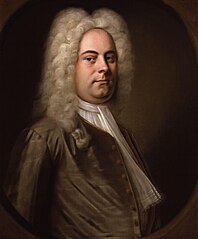
Portraits and historical imagery often show prominent figures wearing wigs, reflecting their era’s conventions. Well known 18th-century composers and public figures are frequently depicted with styled or powdered wigs; such visual records help scholars and the public understand contemporary dress and social signals. Examples of period portraits include depictions of Mozart, Bach and Handel, which illustrate variations in cut, curl and ornamentation.

Types, distinctions and care
Common categories include full wigs (covering the entire head), partial hairpieces and toupees (often intended to conceal localized thinning), lace-front and full-lace designs, and specialized units for medical prostheses. Proper care depends on materials: human-hair pieces benefit from gentle shampooing, conditioning and periodic shaping, while synthetic units require specific cleansers and limited heat exposure. Storing wigs on stands, protecting them from prolonged sunlight, and following manufacturer instructions extend service life. Professional fitting and bespoke manufacturing are available for long-term or medical use.

Manufacture, regulation and cultural significance
Wig production ranges from handcrafted bespoke work to mass-produced units. Quality is affected by hair sourcing, knotting density, cap construction and finishing. In many countries wigs and related hair products are subject to trade standards and consumer-protection rules that cover labeling, fiber content and safety of adhesives. Beyond practical function, wigs carry symbolic meanings in law, religion, theatre and fashion; they can signal authority, conceal identity, or play a role in rites of passage and artistic performance.
Further reading and resources
This article summarizes widely known aspects of wigs: materials, historical use, professional roles and care. For specialized advice on medical prostheses, legal dress codes, theatrical costume practices or purchasing and maintenance, consult dedicated sources and qualified professionals.
Related articles
Author
AlegsaOnline.com Wig: history, types, uses, and cultural role Leandro Alegsa
URL: https://en.alegsaonline.com/art/107992