
Anna Wintour: Editor of American Vogue and influential fashion figure
British-born editor-in-chief of American Vogue since 1988, Anna Wintour is a powerful fashion industry figure, known for her signature look, influence on designers and the Met Gala, and a long media presence.
Dame Anna Wintour DBE (born 3 November 1949) is a British-born journalist and editor best known as the editor-in-chief of American Vogue, a role she has held since 1988. She is widely regarded as one of the most influential people in contemporary fashion, shaping editorial direction, public taste and the commercial success of designers and publications. For a compact professional overview see her profile and for context about her nationality see English background.
Image gallery
10 Images



Career and editorial approach
Wintour's editorial style blends high-fashion photography, celebrity culture and commercial partnerships. Under her leadership Vogue expanded its reach, increased sales and became a central arbiter of trends. She has overseen countless issues and special projects, balancing artistic shoots with advertising and marketplace realities. In addition to her Vogue duties she holds senior responsibilities within Condé Nast and advises on cross-title strategy.
Signature image and public profile
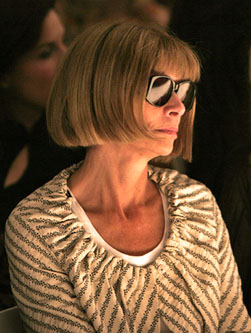
Her public persona is marked by a precise bob haircut, dark sunglasses and a reputation for brisk, exacting decision-making. That image has made her instantly recognizable and the subject of wide cultural attention. Journalists and commentators often note her managerial rigor and the clarity of the aesthetic she promotes inside fashion circles and beyond.
Roles, influence and events
- Championing new designers and models: editorial choices at Vogue can accelerate careers and define seasons.
- Major fundraising and cultural events: she plays a central role in the Metropolitan Museum of Art Costume Institute’s annual gala, a high-profile fundraiser and industry calendar highlight.
- Industry leadership: her editorial decisions influence retail, runway casting and publicity cycles across the fashion ecosystem.
Wintour has also been a recurring figure in popular culture and biographical commentary; some writers and filmmakers have cited her as an inspiration for fictional characters that explore the pressures of fashion publishing. She has received formal honors in recognition of her services to the industry.
Criticism and legacy
Her tenure provokes mixed assessments: admirers credit her with modernizing a legacy title and amplifying fashion as a global cultural force; critics point to issues such as the commercialization of editorial content and calls for greater diversity and representation. Regardless of perspective, her long tenure and public visibility have made her a defining figure in late 20th- and early 21st-century fashion.
Related articles
Author
AlegsaOnline.com Anna Wintour: Editor of American Vogue and influential fashion figure Leandro Alegsa
URL: https://en.alegsaonline.com/art/114286
Sources
- nytimes.com : Anna Wintour Steps Toward Fashion's New Democracy
- nytimes.com : "Power Is Always in Vogue"