
George Frideric Handel
German-born Baroque composer who spent most of his career in London; famed for operas, oratorios (especially Messiah), and public orchestral works such as Water Music and Music for the Royal Fireworks.
Overview
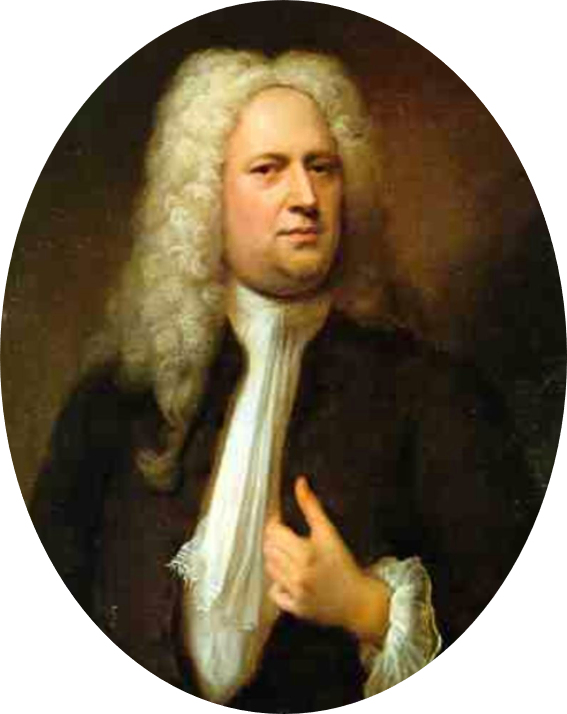
George Frideric Handel (born Georg Friedrich Händel; 23 February 1685 – 14 April 1759) was a leading composer of the late Baroque era. Born in Germany, he made his career in London, became a naturalised British subject (naturalisation) and anglicised his name as part of his public identity (name change). Handel is remembered for large-scale vocal works and public orchestral music that helped shape musical life in eighteenth‑century Britain. He and his exact contemporary Johann Sebastian Bach were important figures of the period, though their careers and reputations followed different paths.
Image gallery
10 Images



Early life and training
Handel received early musical training in Halle and later spent time at universities and courts in Germany. As a young man he travelled to Italy, where he immersed himself in Italian opera and sacred music. These experiences influenced his melodic style and dramatic sense, and he returned to German courts before eventually moving to London. His training combined the German contrapuntal tradition with Italian lyricism and a sense of theatrical colour.
Career in England
Settling in London, Handel became a dominant figure in the city's musical life. He composed numerous stage works, first producing operas in the Italian style (operas) for the fashionable theatres and aristocratic patrons. Later, responding to changing public tastes and the economics of London theatres, he increasingly turned to English-language oratorios (oratorios), which allowed him to present large-scale dramatic works for chorus and soloists without the full trappings of Italian opera.
Musical style and genres
Handel's music is noted for its strong melodic invention, expressive vocal writing and clear orchestral textures. He wrote across genres: operatic dramas for solo voices, expansive oratorios for chorus and orchestra, sacred anthems, as well as chamber and instrumental music. His ability to write effective choral scenes and to adapt dramatic gestures for English audiences helped establish the oratorio as a central genre in Britain. He also composed incidental and occasional works for state events and public celebrations.
Major works
- Messiah — Handel's best-known oratorio, famous for the "Hallelujah" chorus, widely performed in both liturgical and concert settings.
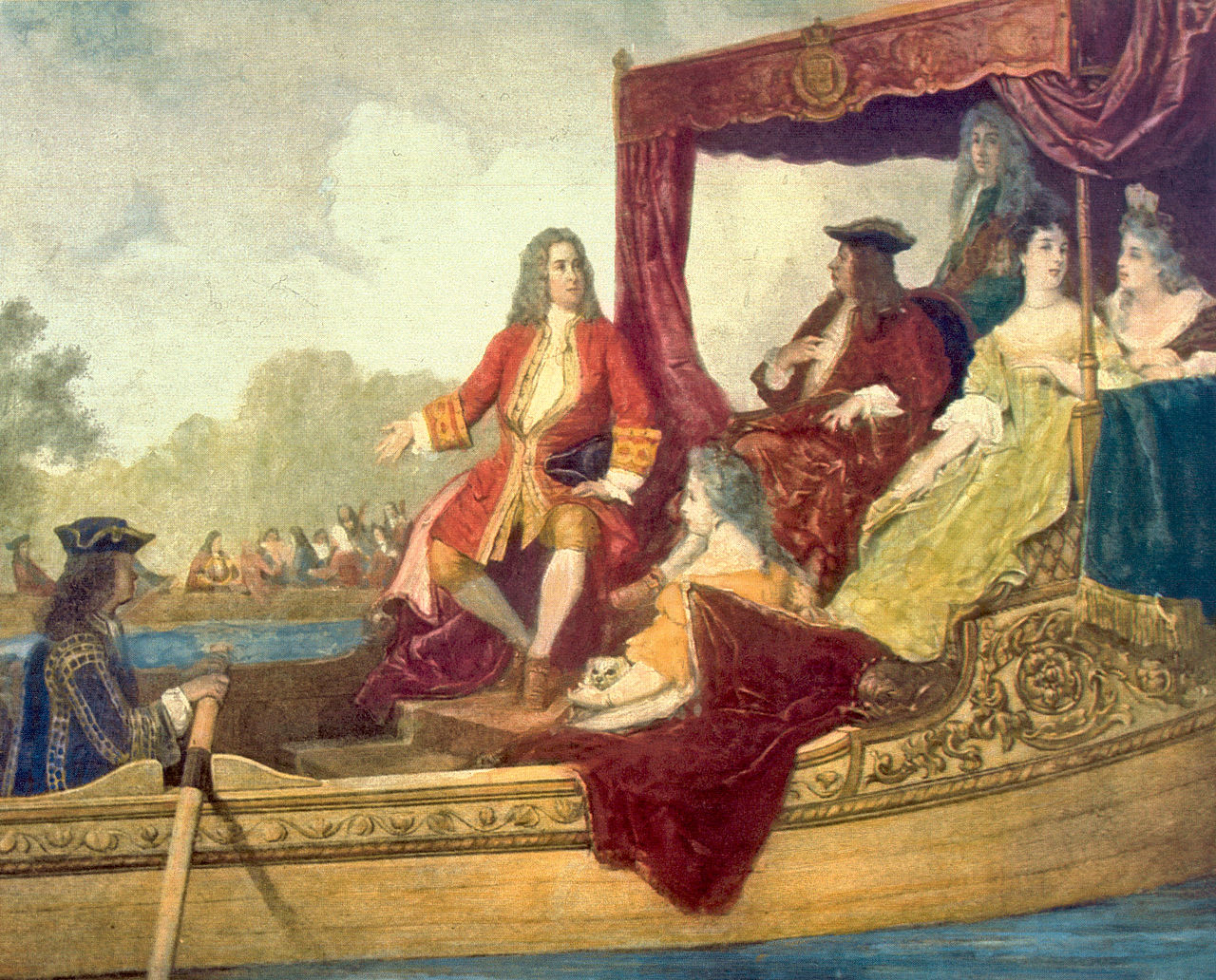
- Water Music — A suite of orchestral movements written for outdoor royal occasions and public display.
- Music for the Royal Fireworks — A ceremonial suite composed for a large public celebration.
- Over forty stage works and a long series of English oratorios, together with chamber music and orchestral pieces that illustrate his versatility.
Reception and influence
Handel's reputation grew during his lifetime and continued after his death. His operas brought him early fame among aristocratic audiences, while his later oratorios reached a broader public and helped shape English choral tradition. Composers and performers have admired his craftsmanship in vocal writing and his sense of theatrical timing. Memorials, frequent performances of his music and scholarly editions have kept his works central to concert repertoires.
Later life and legacy
In his later years Handel suffered from health problems but remained active as a composer and organiser of performances. He died in London in 1759 and was buried in Westminster Abbey, a mark of his importance in British cultural life. His extensive catalogue continues to be studied, performed and recorded; modern scholarship places his output in the context of European exchange in the Baroque era and the development of public concert practices. For introductions, recordings and detailed catalogues of his music see general composer resources and focused studies on his operas and oratorios.
Handel's career illustrates the mobility of musicians in the eighteenth century and the ways in which artistic styles were shaped by international travel, patronage and public taste. His music remains valued for its dramatic force, memorable tunes and ability to speak to both sacred and secular audiences across centuries.
Further reading and resources: biographical surveys, modern critical editions and recordings provide entry points to Handel's work; for thematic or performance-oriented research consult specialised catalogues and archives that document his operas, oratorios, anthems and instrumental suites. Additional historical context is available through studies of Baroque performance practice and the social life of music in London and continental courts.
Questions and answers
Q: Who was George Frideric Handel?
A: George Frideric Handel was a German composer who went to live in England when he was a young man and later became a naturalised Briton.
Q: When did Handel change his name?
A: Handel changed his name to George Frideric Handel when he became British; he removed the dots above the "a" and changed the spelling of Georg and Friedrich.
Q: What type of music did Bach write?
A: Bach wrote mostly church music, but also composed orchestral works, chamber music, cantatas, and other forms of vocal music.
Q: How many operas did Handel write?
A: Handel wrote over 42 operas.
Q: Where did Handel take trips to learn about composition?
A: He took many trips, including to Italy where he learned a lot about composition.
Q: What is one of the most famous oratorios written by Handel?
A: His most famous oratorio is the Messiah.
Related articles
Author
AlegsaOnline.com George Frideric Handel Leandro Alegsa
URL: https://en.alegsaonline.com/art/38216
Sources
- parliament.uk : "British Citizen by Act of Parliament: George Frideric Handel" · webcitation.org · webcitation.org
- w3.rz-berlin.mpg.de : w3.rz-berlin.mpg.de
- 8notes.com : "George Frideric Handel"
- wikidata.org : wikidata.org/wiki/Q7302
- authority.bibsys.no : 90051292
- catalogo.bne.es : XX1108806
- catalogue.bnf.fr : cb139873218
- data.bnf.fr : (data)
- cantic.bnc.cat : a11328216
- d-nb.info : 118544489
- isni.org : 0000 0001 2275 9702
- id.loc.gov : n79129204
- musicbrainz.org : 27870d47-bb98-42d1-bf2b-c7e972e6befc