
Baldness (Alopecia): Causes, Types, History, and Management
An encyclopedic overview of baldness (alopecia): its types, biological causes, history, cultural aspects, diagnosis and common approaches to management and treatment.
Overview
Baldness, also called alopecia, describes partial or complete loss of hair from the scalp and sometimes other parts of the body. It ranges from small, well-defined patches to total hair loss. The condition may be temporary or permanent, may follow identifiable medical causes or be the result of deliberate shaving, and carries biological, psychological and cultural dimensions.
Image gallery
7 Images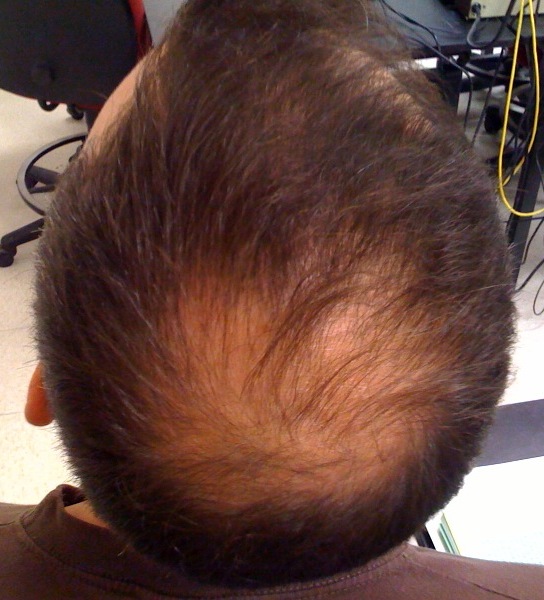




Causes and common types
Multiple processes can produce hair loss. The most frequent hereditary pattern in adults is androgenic alopecia, a hormone- and gene-related condition that typically produces a predictable thinning pattern. Alopecia areata is an autoimmune disorder that causes sudden patchy hair loss. Complete loss of scalp hair is called alopecia totalis, while the loss of all body hair is termed alopecia universalis. Hair may also be lost from scarring conditions, infections, nutritional deficiencies, or as a side effect of medical treatments.
Medical literature often distinguishes these conditions by pattern and mechanism. For example, androgenic alopecia involves sensitivity of hair follicles to androgens and is influenced by family history and genetic factors, including loci on various chromosomes. In autoimmune alopecia, immune cells target hair follicles intermittently, producing round or oval bald patches.
Signs, progression and diagnosis
Patterns of hair loss help clinicians narrow causes: a receding hairline and vertex thinning suggest androgenic alopecia, while discrete circular patches point toward alopecia areata. Diagnosis relies on history, physical examination, and sometimes scalp biopsy or blood tests to evaluate for thyroid disease, nutritional deficits, or autoimmune markers. The course is variable—some individuals experience slow progression over decades, others have rapid onset.
Management and interventions
- Conservative options include cosmetic measures (haircuts, wigs, fibers) and counseling to address psychological impact.
- Topical and oral medications can slow or partially reverse hair loss in certain forms; effectiveness varies by diagnosis and individual response.
- Surgical solutions such as hair transplantation move surviving follicles into thinning areas and are widely used for patterned baldness.
- Emerging therapies include immunomodulatory treatments, platelet-rich plasma, and devices that aim to stimulate follicle activity; research continues.
History, culture and notable facts
Shaved heads have held symbolic meanings in many cultures—religious rites, military discipline, or fashion. Some monastic orders require head shaving as a sign of renunciation, and militaries in various countries have historically used short haircuts for hygiene and uniformity. Public attitudes toward baldness vary by era and region and have shaped treatments and social responses.
Further reading and links
For concise topic overviews and patient resources, see scalp and hair basics, notes on religious or cultural practices like monastic tonsure and institutional policies such as military haircut standards. Medical background is discussed in summaries of common medical causes, the occurrence in humans and reports comparing patterns in some animal species. Genetic and chromosomal information is available in content about heritable factors and chromosome-linked traits.
Related articles
Author
AlegsaOnline.com Baldness (Alopecia): Causes, Types, History, and Management Leandro Alegsa
URL: https://en.alegsaonline.com/art/8465