
Yukata: the casual summer kimono
A yukata is an informal, unlined kimono worn in Japan in summer—lightweight, easy to wear, and popular at festivals, ryokan, and as casual or work uniforms. Overview, history, styles, and usage.
The yukata is a casual form of kimono worn in Japan primarily during warm months. Unlike formal kimono, a yukata is designed to be cool, comfortable and simple to put on. Traditionally used as a post-bathing robe, it has evolved into everyday summer wear, festival costume and hotel nightclothes. Its ease of use and relaxed appearance make it a distinct garment within Japan's broader kimono tradition.
Image gallery
8 Images


Characteristics and construction
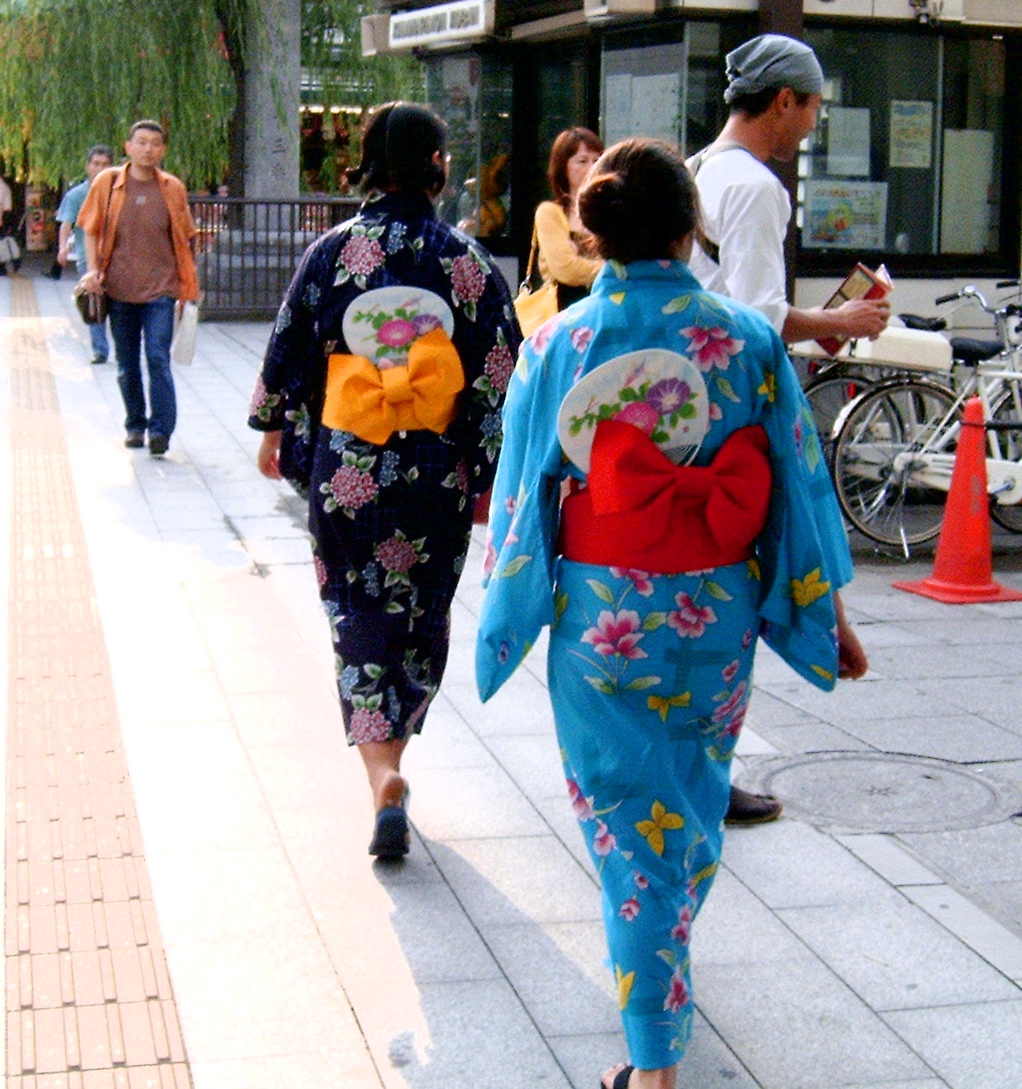
Yukata are generally unlined and made from breathable fabrics such as cotton or modern synthetic blends. They are cut in the straight, rectangular panels typical of kimono, but the materials are lighter and the overall tailoring is simpler. A yukata is usually worn with a narrow, often informal obi (belt), commonly a hanhaba obi, which is easier to tie than the wide, stiff obis used with formal kimono. Footwear is typically wooden clogs called geta or lightweight sandals; accessories often include fans, small drawstring bags, and simple hair ornaments.
History and development
The garment traces its roots to a garment known as yukatabira, which functioned as a bathrobe for nobles and later for the general public. Early versions were frequently indigo-dyed and white, practical for laundering and dyeing techniques of the time. Over centuries the yukata shifted from a bathhouse convenience to a summer wardrobe staple and a symbol of leisure, especially after public festivals and entertainment became more widespread in the Edo period and beyond.
Uses, occasions and cultural role
Yukata are commonly seen at summer festivals, fireworks displays, and Bon dances where attendees prefer lightweight clothes suited to outdoor heat. They are also provided by many inns (ryokan) as guest robes; a simpler, unisex variant used as nightclothes is often called a nemaki. In addition to personal wear, some businesses adopt yukata as seasonal uniforms—most visibly in hospitality and at theme parks and restaurants—to convey a traditional atmosphere. Professional sumo wrestlers are among those who wear yukata in daily life because of their comfort and cultural appropriateness.
Varieties and modern trends
While historically limited in palette—notably indigo and white—modern yukata come in a wide spectrum of colors and motifs. Designers and manufacturers produce youthful, fashion-forward patterns alongside conservative styles for men. Fabrics now include easy-care synthetics as well as traditional woven cottons. Retailers and rental shops make yukata accessible for visitors and those who wish to wear them occasionally without owning a wardrobe of traditional garments.
Distinctions from formal kimono and practical notes
Key differences between a yukata and a formal kimono include the lack of an under-kimono (juban), absence of elaborate padding and shaping, lighter fabric, and the use of a simpler obi. Unlike formal silk silk kimono, yukata are inexpensive, easy to wash, and practical for humid weather. Etiquette remains important—left side over right when dressing, appropriate obi knots and footwear depending on gender and occasion—but the yukata’s informality makes it an approachable way to participate in traditional dress.
- Typical occasions: summer festivals, hanabi (fireworks), Bon dances, ryokan stays.
- Common accessories: geta, simple obi, sensu (folding fan), kinchaku (pouch).
- Designs: from classic indigo motifs to bright contemporary prints.
The yukata occupies a unique place between everyday clothing and formal kimono: rooted in history, adapted for comfort, and continuing to evolve as both fashion item and cultural symbol.
Related articles
Author
AlegsaOnline.com Yukata: the casual summer kimono Leandro Alegsa
URL: https://en.alegsaonline.com/art/110188