
Whig Party (United States)
A major U.S. political party of the mid-19th century that opposed Andrew Jackson, supported congressional authority and economic modernization, and fractured over slavery in the 1850s.
Overview
The Whig Party was a national political organization in the United States that rose to prominence during the era often called Jacksonian democracy. It became one half of the Second Party System, competing with the Democratic Party. Formed in the 1830s and active through the mid-1850s, the Whigs organized to oppose the policies of President Andrew Jackson and the Democratic Party. Their name invoked the revolutionary-era American Whigs of 1776 and the British Whig tradition, signaling resistance to what members characterized as executive overreach or autocratic rule.
Image gallery
10 Images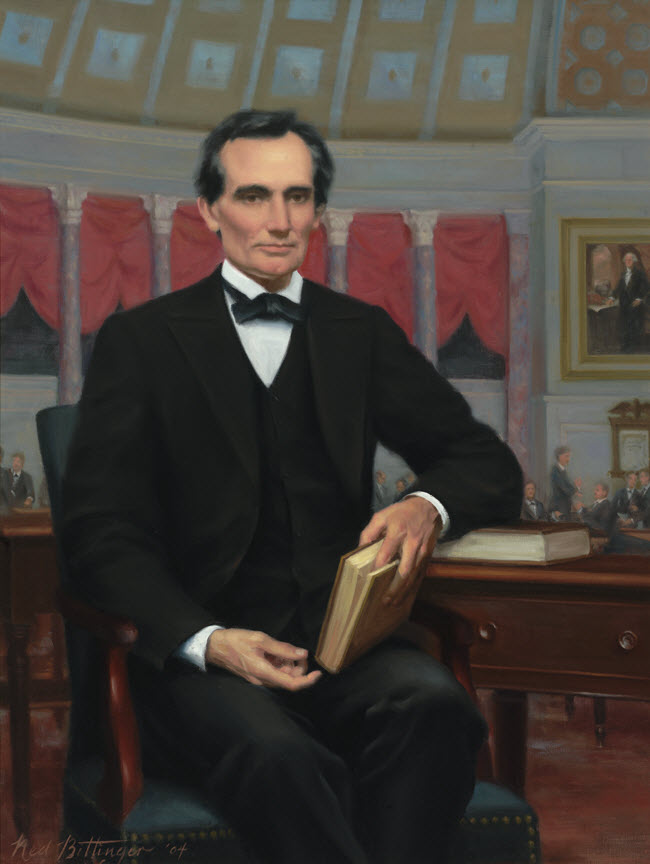



Core beliefs and policies
Whigs emphasized the supremacy of Congress relative to the presidency, believing in a balanced national government. They generally promoted a program of economic development sometimes summarized as support for a national bank, protective tariffs, and federal investment in roads, canals and other internal improvements—policies that proponents described as modernization. Many Whigs also favored institutions such as public schools and legal reforms, and in some regions the party attracted supporters of moral reform movements.
Organization, notable leaders and elected presidents
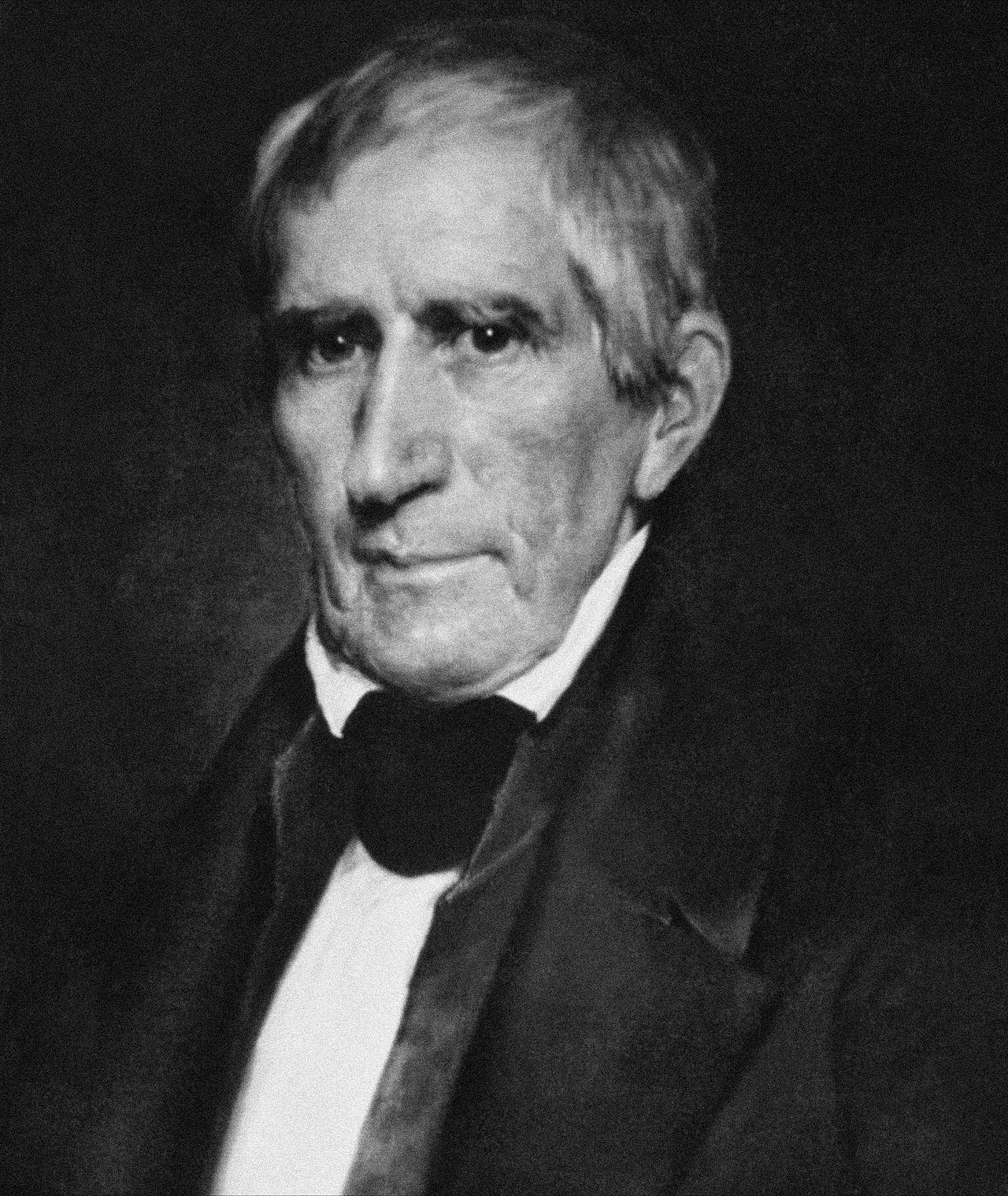
The Whig coalition brought together former National Republicans, anti-Jackson Democrats, and various regional interests. Prominent leaders included Daniel Webster, Henry Clay of Kentucky, and military figures such as Zachary Taylor and Winfield Scott. The party produced two presidents who won national elections: William Henry Harrison (elected 1840) and Zachary Taylor (elected 1848); both died in office. Harrison’s vice president, John Tyler, assumed the presidency but quickly broke with Whig leadership. After Taylor’s death, Millard Fillmore became president and was the last Whig to hold the nation’s highest office.
Electoral strategy and examples
Whigs used organized national conventions, slogans, and imagery to build broad coalitions. The 1840 campaign that brought Harrison to power used populist-style themes and the famous slogan "Tippecanoe and Tyler Too," blending frontier hero imagery with party discipline. In some states Whig strength drew from commercial and manufacturing centers in the North, parts of the border South, and Western leaders who favored internal improvements.
Decline and dissolution
The Whig Party weakened in the 1850s as sectional tensions over the expansion of slavery into new territories intensified. Debates following the Mexican-American War and the Compromise of 1850 split Whigs between pro-slavery Southern members and anti-slavery Northern members. The party’s failure to adopt a cohesive national stance on slavery led to electoral defeats—most notably in 1852 when it nominated Winfield Scott and lost—and to defections of activists and voters to emergent movements.
Legacy and historical significance
By the mid-1850s the Whig national coalition had largely dissolved. Many former Whigs, including future Republican leaders such as Abraham Lincoln of Illinois, helped form or join the new Republican Party. Others gravitated briefly to the nativist American Party or returned to the Democrats. The Whigs left an important imprint on American political development: they introduced disciplined party organizations, debated the proper balance of federal power and economic policy, and shaped national discourse on modernization and institutional reform.
- Formation and duration: active from the 1830s through about 1856 (formation era to dissolution period).
- Opposed: executive centralization associated with Jackson and his allies.
- Notable members: Webster, Clay, Harrison, Taylor, Scott, Fillmore.
The Whig Party’s rise and fall illustrate how shifting economic interests and the intensification of the slavery controversy reshaped American party alignments in the mid-19th century, paving the way for the Republican-Democrat system that followed.
Related articles
Author
AlegsaOnline.com Whig Party (United States) Leandro Alegsa
URL: https://en.alegsaonline.com/art/107757
Sources
- ourcampaigns.com : "Our Campaigns - US President - W Convention Race - Sep 17, 1856"