
Henry Clay: American statesman and architect of mid-19th century compromise
Henry Clay (1777–1852) was a Kentucky statesman, Speaker of the House, senator, Secretary of State and leader of the Whig Party, known for the American System and pivotal compromises over slavery.
Overview
Henry Clay was a prominent American politician born in 1777 who became one of the most influential public figures of the early Republic. Representing Kentucky, he served multiple terms as a member and as Speaker of the House, was a long-serving member of the Senate, and briefly held the office of Secretary of State. Clay pursued the presidency on several occasions and is widely remembered for his skill as an orator, his leadership in party building, and his consistent effort to keep the Union intact through negotiated settlements.
Image gallery
10 Images




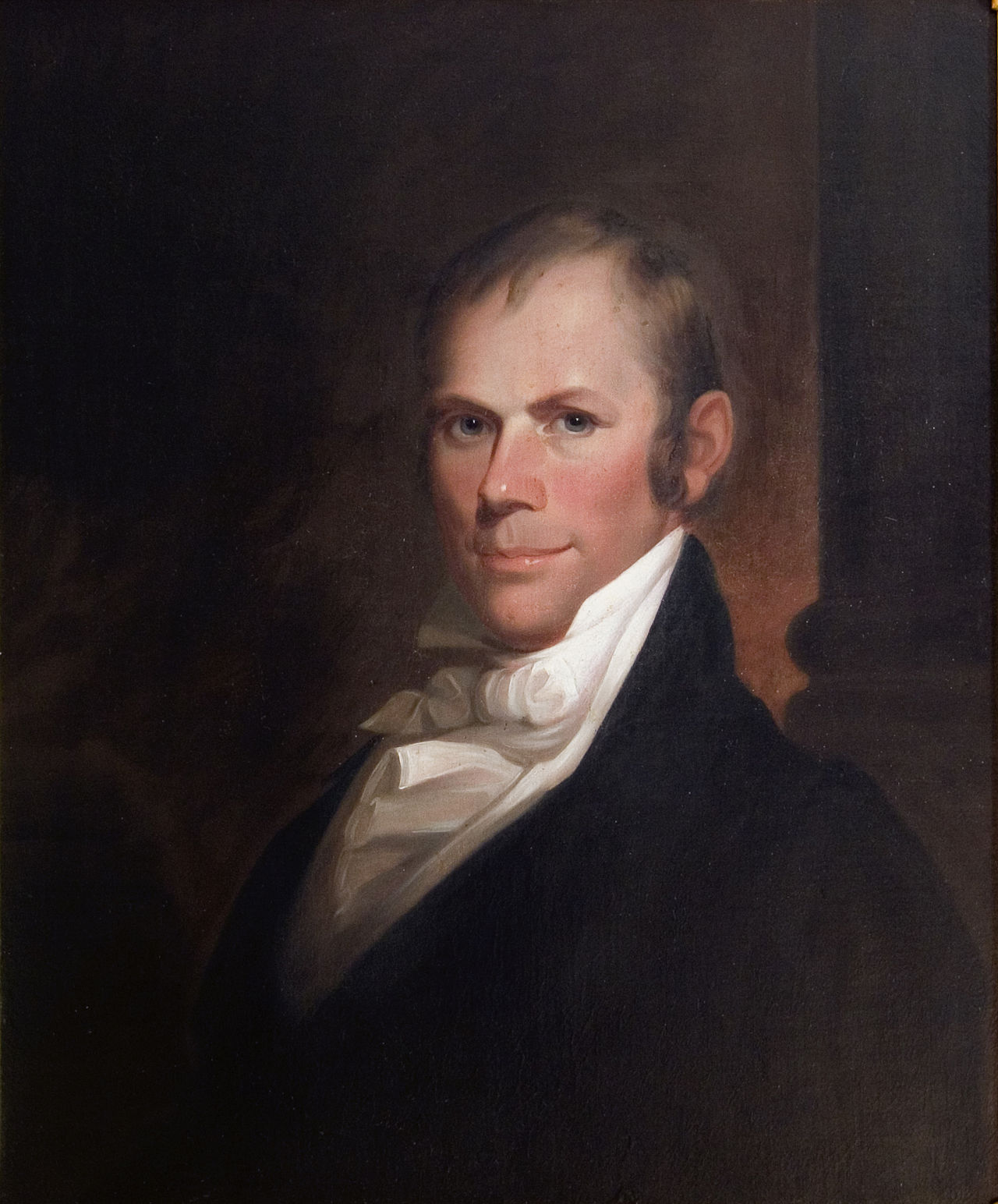


Political career and ideas
Clay rose to national prominence after advocating for war with Britain in the War of 1812, earning him the label of a leader of the “War Hawks.” He championed an economic program known as the American System, which promoted internal improvements, a protective tariff, and a national bank to foster commerce and development. Initially aligned with the Democratic-Republican Party, he later played a central role in founding the Whig Party as an opposition movement to Andrew Jackson. His national prominence was marked by repeated campaigns in which he ran for President but never succeeded in winning the office.
Offices and campaigns
During a long public life Clay held major national posts and sought the presidency several times. Notable positions and bids include:
- Speaker of the House (multiple terms)
- U.S. Senator
- Secretary of State
- Presidential campaigns in 1824, 1832 and 1844 — each notable in shaping party alignments and issues of the day (presidential bids)
Compromises, slavery, and legacy
Clay came to be called the “Great Compromiser” for his role in major legislative agreements intended to reduce sectional tension. He helped fashion the Missouri Compromise (1820) and later the Compromise of 1850, measures that attempted to balance free and slave state interests. Those compromises are often cited as key steps in the period leading to the Civil War, because they delayed open conflict while leaving underlying issues unresolved. Clay himself was a slaveholder, and his political positions reflected a desire to preserve the Union through negotiation rather than radical reform; scholars note his complex and sometimes contradictory stances on slavery and gradual emancipation efforts.
Importance and historical assessment
Historians rank Henry Clay among the most effective legislators of his era for his leadership in Congress, his ability to broker deals across regional divides, and his role in organizing new political coalitions. He was instrumental in shaping early 19th-century American policy and party structure, influencing debates over economic development, federal authority, and national unity. Critics fault him for compromises that postponed resolution of moral and political conflicts; supporters praise his pragmatic efforts to avoid national rupture. For further reading about his life and influence see collections of his speeches and biographies that explore both his public achievements and personal contradictions.
For additional context and primary sources, consult collections of congressional records and specialist studies on the political life of Clay, his relationship to British policy and the compromises over slavery, and his long-term impact on American governance. Useful entry points include archival materials on the legislative history he shaped and analyses of 19th-century party politics available through academic repositories and historical societies.
Questions and answers
Q: Who was Henry Clay, Sr.?
A: Henry Clay, Sr. was an American politician from Kentucky.
Q: In what political offices did Henry Clay, Sr. serve?
A: Henry Clay, Sr. served in the House of Representatives (as Speaker), in the Senate, and was Secretary of State.
Q: Did Henry Clay, Sr. ever become President of the United States?
A: No, Henry Clay, Sr. ran for President several times but never won.
Q: What was Henry Clay, Sr.'s position on the War of 1812?
A: Henry Clay, Sr. wanted the United States to fight the British in the War of 1812.
Q: What was the Whig Party and Henry Clay, Sr.'s involvement with it?
A: The Whig Party was started by Henry Clay, Sr. to oppose Andrew Jackson.
Q: What compromises did Henry Clay, Sr. help pass regarding slavery leading up to the Civil War?
A: Henry Clay, Sr. helped pass the Missouri Compromise and the Compromise of 1850.
Q: How is Henry Clay, Sr. regarded in United States history?
A: Henry Clay, Sr. is considered to be one of the greatest Senators in United States history.
Related articles
Author
AlegsaOnline.com Henry Clay: American statesman and architect of mid-19th century compromise Leandro Alegsa
URL: https://en.alegsaonline.com/art/120519
Sources
- bookrags.com : "Henry Clay"
- books.google.com : Henry Clay, Volume 1
- womeninkentucky.com : "Madeline McDowell Breckenridge (Women in Kentucky – Reform)"