
Know-Nothing Party (American Party): mid-19th century nativist movement
Mid-1850s American nativist political movement, formally the American Party, known for anti-Catholicism, secretive rituals and brief electoral success before collapse over slavery.
The Know-Nothing movement, most commonly called the Know-Nothing Party and formally organized as the American Party, was a nativist political force in the United States that reached prominence in the mid-1850s. Its supporters favored native-born Protestant interests and opposed the influence of recent immigrants and of the Roman Catholic Church. The sobriquet "Know-Nothing" came from the movement's secretive practices and the common ritual in which members, when asked by outsiders about the group’s activities, were instructed to reply, "I know nothing." Many of the movement's organizations originally functioned as semi-secret lodges and societies rather than conventional political clubs. nativist movement
Image gallery
10 Images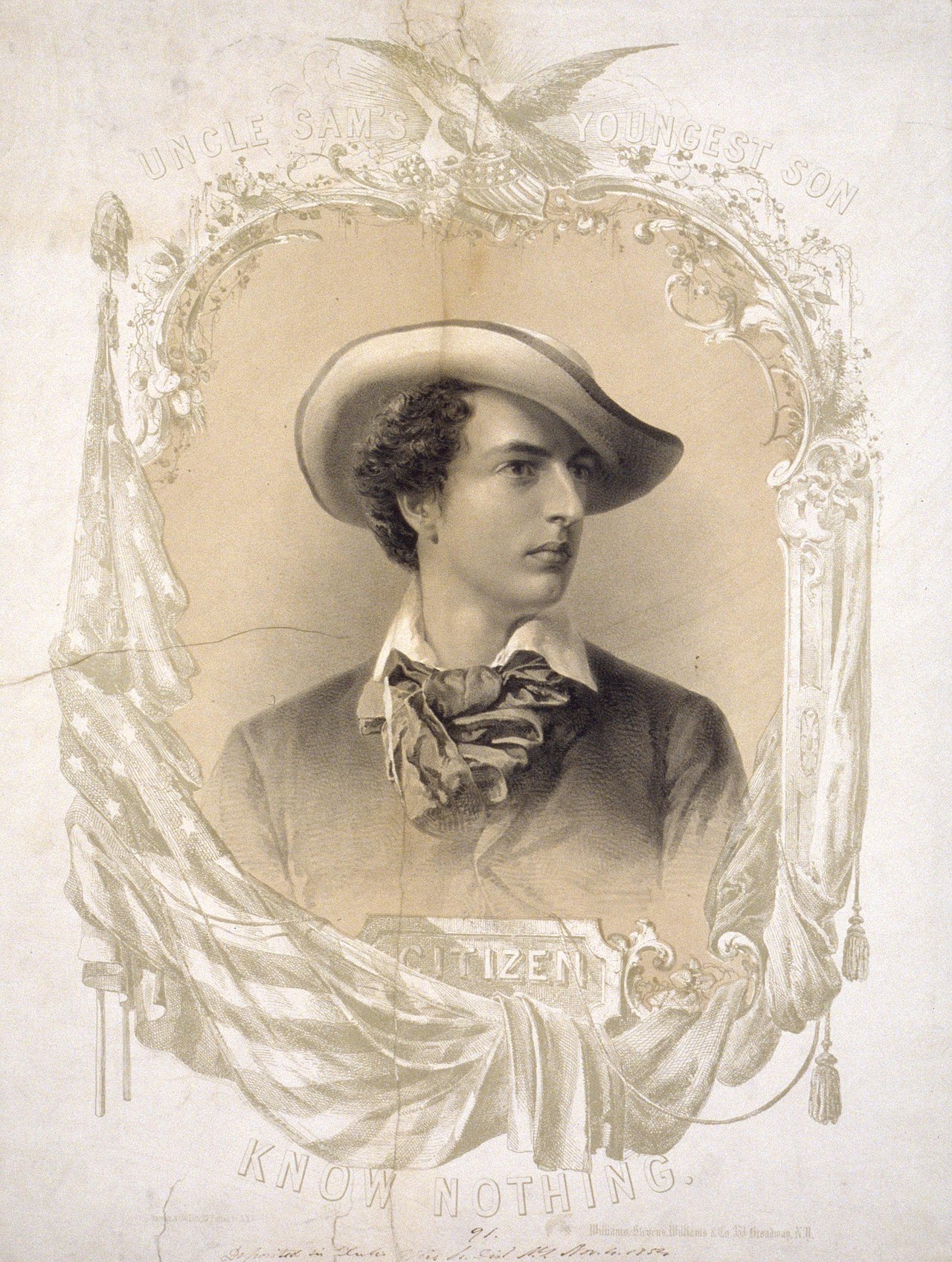






Beliefs, goals and organization
The party foregrounded concerns that large-scale immigration and the political activity of Catholics would alter American institutions and loyalties. Prominent themes included a belief in a perceived "Romanist" plot to sway American politics, a preference for Protestant cultural norms, and proposals to limit immigrant political power. In practice the movement advocated measures such as longer periods before immigrants could become citizens and hold office, stricter controls on naturalization, and restrictions on political appointments to favor native-born citizens. Its internal structure combined grassroots chapters with secret initiation ceremonies, oaths, and coded responses that reinforced group identity.
- Secret societies: Local lodges and orders were common and gave the movement an aura of exclusivity.
- Policy aims: Immigration restriction, longer naturalization, and limits on influence by clergy in politics.
- Base: Many supporters were urban and small-town Protestants uneasy about new Catholic immigrants.
Rise to political prominence
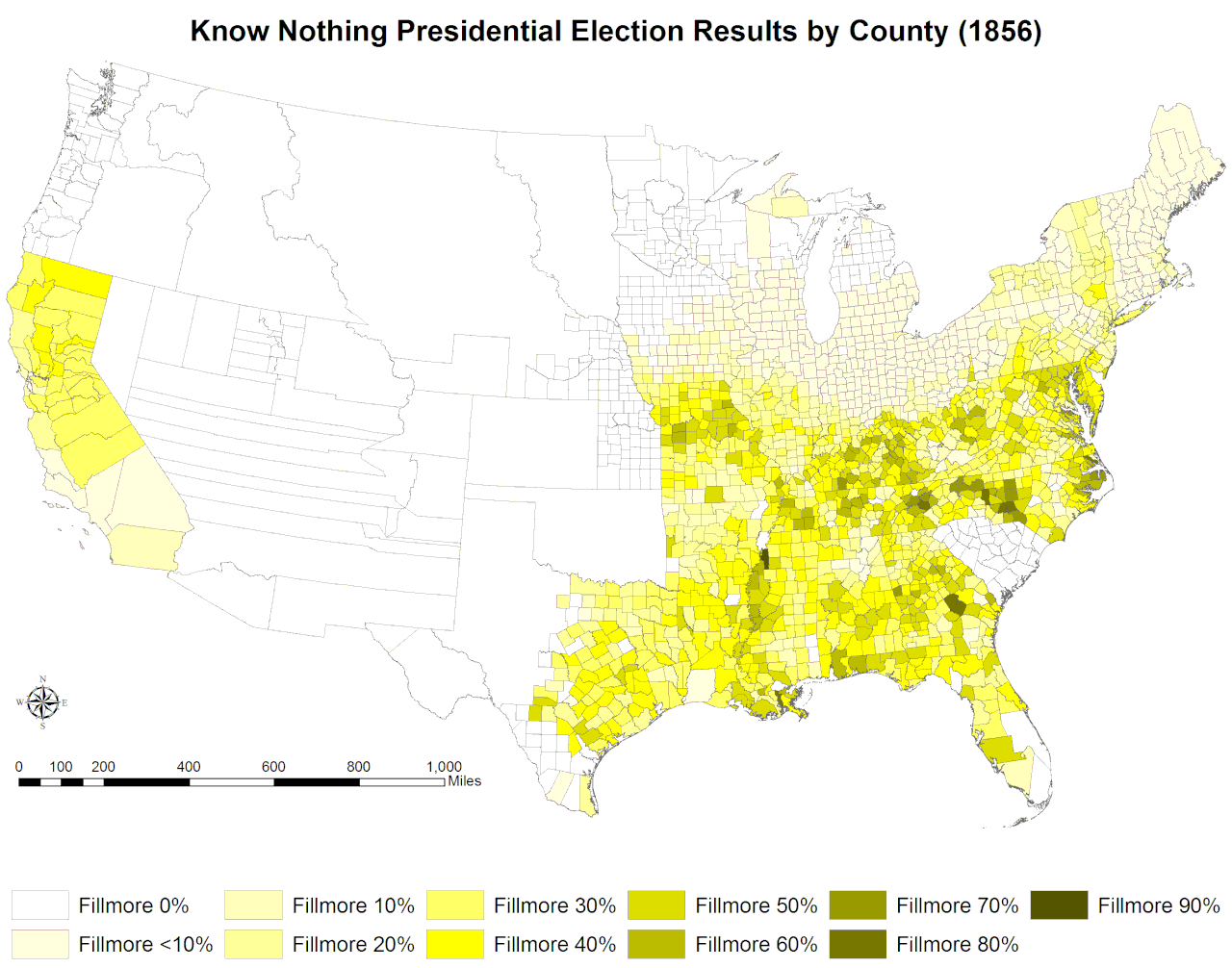
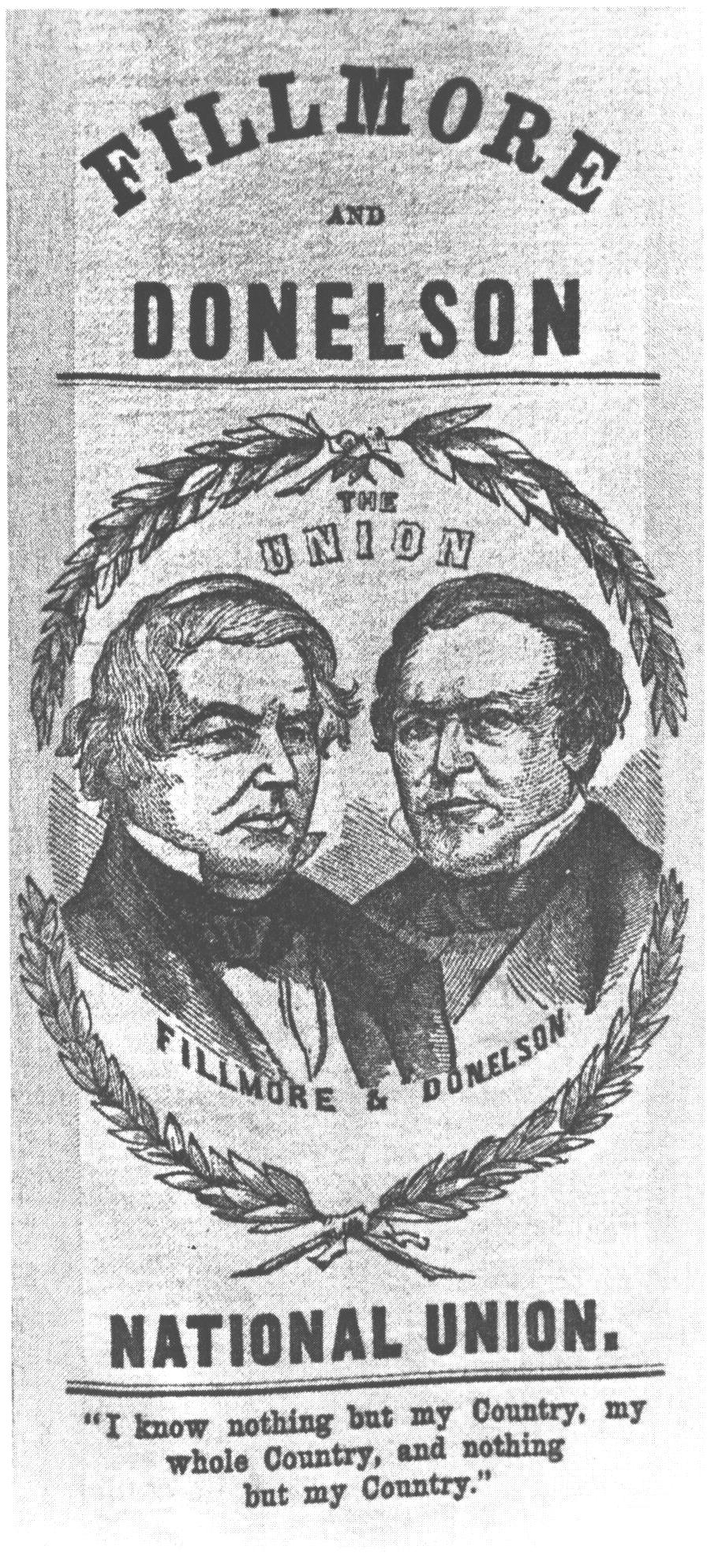
The rapid decline of the Whig Party after disputes over territorial expansion and slavery left a political opening in the mid-1850s. The Know-Nothings converted local and state-level enthusiasm into electoral success in 1854 and elected a number of congressmen, including Nathaniel P. Banks in Massachusetts, who became a symbol of their short-term strength. In many places the movement attempted to consolidate its gains by creating a national organization known as the American Party. The party sought to position itself as an alternative to both Democrats and the emerging Republican Party and in 1856 nominated former president Millard Fillmore for the presidency; Fillmore ran with limited public endorsement of the party label and finished behind the major party nominees while capturing a significant minority of the vote. immigration policy
Regional differences and the slavery divide
Although anti-immigrant and anti-Catholic sentiment defined the movement in many Northern and urban areas, its character varied by region. Southern members often emphasized party unity and opposition to Democrats rather than anti-Catholic agitation, and some Southern Know-Nothings accepted or supported slavery. The national party's cohesion was strained by the intensifying sectional crisis over slavery. Debates about whether to accommodate pro-slavery or anti-slavery positions created deep rifts. The 1857 Supreme Court decision in Dred Scott v. Sandford and the growing polarization of the late 1850s drew many Northern Know-Nothings toward the Republican Party, while other former members sought refuge in fusion movements or regional alternatives. regional politics
Decline and legacy
The American Party's prominence was brief. Internal divisions, the inability to build durable national leadership, and the overriding national issue of slavery caused the party to fragment soon after the 1856 election. By 1860 many former Know-Nothings had joined other parties — in the North, often the Republicans; elsewhere some backed the Constitutional Union Party that ran in 1860. Historians view the Know-Nothings as an important example of mid-19th-century nativism in the United States: a movement that reflected anxieties about immigration, religion, and cultural change and that influenced later debates about citizenship and immigration policy. Their rise and fall also illustrate how sectional issues can override single-issue movements. historical assessments anti-Catholicism
For further summaries and primary-source collections relating to the movement and its political campaigns, consult specialized bibliographies and digitized archives that gather party platforms, newspaper reports, and speeches from the 1850s. These materials show both the immediate appeal of Know-Nothing rhetoric to many voters and the limits of a politics based principally on exclusion and suspicion. nativist movement and regional politics remain useful entry points for readers exploring how the party fit into broader changes in antebellum American politics.
Questions and answers
Q: What was the American Party commonly known as?
A: The American Party was commonly known as the Know-Nothing Party.
Q: What did members of the movement reply when asked about its specifics by outsiders?
A: Members of the movement would reply "I know nothing" when asked about its specifics by outsiders.
Q: What were some of the beliefs held by Know-Nothings?
A: Know-Nothings believed that a "Romanist" conspiracy was in progress, trying to undermine civil and religious liberty in the United States, and wanted to politically organize native-born Protestants in defense of their traditional religious and political values. They also feared that Catholic priests and bishops would control a large amount of voters.
Q: How long did Know-Nothingism last before it disintegrated?
A: In most places, Know-Nothingism lasted only a year or two before disintegrating due to weak local leaders, few publicly declared national leaders, and a deep split over the issue of slavery.
Q: What party did many remaining members support in 1860 presidential election?
A: Many remaining members supported the Constitutional Union Party in the 1860 presidential election.
Q: Who was nominated for president by the American Party during 1856 election?
A: The American Party nominated former President Millard Fillmore during 1856 presidential election.
Q: What percentage of popular vote did Fillmore receive during 1856 presidential election?
A: Fillmore received 21.5% of popular vote during 1856 presidential election.
Related articles
Author
AlegsaOnline.com Know-Nothing Party (American Party): mid-19th century nativist movement Leandro Alegsa
URL: https://en.alegsaonline.com/art/54019