
Andrew Jackson: Military Leader, President, and Contested Legacy
Overview of Andrew Jackson (1767–1845), his military career, presidency, policies, and the controversies — including Indian removal, the Bank conflict, and his lasting place in U.S. history.
Overview
Andrew Jackson (1767–1845) was an American military leader and politician who served as the seventh president of the United States. Known by the nickname Old Hickory, he emerged as a national figure after success in the War of 1812 and later became a dominant, polarizing force in early 19th‑century American politics. His career reshaped the presidency and the political party system.
Image gallery
10 Images




Early life and military career
Jackson grew up on the frontier and trained as a lawyer before gaining national attention in the War of 1812. As a general, he led American forces to victory at the Battle of New Orleans and developed a reputation for toughness and decisive action. This military fame helped launch his political rise and remains a central part of his public image. For more on his military role, see War of 1812 leadership.
Presidency and policies
Jackson served two terms as president and is often described as a founder of the modern Democratic movement. He expanded the use of the presidential veto and asserted strong executive authority. His administration pursued populist appeals to white male voters, implemented the so‑called spoils system in government appointments, and confronted entrenched financial interests in a high‑profile struggle over the national bank. For discussion of his party leadership and presidency, consult the Democratic tradition and presidential records.
Controversies and consequences
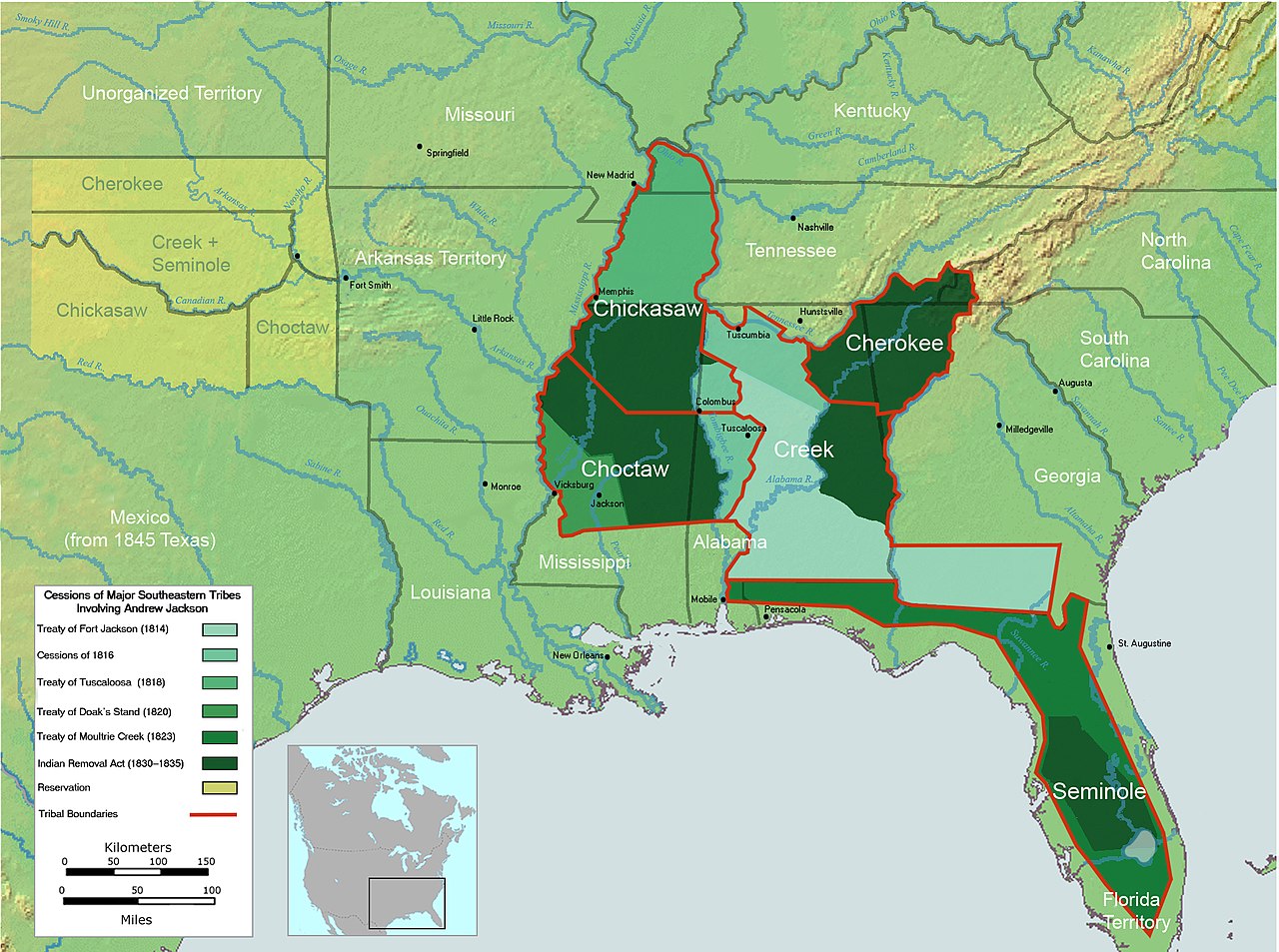
Jackson's legacy is deeply contested. He was a slaveholder and a plantation owner, and he supported policies that removed Native American nations from lands east of the Mississippi. The Indian Removal Act and the forced relocations that followed — commonly known as the Trail of Tears — caused great suffering and are widely regarded as grave injustices. His use of presidential power and partisan tactics provoked strong opposition, including the Nullification Crisis and battles with banking interests. For accounts of removal policies and their effects, see Indian removal and historical summaries at Trail of Tears resources.
Notable facts and lasting impact
- Jackson promoted the idea of a more directly democratic electoral politics and helped solidify the two‑party system; readers can explore that influence via biographical overviews.
- He famously opposed the Second Bank of the United States, a conflict often cited in discussions of executive power and economic policy; see bank controversy.
- His portrait appears on the twenty‑dollar bill, reflecting his prominent place in national memory; related cultural notes are summarized at currency and commemoration.
Jackson remains a complex historical figure: admired by some for his defense of the Union and expansion of popular political participation, and condemned by others for policies that inflicted harm on Native peoples and upheld slavery. His presidency is an important case study in the growth of executive authority and the contested meanings of democracy in the United States.
Questions and answers
Q: Who was Andrew Jackson?
A: Andrew Jackson was an American politician who served as the seventh president of the United States of America.
Q: When was Andrew Jackson born and when did he die?
A: Andrew Jackson was born on March 15, 1767 and died on June 8, 1845.
Q: What was Andrew Jackson’s nickname?
A: Andrew Jackson’s nickname was "Old Hickory".
Q: What role did Andrew Jackson play in the War of 1812?
A: Andrew Jackson was a General in the War of 1812.
Q: What political party did Andrew Jackson belong to?
A: Andrew Jackson was the first Democrat.
Q: What is the Trail of Tears?
A: The Trail of Tears was a forced relocation of many Native Americans from their homeland to make space for white people to live there, resulting in the deaths of many Native Americans.
Q: What denomination of United States currency features Andrew Jackson?
A: Andrew Jackson is on the twenty dollar bill.
Related articles
Author
AlegsaOnline.com Andrew Jackson: Military Leader, President, and Contested Legacy Leandro Alegsa
URL: https://en.alegsaonline.com/art/114122
Sources
- collegetermpapers.com : President Andrew Jackson the First Democrat
- history.com : "Andrew Jackson narrowly escapes assassination"