
White émigré (Russian exiles after the 1917 Revolution)
People who fled Russia after the 1917 Revolution and Civil War; a social and political category covering anti‑Bolshevik soldiers, officials, intellectuals and their communities abroad.
The term White émigré refers to individuals who left Russia in the wake of the 1917 upheavals and the subsequent civil conflict. In English usage it denotes a political category rather than a single social class; it commonly describes political opponents of the Bolsheviks among Russian people who departed during and after the Russian Revolution and Civil War. The phrase is derived from the White movement that fought the Bolshevik (Red) forces.
Image gallery
7 Images



Overview
White émigrés included a wide range of backgrounds: former imperial officers, administrators, landowners, clergy, business figures, artists, and members of the intelligentsia. Many were united by opposition to Bolshevik rule, but they did not form a single political program. The category emphasizes exile and political identity rather than a fixed class or profession.
Origins and migration routes
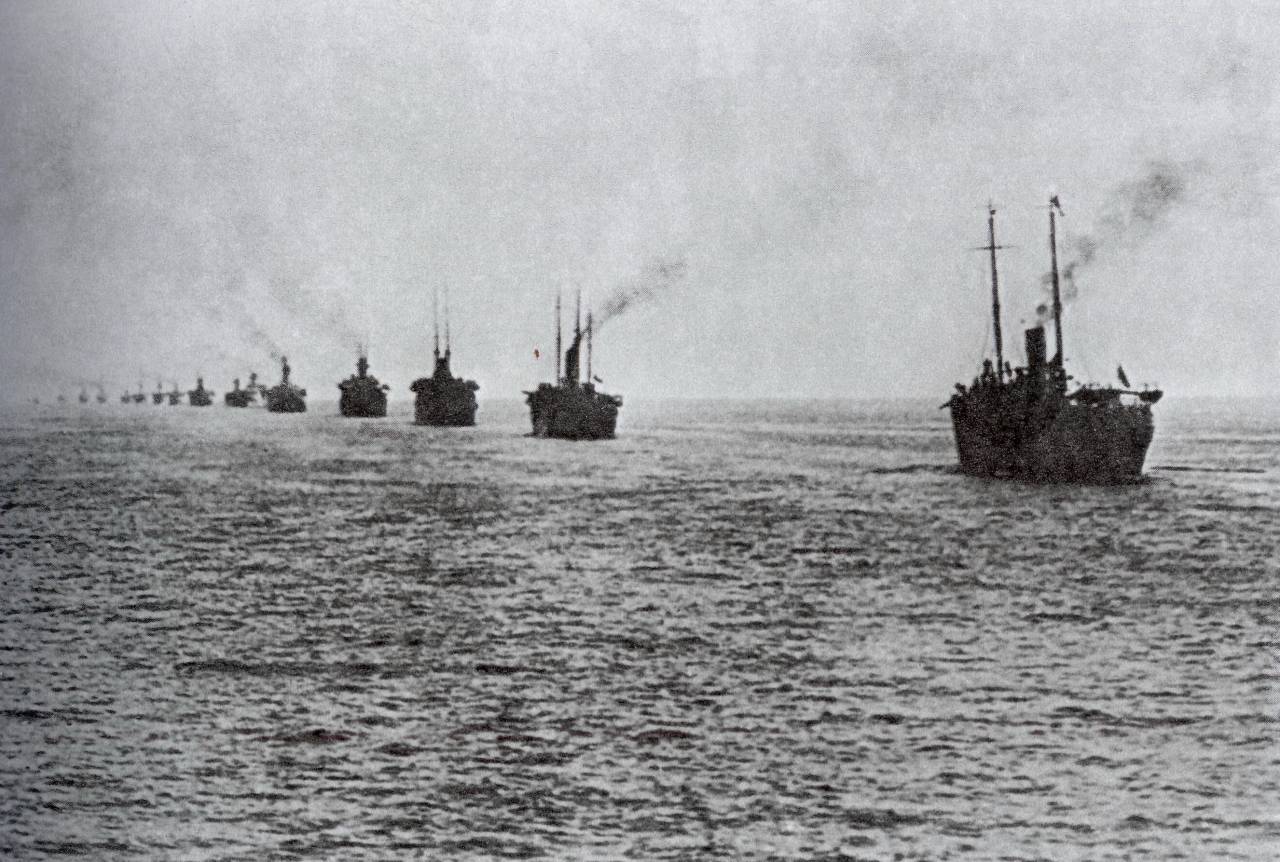
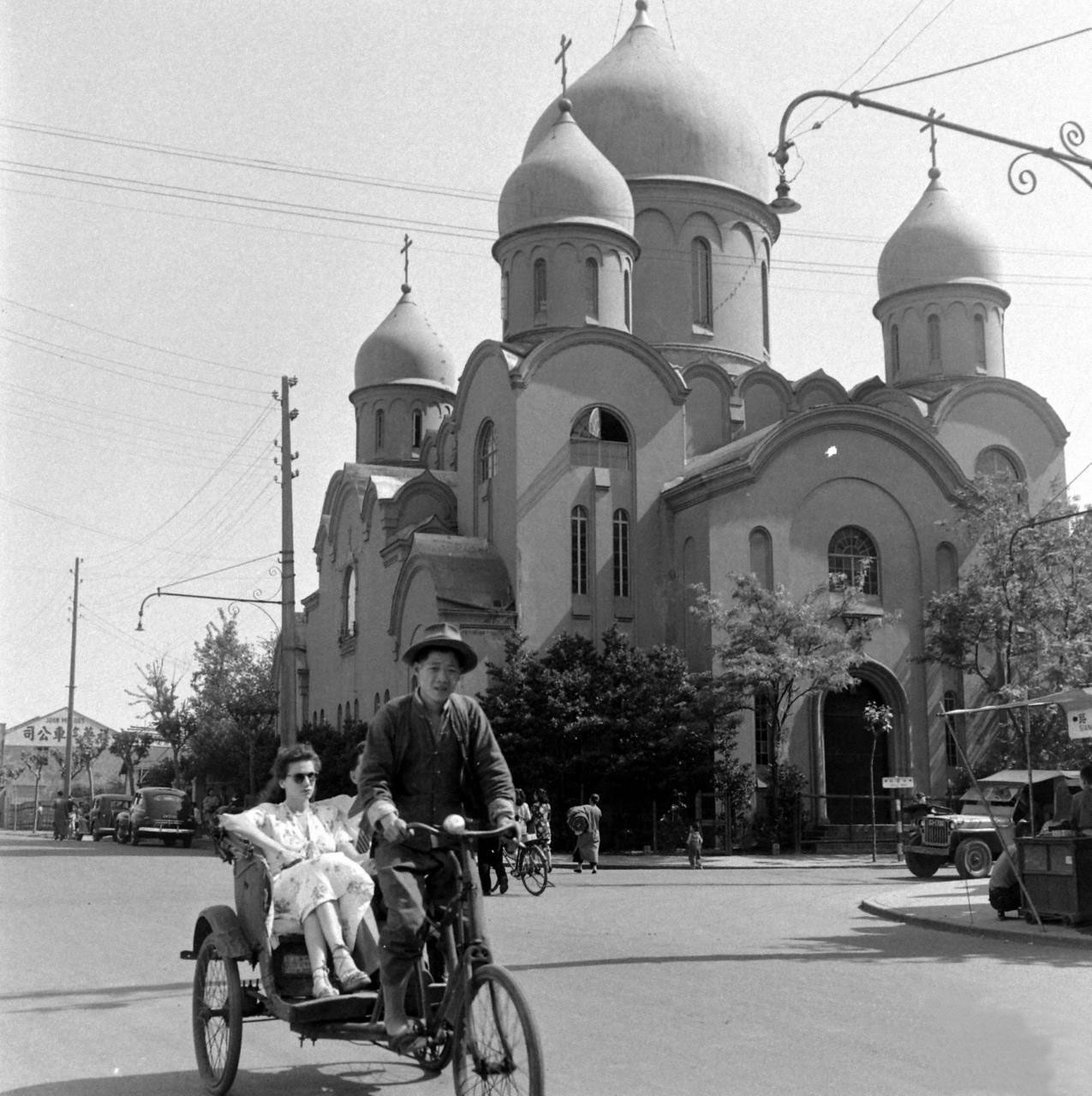
Mass departures began in 1917–1920 as civil fighting, political repression and economic collapse made return impossible for those on the losing side. Refugees travelled by sea, rail and overland routes to destinations across Europe and beyond. Significant concentrations formed in France, the United States and the United Kingdom, as well as in cities such as Istanbul, Prague, Harbin and Shanghai. Over time, communities established networks of aid, clubs, and publishing houses to maintain language and culture abroad.
Communities, culture and activities
- Religious life: many émigrés relied on the Orthodox Church for social support and cultural continuity.
- Publishing and press: newspapers and journals preserved political debate, history and literary life.
- Education and associations: schools, veterans' groups and cultural societies helped new generations retain Russian traditions.
- Occupations: émigrés worked as professionals, artisans, merchants, or in émigré-run businesses while some pursued creative careers in literature, music and visual arts.
Legacy and distinctions
Usage of the label can vary: some writers use it narrowly for those who fled specifically because of the civil war, while others apply it more broadly to anyone who left the country in response to changes in government. The White émigré experience shaped host societies and kept pre‑revolutionary Russian cultural and political traditions alive in exile. Descendants and scholars continue to study their archives, memoirs and organizations to understand both the period and the long-term effects of political exile.
While the term highlights political opposition to Bolshevism, it is not a precise indicator of uniform ideology or destiny: émigré communities were diverse in aims and outcomes, and their histories are a key part of twentieth‑century migration and cultural exchange studies.
Questions and answers
Q: What is a white émigré?
A: A white émigré is a political term used to describe Russian people who left Russia due to the Russian Revolution or Civil War.
Q: In which countries is the term used?
A: The term is used in France, the United States and the United Kingdom.
Q: Does the term only refer to those who left because of changes in government?
A: No, sometimes it can also be used to describe everyone who left Russia for any reason.
Related articles
Author
AlegsaOnline.com White émigré (Russian exiles after the 1917 Revolution) Leandro Alegsa
URL: https://en.alegsaonline.com/art/107812
Sources
- orthodoxinfo.com : "The Meaning of the Russian Diaspora"