
Wester Ross (Northwest Highlands, Scotland)
Wester Ross is a rugged, scenic region of the northwest Highlands of Scotland, known for Torridonian mountains, sea lochs, crofting communities, wildlife and extensive outdoor recreation.
Wester Ross is a largely rural district in the northwest Highlands of Scotland, occupying the western watershed of the historic county of Ross. The area is celebrated for dramatic coastal inlets, islands and a chain of high, often steep mountains. While modern administrative boundaries have changed over time, the name Wester Ross remains in common use to describe this distinctive landscape and its dispersed communities.
Image gallery
10 Images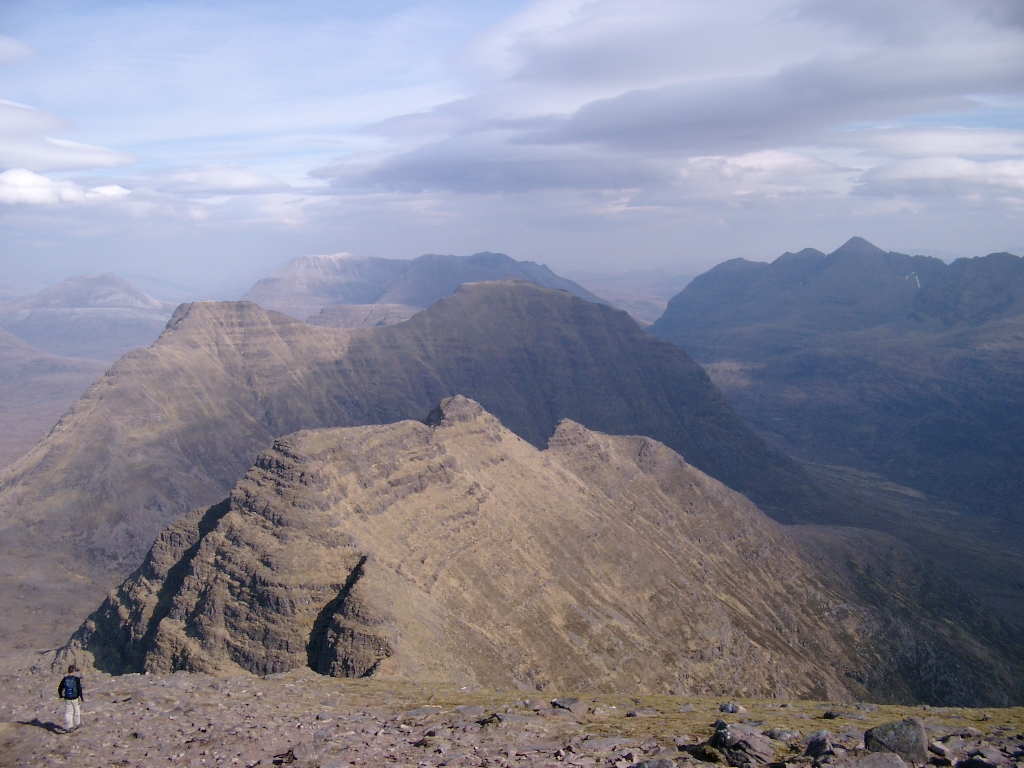





Landscape and geography
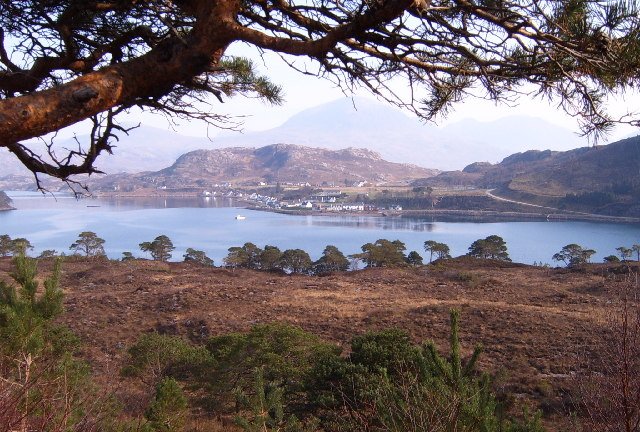
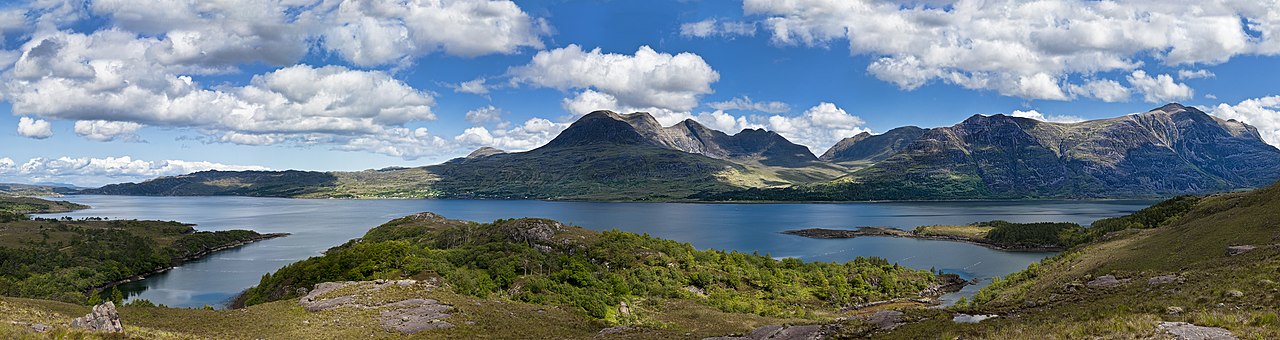
The terrain is a mix of rugged peaks, glacially carved valleys, peatlands and complex shorelines with many sea lochs and peninsulas. Notable mountain groups include the Torridonian peaks and ranges around Applecross and Shieldaig. The coastline alternates between sheltered bays and sheer cliffs, and the region contains many small islands and skerries that support marine life and seabirds.
Geology
Much of the high ground in Wester Ross is formed from very old rocks: Lewisian gneiss underlies the area, and extensive Torridonian sandstone—deposited in the Neoproterozoic—forms the steep, blocky summits and cliffs that are characteristic of the region. Successive ice ages sculpted the bedrock, producing corries, ridges and deep sea lochs.
History and communities
Humans have occupied Wester Ross for millennia; evidence of prehistoric settlement, Norse influence and later Gaelic-speaking crofting communities are all present. Small towns and villages such as Ullapool, Gairloch and Kinlochewe serve as local centres. Traditional activities included fishing, crofting and small-scale forestry; cultural life retains Gaelic place names and local customs.
Uses, wildlife and recreation
Wester Ross is a popular destination for hillwalking, mountaineering, wildlife watching and sea-based activities. The area supports populations of golden eagle, red deer, otter and marine mammals, and its lochs and moors are important for biodiversity. Attractions are often promoted for low-impact tourism, with a network of trails, bothies and marked routes used by visitors.
Conservation, transport and modern issues
The region contains nationally important conservation sites and several protected designations aimed at preserving scenery and habitats. Transport is provided by a network of single-track roads, a few bus links and ferry services that connect peninsulas and islands; infrastructure and seasonal visitor pressure are ongoing local concerns alongside efforts to sustain rural economies.
Further information and resources
- Regional overview and administration
- Ross and Cromarty county references
- Local community and tourism guidance
- Northwest Highlands regional page
- Scenic routes and viewpoints
- Mountain and climbing information
- Precambrian geology summaries
- Rock types and geological maps
- Torridonian sandstone formation
- Neoproterozoic era context
- Natural history and wildlife notes
- Conservation and protected areas
Related articles
Author
AlegsaOnline.com Wester Ross (Northwest Highlands, Scotland) Leandro Alegsa
URL: https://en.alegsaonline.com/art/107478
Sources
- books.google.com : The geology of Scotland