
Ross and Cromarty: North Highlands region of Scotland
Overview of Ross and Cromarty in Scotland's North Highlands: rugged coastlines, inland lochs, mountains and small towns, with outdoor activities, wildlife and historic boundaries now within the Highland council area.
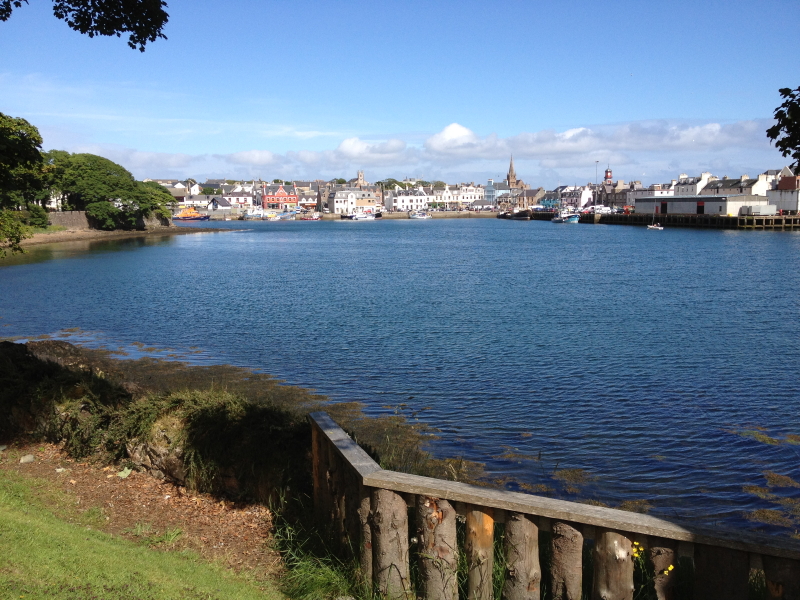
Ross and Cromarty is a region in the north of the Highlands of Scotland. It is known for a long, rugged coastline, many inland lochs and glens, and a landscape that includes a large number of mountains. Compared with much of lowland Britain, the area is sparsely populated, with a pattern of small towns and villages rather than large urban centres.
Image gallery
10 Images




Geography
The area covers coastal plains, peninsulas and high ground that forms part of the North West Highlands. Sea lochs cut deep into the land, and the interior contains steep hills and plateaux. Several mountain ranges and numerous individual peaks are found here, including hills classified as Munros and Corbetts.
Settlements and population
Population is concentrated in a number of small towns and service centres, with many smaller settlements scattered through the countryside. Economic activity is mixed: crofting and hill farming remain important in rural districts, while tourism, local services, fishing and marine industries contribute along the coast.
History and administration
The name reflects the historic counties of Ross and Cromarty. Local government reorganisation in the late 20th century changed administrative boundaries: the area that people commonly call Ross and Cromarty is now administered within the wider Highland council area, though the historic name remains in use for cultural and geographic reference.
Nature and recreation
Ross and Cromarty attracts outdoor enthusiasts for walking, climbing and wildlife watching. Its varied habitats include moorland, peat bogs, freshwater lochs and coastal environments that support a range of plants and animals. Conservation designations protect parts of the landscape and important species.
Further information
- If you are researching the region, consult maps and local council resources for up-to-date administrative boundaries and services.
- Guides to hiking and mountain lists identify popular routes and peaks for visitors; check weather and safety advice before setting out.
Related articles
Author
AlegsaOnline.com Ross and Cromarty: North Highlands region of Scotland Leandro Alegsa
URL: https://en.alegsaonline.com/art/84209