
Western Canada: provinces, geography, economy and regional distinctions
Overview of Western Canada covering its provinces, optional northern territories, major landscapes, economy, population centres, Indigenous presence and regional definitions.
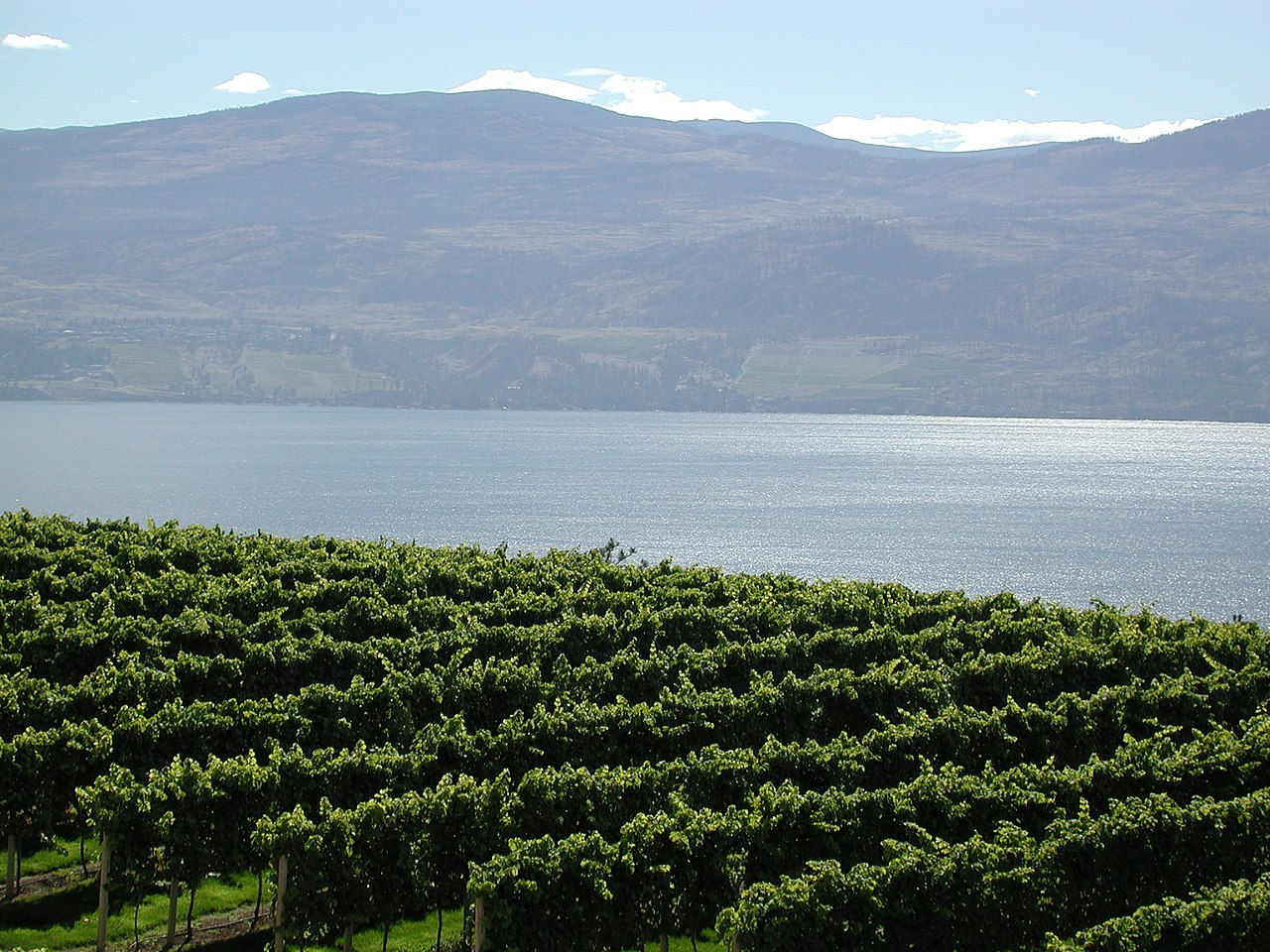
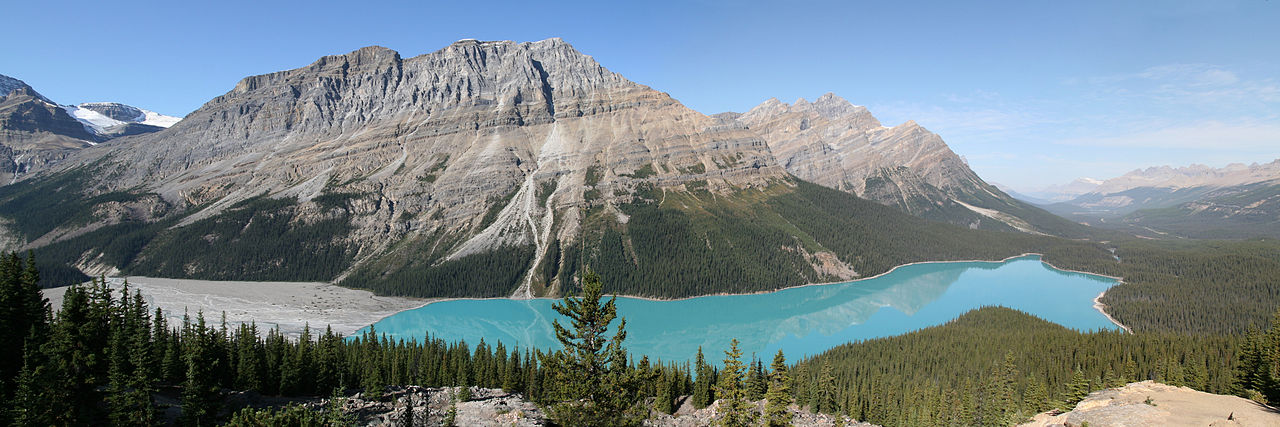
Western Canada commonly refers to the western portion of Canada. In most uses it comprises four provinces on the country’s western flank: British Columbia, Alberta, Saskatchewan and Manitoba. The term is geographic and cultural rather than an administrative unit, and definitions vary depending on context. The region displays a wide range of climates and landforms, from Pacific coastline and temperate rainforest to the Coast and Rocky Mountains, boreal forest and vast interior plains.
Image gallery
9 Images





Political divisions and common groupings
The four provinces most often identified as part of Western Canada are:
- British Columbia — the westernmost province, with a long Pacific coastline, temperate rainforest and major ports.
- Alberta — an inland province with significant energy, agricultural and services sectors.
- Saskatchewan — known for its extensive prairie and grain production.
- Manitoba — a province of lakes, rivers and mixed prairie and boreal regions.
Alberta, Saskatchewan and Manitoba are often grouped as the historic Prairie Provinces. Some definitions of Western Canada also include the territories — Yukon, Northwest Territories and Nunavut — though those territories are frequently treated together as Northern Canada because of their distinct climates, sparse settlement and different governance challenges.
Landscape, climate and environment
Western Canada encompasses strong environmental contrasts. The Pacific coast and nearby islands have mild, wet winters and extensive old-growth rainforest. Moving inland, the Coast and Rocky Mountains create dramatic elevation changes, alpine ecosystems and watersheds that feed major rivers. East of the mountains lie the interior plains and prairies: fertile soils that support large-scale grain and oilseed farming. Boreal forest stretches across northern reaches, supporting forestry and wildlife habitat. Climate varies from maritime on the coast to continental in the interior and subarctic in northern areas.
Economy, transport and urban centres
The regional economy blends natural-resource industries — forestry, fishing, mining, and oil and gas — with agriculture, manufacturing, logistics and growing service and technology sectors in urban centres. Pacific ports facilitate trade with Asia, while transcontinental railways and highways link interior production to national and international markets. Major cities such as Vancouver, Calgary and Winnipeg act as cultural and transportation hubs and attract immigration, investment and innovation.
People, history and governance
Indigenous peoples with long-established nations and cultures inhabit every part of Western Canada; their languages, rights and stewardship roles are central to contemporary social and political life. European settlement accelerated in the late 19th and early 20th centuries with railway expansion and agricultural immigration, shaping settlement patterns and provincial boundaries. Today the region includes a mix of urban, rural and Indigenous communities, with provincial governments responsible for many public services and land-use decisions.
Because "Western Canada" is a flexible descriptor, writers and policymakers usually specify whether they mean only the four western provinces or a broader area that includes the northern territories. This distinction matters for discussions of climate, infrastructure, economic policy and Indigenous relations.
- Geography: from Pacific coast rainforests and mountains to interior plains and boreal forests.
- Economy: resource-based industries combined with agriculture, services and growing urban economies.
- Regional terms: "Prairie Provinces" for Alberta, Saskatchewan and Manitoba; "Northern Canada" commonly denotes Yukon, Northwest Territories and Nunavut.
Related articles
Author
AlegsaOnline.com Western Canada: provinces, geography, economy and regional distinctions Leandro Alegsa
URL: https://en.alegsaonline.com/art/107496