
West Indian manatee (Trichechus manatus): biology, range, and conservation
Overview of the West Indian manatee, its taxonomy, appearance, habitat, behavior, threats, and conservation measures for the Florida and Antillean populations.
The West Indian manatee (Trichechus manatus), commonly called a "sea cow," is a large, slow-moving aquatic mammal and the biggest living member of the order Sirenia. These herbivorous mammals are related to dugongs and the now-extinct Steller's sea cow. The name and general biology of the species are described in many field guides and summaries; for general identification and basic facts see West Indian manatee overview.
Image gallery
10 Images





Taxonomy and population groups
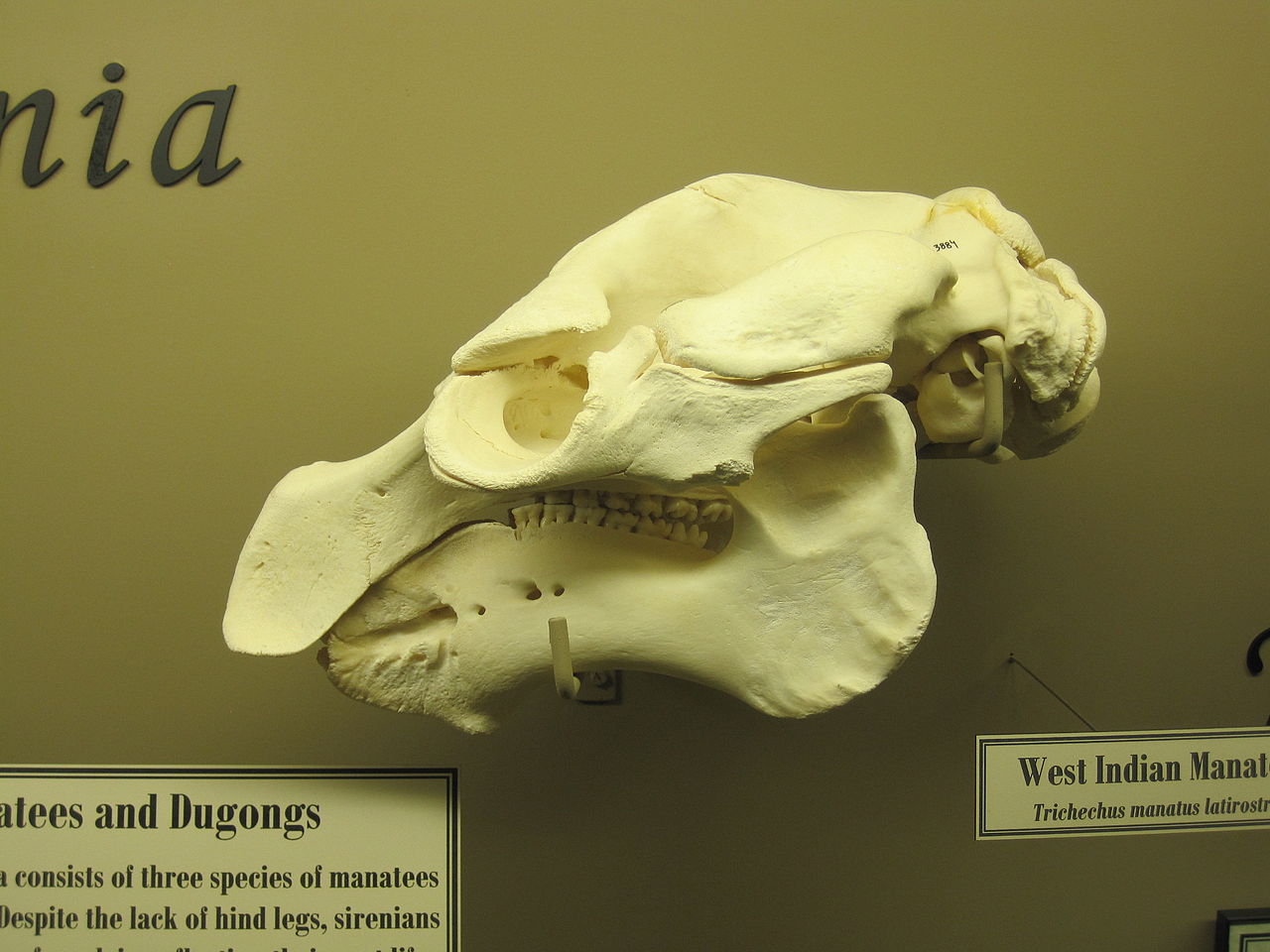
Trichechus manatus is distinct from the Amazonian manatee (T. inunguis) and the African manatee (T. senegalensis). Traditionally it has been divided into two subspecies: the Florida manatee (T. m. latirostris) and the Antillean or Caribbean manatee (T. m. manatus). Recent genetic and population studies suggest the species may be structured into three major groups: (1) Florida and the Greater Antilles, (2) Mexico, Central America and northern South America, and (3) northeastern South America. For taxonomic summaries and recent research updates consult Sirenia taxonomy and regional reviews such as Caribbean population studies.
Physical characteristics and behavior
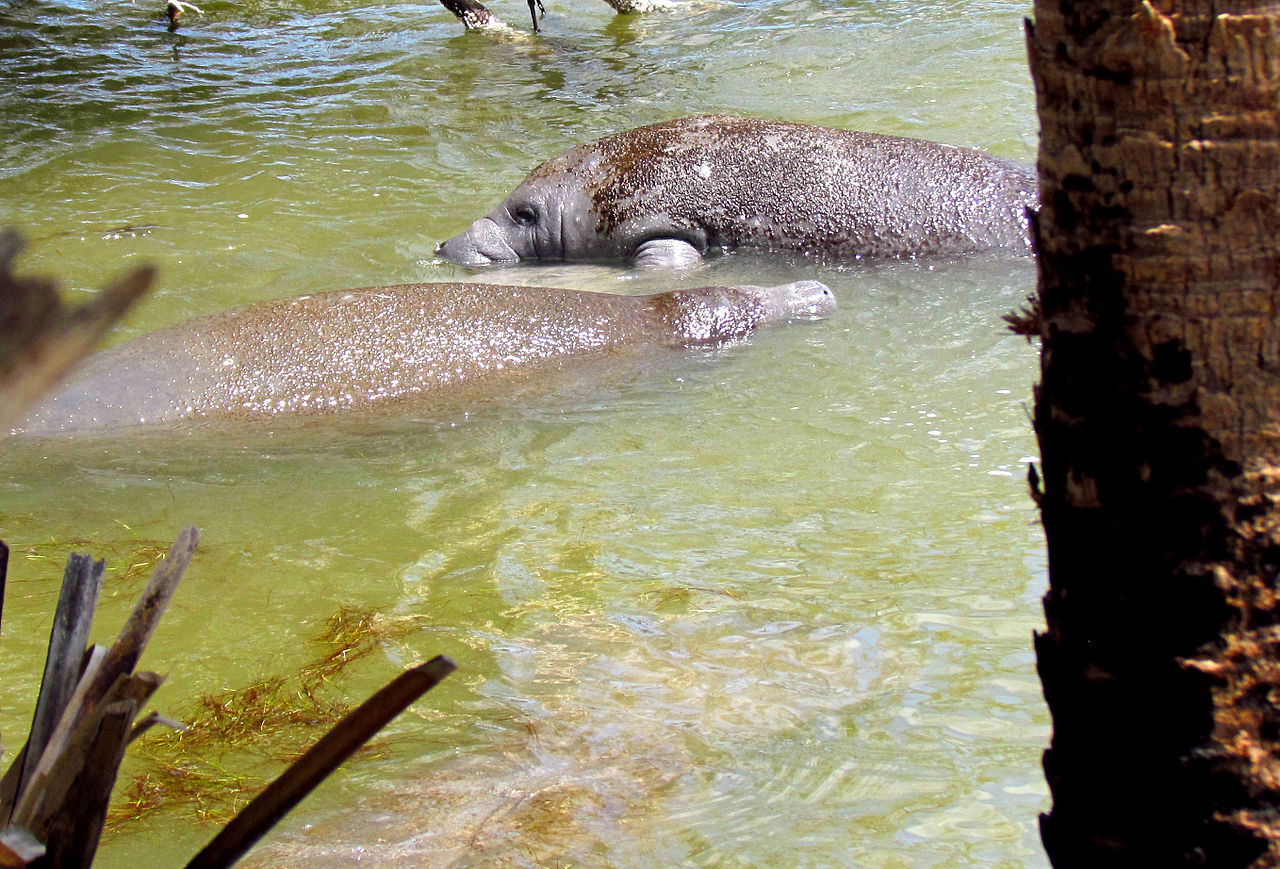
West Indian manatees have a large, rounded body, paddle-like flippers, and a broad, flat tail that propels them through the water. They lack dorsal fins and instead show a smooth back. Manatees are herbivores that graze on seagrasses, algae, and other aquatic plants, and they feed in both fresh and brackish waters. Typical behavior includes slow, deliberate movements, long periods of resting, and occasional surfacing to breathe. Social structure is generally loose; individuals may be solitary or form small aggregations at abundant feeding sites or warm refuges. For comparisons with other sirenians see dugong and sirenian differences.
Distribution, habitat and seasonal movements
West Indian manatees are native to coastal and inland waters of the southeastern United States, the Caribbean, and parts of Central and northern South America. In the United States they are best known from Florida, where many animals migrate seasonally to warm springs and power-plant outflows during cold weather. Elsewhere they inhabit mangrove estuaries, river mouths, lagoons, and coastal bays. Local movements are driven by food availability, water temperature, and human disturbance; regional details are summarized in conservation reports and regional management plans available at range and habitat resources.
Diet, reproduction and life history
Manatees are primarily herbivorous and consume large amounts of aquatic vegetation, which shapes coastal ecosystems by influencing seagrass bed health and nutrient cycling. Reproduction is characterized by relatively low birth rates: females typically give birth to a single calf after a long gestation, and maternal care can continue for an extended period. Because of their slow reproductive rate and long lifespan, population recoveries are gradual when threats are reduced. For life-history details and captive-care guidelines see species life history and rehabilitation resources such as rescue and rehab programs.
Threats and conservation
Major threats include collisions with boats and propellers, habitat loss and degradation (especially seagrass decline and loss of warm-water refuges), entanglement in fishing gear, pollution and harmful algal blooms, and cold stress in marginal habitats. Conservation responses combine legal protection, speed zones and boat-traffic regulations, habitat restoration, rescue and rehabilitation of injured animals, and public education. The Florida and Antillean manatee populations are protected under national and regional laws and subject to cooperative conservation programs. For policy, recovery plans and public guidance see government and NGO pages such as conservation policy and threat mitigation resources.
- Notable facts: Manatees play a role in maintaining healthy seagrass ecosystems and are culturally significant in many coastal communities.
- Management: Active measures include speed regulation, habitat protection, monitoring and public outreach to reduce human-related injuries.
- Research needs: Continued genetic studies, population monitoring, and evaluations of habitat quality are important to guide conservation.
Readers seeking more in-depth information or regional guidance should consult the linked resources and regional wildlife agencies for up-to-date status, regulations, and recommended practices around manatee habitats.
Related articles
Author
AlegsaOnline.com West Indian manatee (Trichechus manatus): biology, range, and conservation Leandro Alegsa
URL: https://en.alegsaonline.com/art/107395
Sources
- doi.org : 10.1111/j.1748-7692.1986.tb00034.x
- doi.org : 10.1046/j.1365-294x.1998.00430.x
- pubmed.ncbi.nlm.nih.gov : 9734072
- doi.org : 10.1111/j.1365-294X.2005.02771.x
- pubmed.ncbi.nlm.nih.gov : 16448411