
Wells Gray–Clearwater Volcanic Field — Quaternary Basaltic Volcanism in British Columbia
Young Quaternary basaltic volcanic field in east‑central British Columbia featuring cinder cones, short shields, extensive lava flows and subglacial features around Wells Gray Provincial Park; geology, hazards, research.
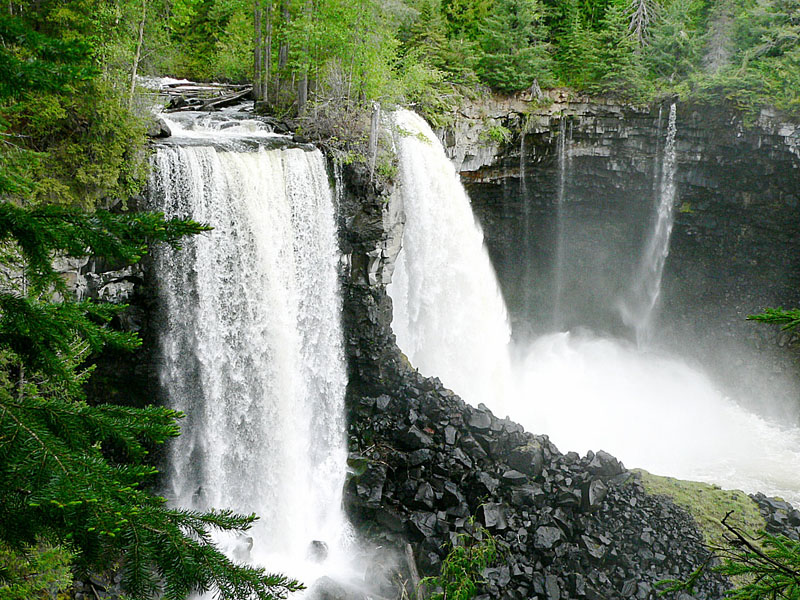
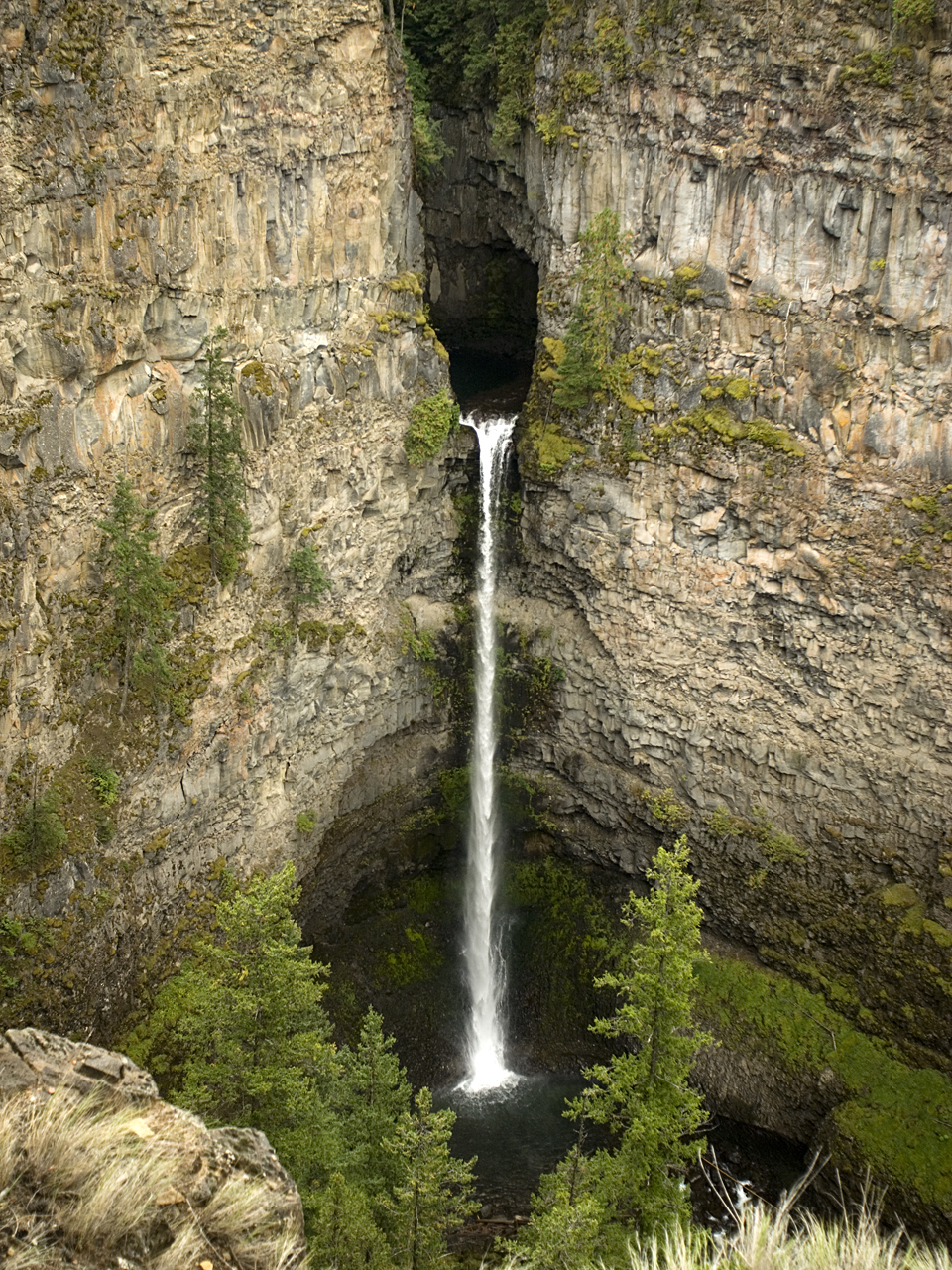
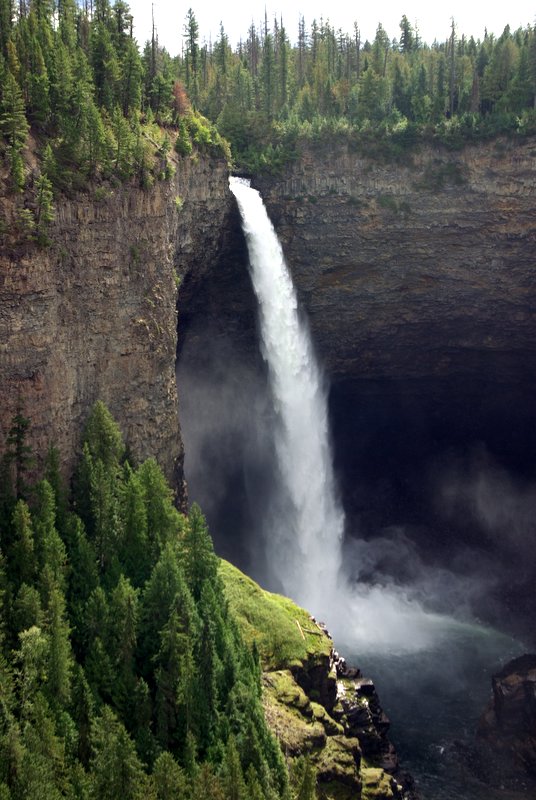
The Wells Gray–Clearwater Volcanic Field is a geologically young volcanic region situated in the east‑central Interior of British Columbia, Canada. It contains numerous small volcanoes, extensive lava flows and related volcanic landforms that stand out across the landscape around Wells Gray Provincial Park.
Image gallery
10 Images



Overview
This volcanic field consists mainly of basaltic centers that produced cinder cones, short shield-like edifices and broad lava flows. Some vents erupted during times when the area was glaciated, producing landforms that record interactions between lava and ice. The rocks are typically mafic in composition, which supports relatively fluid lava able to travel long distances downhill.
Geologic setting and age
Volcanism in the field represents intraplate magmatic activity within the complex tectonic environment of western Canada. The timing of eruptions spans the Quaternary — many features are Pleistocene in age, and a subset formed during the Holocene. Radiometric dating and field studies indicate that at least some flows are geologically recent, although precise eruption dates remain uncertain for many vents.
Volcanic landforms
- Cinder cones and scoria deposits produced by fire‑fountaining eruptions.
- Sheet and pāhoehoe–type lava flows that filled valleys and covered older surfaces.
- Subglacial and ice‑contact volcanic features where lava erupted beneath or against glaciers.
Eruptive history and hazards
Most activity in the Wells Gray–Clearwater field has been low to moderate in explosivity, reflecting the mafic chemistry of erupted magmas. Potential hazards from renewed eruptions would likely include lava flows that can travel along existing drainages, local tephra fall, and volcanic gases. The region is sparsely populated, which reduces the immediate risk to large communities, but recreational users, park infrastructure and local travel routes could be affected by future events.
Monitoring and research
Canadian geological agencies and academic researchers have mapped the field, dated volcanic units where possible, and studied its landforms to interpret eruption processes and ages. Monitoring of remote volcanic areas in Canada is more limited than in some other countries; scientists recommend targeted studies and geophysical monitoring to improve early‑warning capabilities should activity resume.
Access and conservation
Many volcanic features are accessible from roads and trails near Wells Gray Provincial Park, which protects significant natural and scenic values in the area. Visitors should respect park regulations and be aware that volcanic terrain can include unstable ground and other natural hazards.
Related articles
Author
AlegsaOnline.com Wells Gray–Clearwater Volcanic Field — Quaternary Basaltic Volcanism in British Columbia Leandro Alegsa
URL: https://en.alegsaonline.com/art/107221