
Winter storm
An overview of winter storms: how they form, typical characteristics, regional differences, impacts, forecasting and safety considerations.
Overview
Winter storms, often called snowstorms, are meteorological events in which precipitation falls as snow and ice rather than rain. They form where contrasting air masses meet and can range from brief, localized squalls to expansive systems that affect entire regions. A typical winter storm develops when a warm, wet air mass encounters a much colder air body such as a cold air mass, producing clouds and snowfall over large areas.
Image gallery
10 Images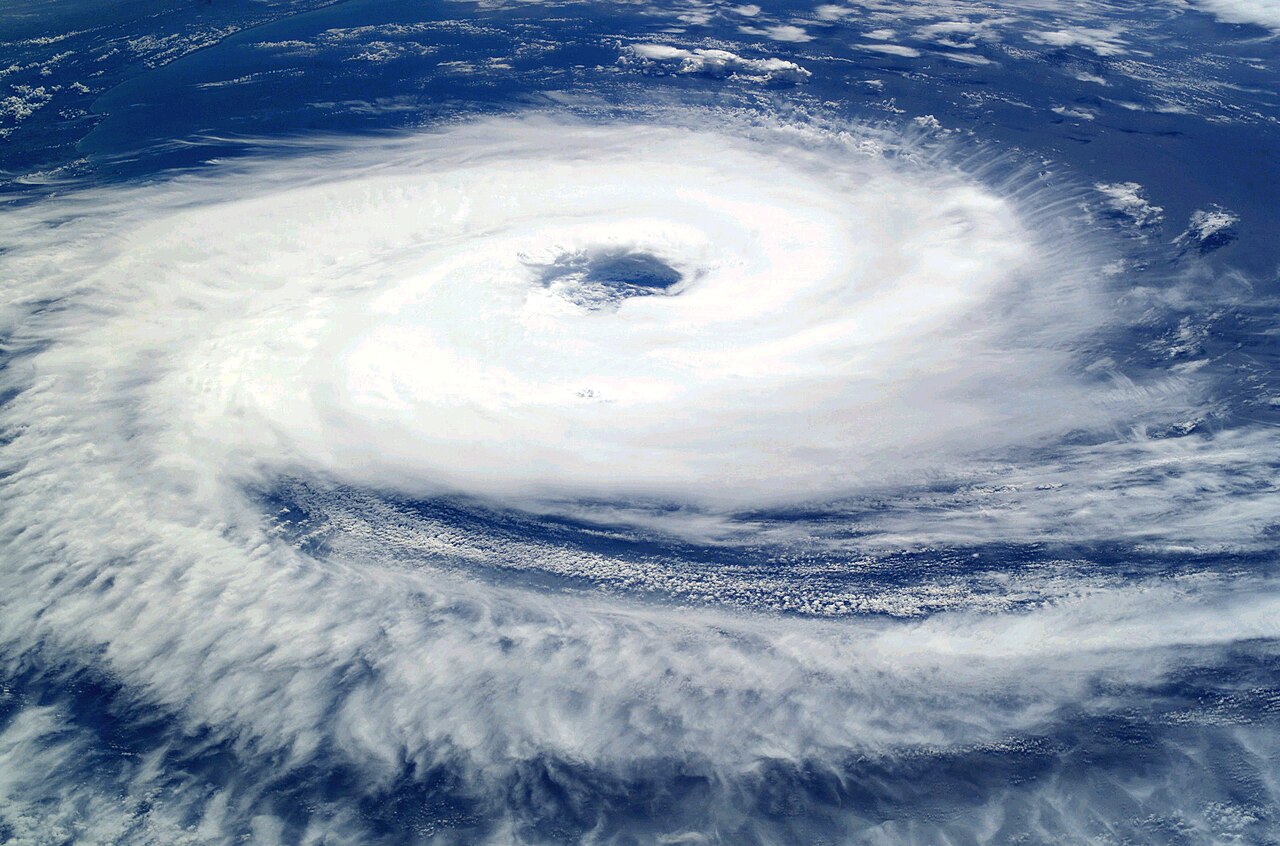


How they form and regional sources
The ingredients for a significant snow event are moisture, lift, and cold air. In the northeastern United States, many storms draw moisture as air moves northward from the Northeastern United States coastal corridor and nearby maritime sources; this moisture supply is often described simply as moisture that feeds the system. A common moisture route for major eastern storms is air advected from the Gulf of Mexico, while cold outbreaks can originate in polar regions when cold air masses descend from higher latitudes or the Arctic. On the U.S. West Coast, storms frequently carry warm, humid air from the Pacific Ocean that cools and condenses when forced upward by the mountains, producing heavy snow at higher elevations.
Common characteristics
Snowstorms differ in intensity and form. Light storms may leave a dusting, while intense systems can produce heavy snowfall rates, strong winds, and very low visibility. The final type and severity depend on factors such as moisture content of the inflowing air and the temperature profile through the atmosphere, which determines whether precipitation falls as snow, sleet, freezing rain, or a mix. When high winds accompany heavy snow, a storm may be classified as a blizzard, which is defined by sustained low visibility and strong winds rather than snowfall amount alone. Wind-driven snow can form deep drifts—often several meters high in extreme cases—that can bury vehicles and buildings.
Impacts and preparedness
Winter storms have widespread social and economic effects. They disrupt transportation, delay shipments and public transit, cause power outages when ice or drifting snow damages lines, and hamper emergency services. Communities prepare by issuing travel advisories, pre-treating roads, staging snow removal equipment, and opening warming centers. Individuals are advised to keep emergency kits, limit nonessential travel, protect plumbing from freezing, and follow local forecasts and guidance.
Forecasting, types and notable facts
Modern forecasting combines satellite, radar, surface observations and computer models to predict storm tracks, snow totals and timing. Forecasters use specialized warnings (e.g., advisories, warnings, blizzard warnings) to convey expected impacts. Winter storms vary by origin—coastal cyclones, nor'easters, lake-effect snowstorms, and mountain-driven events each have distinctive behaviors and hazard patterns. While incremental shifts in climate can influence storm frequency and precipitation type, winter storms remain a complex interplay of moisture, temperature and atmospheric motion.
Further reading
- Synoptic causes and air mass interactions: warm air sources and cold air dynamics.
- Regional examples: Northeastern U.S., Pacific influences, and Gulf-sourced moisture.
- Terms and impacts: moisture content, temperature profiles, and blizzards.
Questions and answers
Q: What causes winter storms or snowstorms?
A: Winter storms or snowstorms happen when warm, wet air meets with cold air.
Q: How big can the warm, wet air mass and the cold air mass be?
A: The warm, wet air mass and the cold air mass can each be 1,000 kilometres (620 mi) or more in diameter.
Q: Where do snowstorms affecting Northeastern United States get their moisture from?
A: Snowstorms affecting Northeastern United States often get their moisture from air moving north from the Gulf of Mexico.
Q: Where does the warm, wet air in the Northwest United States come from?
A: In the Northwest United States warm, wet air from the Pacific Ocean cools when it is pushed upward by the mountains.
Q: What affects the type and severity of the snowstorm?
A: Many different things can affect the direction of movement, moisture content, and temperature of air masses. All of these differences affect the type and severity of the snowstorm.
Q: How much snow can winter storms and blizzards make?
A: Winter storms and blizzards can make several meters of snow that blow into big drifts.
Q: Can the snow drifts caused by winter storms and blizzards be really tall?
A: Yes, sometimes the drifts can be over 3 metres (9.8 ft) tall and can even cover a house.
Related articles
Author
AlegsaOnline.com Winter storm Leandro Alegsa
URL: https://en.alegsaonline.com/art/108639