
Western Interior Seaway
A vast inland sea that divided North America during much of the mid- and late Cretaceous, noted for its distinctive marine life, thick sedimentary deposits, and influence on continental geology and fossil records.
Overview
The Western Interior Seaway was an expansive inland sea that flooded much of central North America during the mid- to late Cretaceous Period, roughly when global seas were higher than today. At its greatest extent it stretched for more than two thousand miles north to south, reached widths of several hundred miles, and in places may have been up to a few thousand feet deep. This marine corridor linked northern and southern oceans and temporarily split the continent into western and eastern landmasses.
Image gallery
9 Images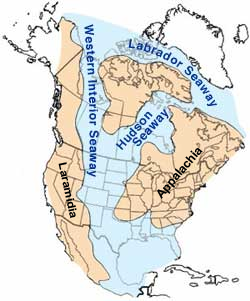




Physical characteristics and deposits
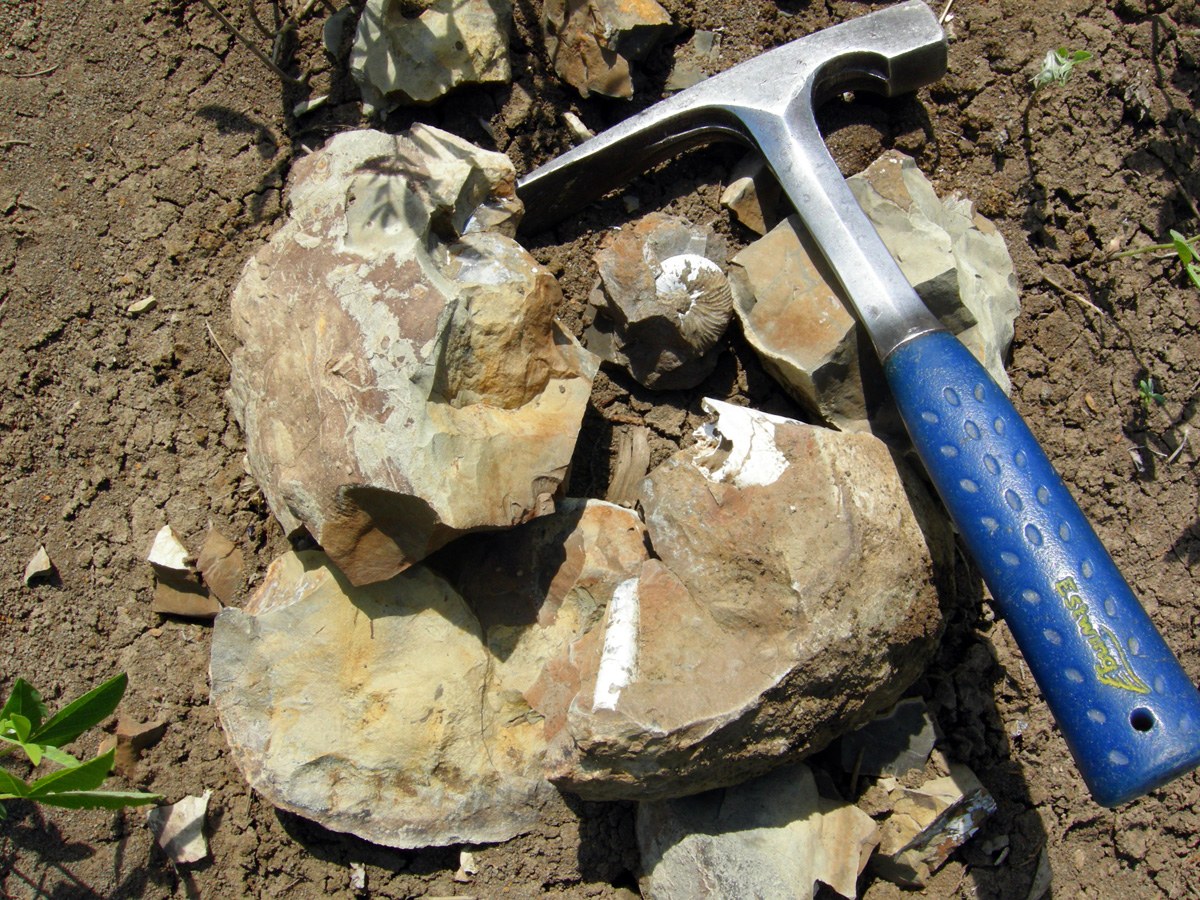
The seaway varied in depth and width over millions of years as shorelines shifted with sea-level changes and tectonic activity. Sediments deposited in its basins formed thick layers of shale, chalk and sandstone that are preserved today in formations such as the Niobrara Chalk and Pierre Shale. These strata record repeated transgressions and regressions and are economically important as sources of hydrocarbons and other minerals.
Life and fossils
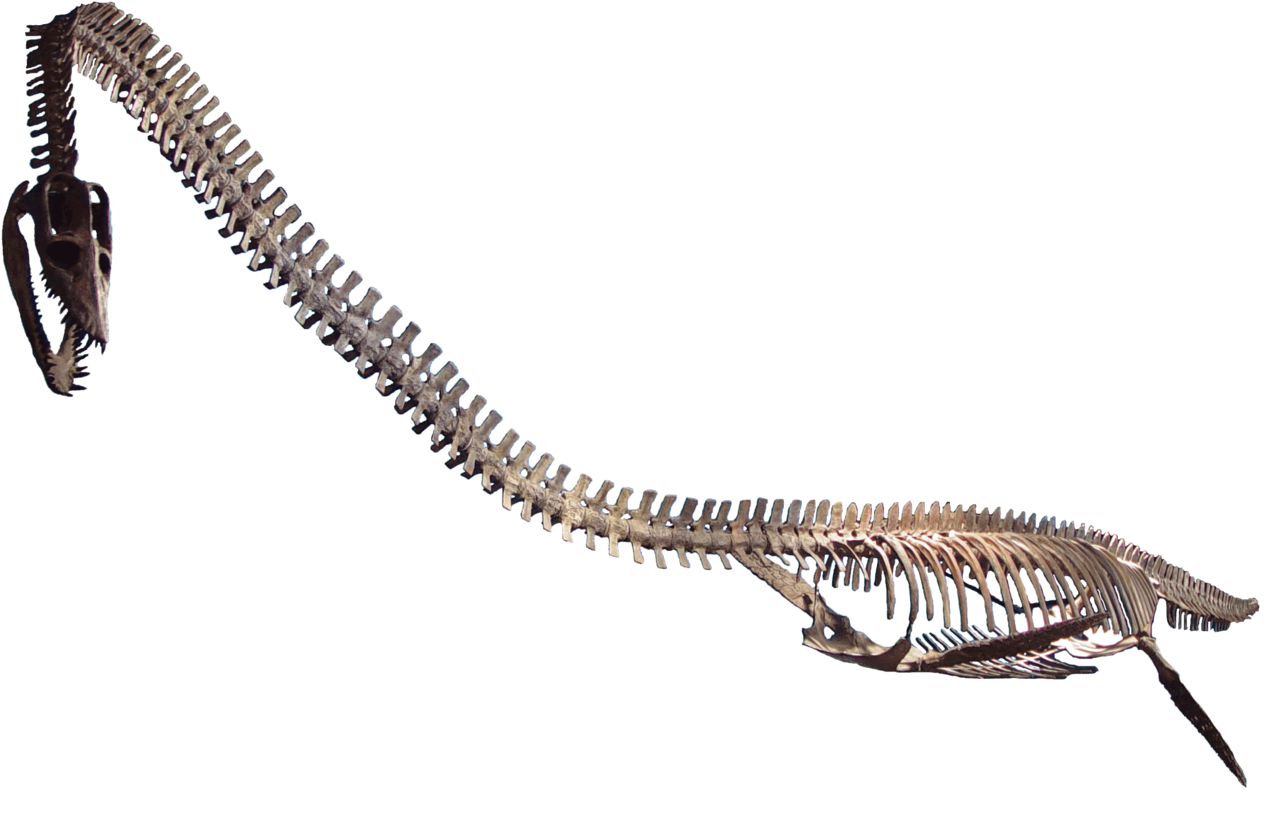
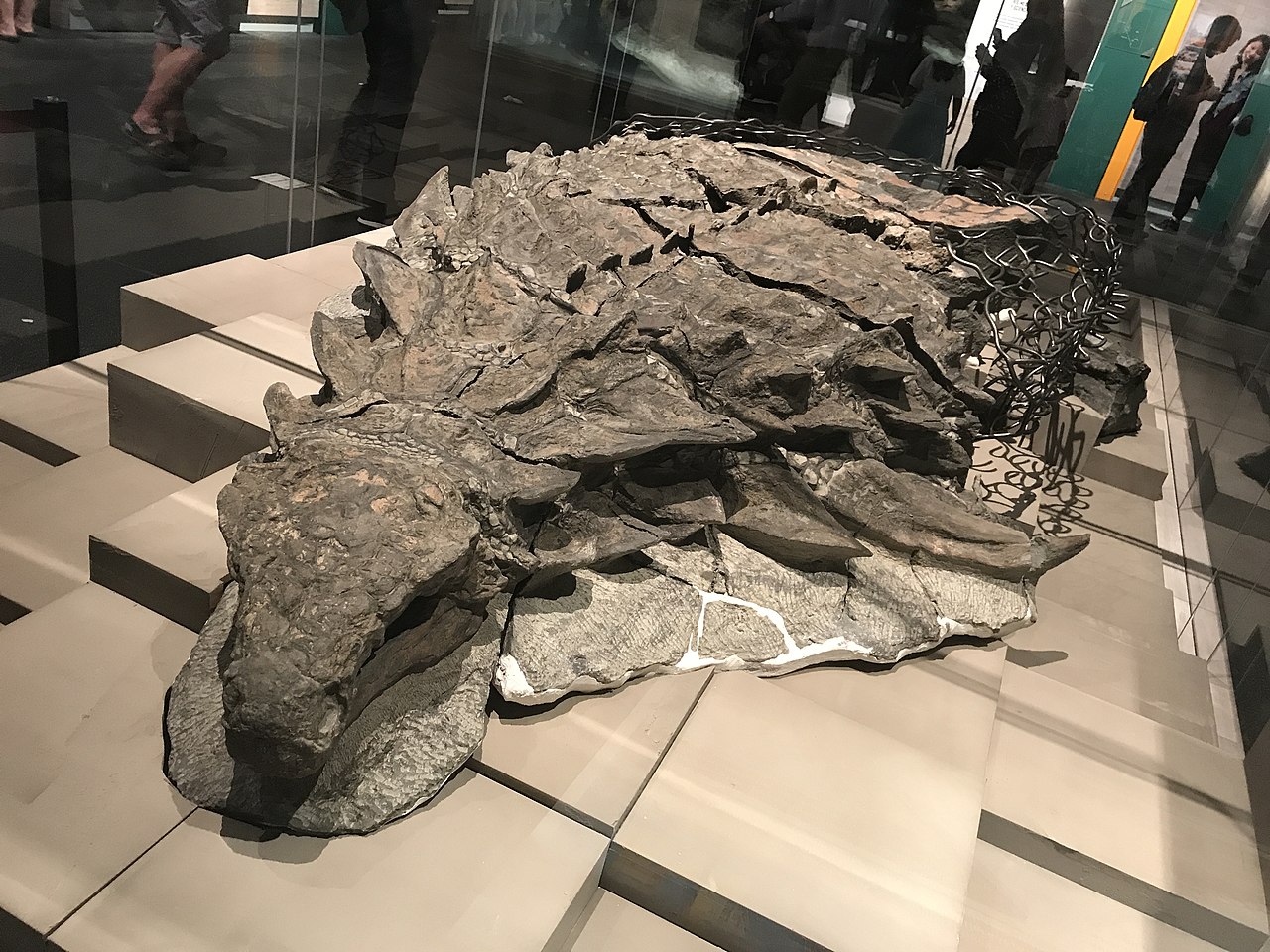
Rich marine ecosystems inhabited the seaway: large marine reptiles (for example mosasaurs and plesiosaurs), a variety of sharks and bony fishes, cephalopods such as ammonites, and numerous invertebrates. The shores supported coastal and terrestrial animals, including dinosaurs, whose remains sometimes wash into marine deposits. Fossil sites across states and provinces provide key evidence of Cretaceous life and paleoenvironments.
Geologic history and causes
The seaway developed as a result of high global sea levels and regional tectonic subsidence during the Cretaceous. Uplift of surrounding mountain ranges and later sea-level fall caused it to shrink and disappear by the end of the Cretaceous, leaving a mosaic of sedimentary basins. Its formation and disappearance are tied to broader events in plate tectonics and climate of that era.
Significance and notable facts
- The division it created is often cited when discussing the separate dinosaur provinces of the west (Laramidia) and east (Appalachia).
- Its deposits preserve important fossil assemblages and are studied for information about Cretaceous climates, sea-level change and resource potential.
- For maps, research summaries and regional overviews see maps and atlases, paleogeographic reconstructions via North America studies, broader chronologies of the Cretaceous at period summaries, and current scientific literature portals at research collections.
Questions and answers
Q: What is the Western Interior Seaway?
A: The Western Interior Seaway was a massive inland sea that divided North America into two halves during the mid- and late-Cretaceous Period.
Q: How deep was the Western Interior Seaway?
A: The Western Interior Seaway was up to 2,500 feet (760 m) deep.
Q: How wide was the Western Interior Seaway?
A: The Western Interior Seaway was 600 miles (970 km) wide.
Q: How long was the Western Interior Seaway?
A: The Western Interior Seaway was over 2,000 miles (3,200 km) long.
Q: During which periods did the Western Interior Seaway exist?
A: The Western Interior Seaway existed during the mid- and late-Cretaceous Period.
Q: What was the impact of the Western Interior Seaway on North America?
A: The Western Interior Seaway split North America into two halves during the mid- and late-Cretaceous Period.
Q: Can you provide more details about the Western Interior Seaway?
A: The Western Interior Seaway was a massive body of water that stretched from the Arctic Ocean in the north to the Gulf of Mexico in the south. It played a significant role in the evolution of many marine and terrestrial species and contains a rich record of the geological history of North America.
Related articles
Author
AlegsaOnline.com Western Interior Seaway Leandro Alegsa
URL: https://en.alegsaonline.com/art/107519
Sources
- oceansofkansas.com : "Oceans of Kansas paleontology"
- news.bbc.co.uk : BBC: Giant predatory shark fossil unearthed in Kansas