
World Ocean (Global Ocean)
The World Ocean denotes Earth’s continuous body of salt water, considered as one interconnected system comprising the named oceans and their margins, central to climate, biodiversity, and human activity.
The term "World Ocean" (also "Global Ocean") describes Earth’s contiguous mass of salt water considered as a single, interconnected system rather than as isolated seas. It highlights the physical continuity of ocean basins, the exchange of water, heat, chemicals and organisms across named boundaries, and the global influence of marine processes. For general reference to mapped basins and regional names see the world's oceans.
Image gallery
10 Images


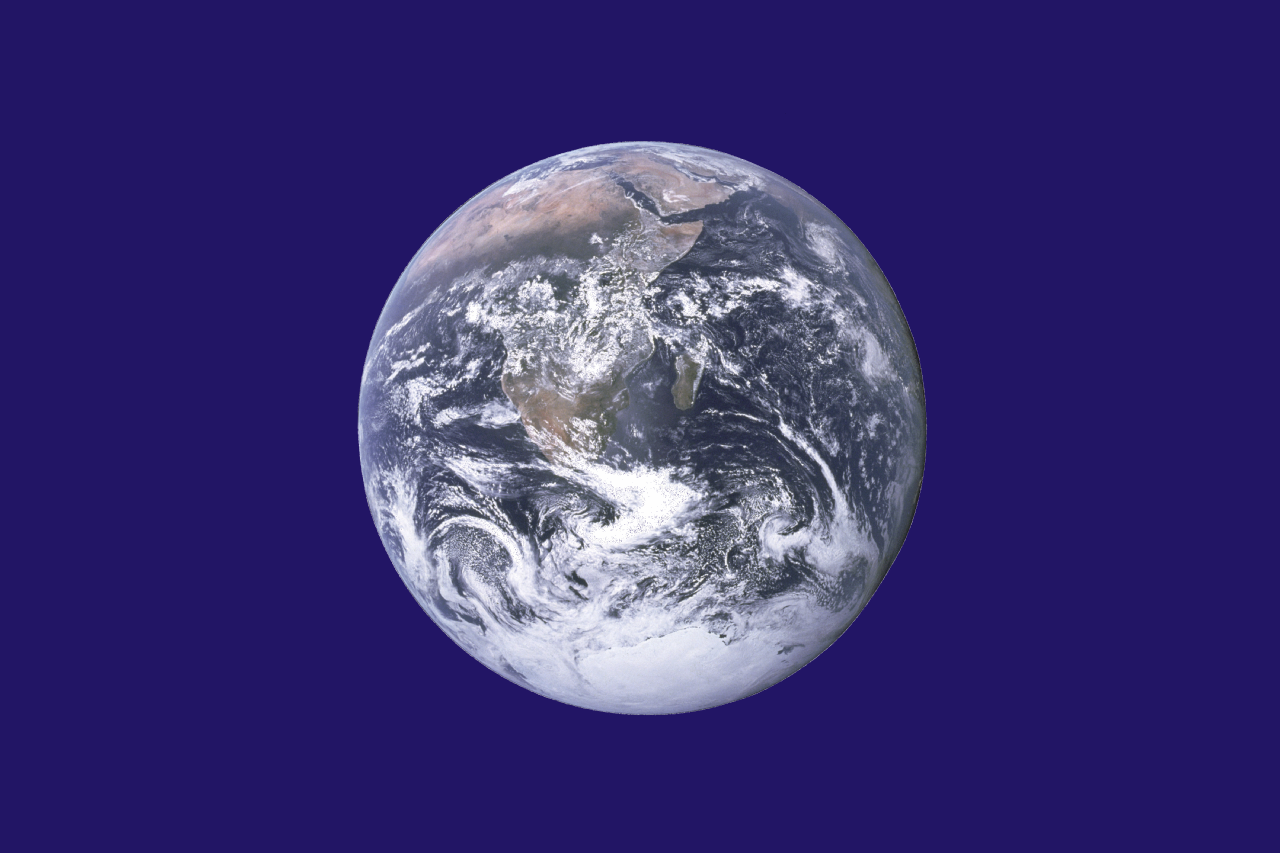
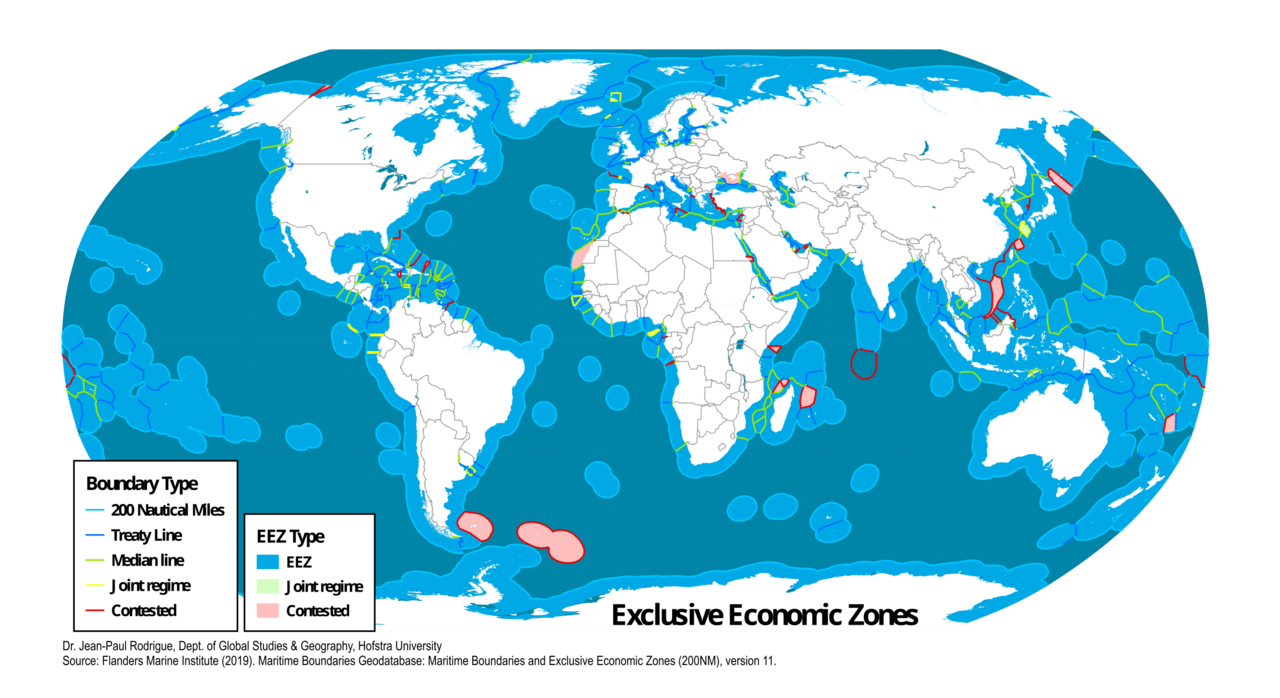
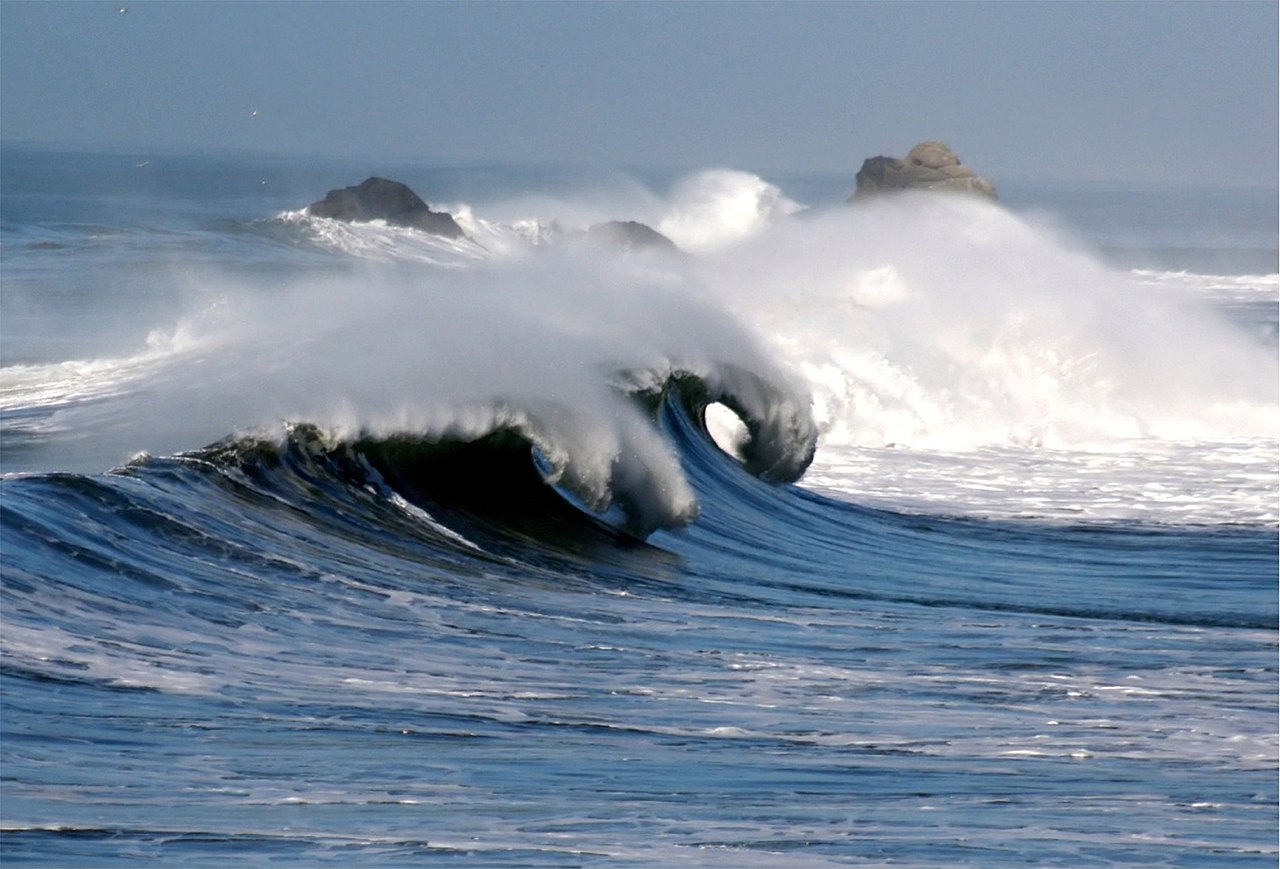


Major ocean regions
Oceanographers commonly divide the World Ocean into five principal regions while recognising their interconnection. These regions are continuous with one another and exchange water through currents, straits and deep passages.
- Southern Ocean — encircles Antarctica and is often defined by waters south of 60°S; it is a principal driver of the global overturning circulation and is seasonally affected by sea ice.
- Atlantic Ocean — extends between the Americas and Europe–Africa; it links northward with the Arctic Ocean and meets the Indian Ocean near Cape Agulhas.
- Indian Ocean — lies between Africa, Australia and the Indian subcontinent; its northern limits reach toward India and South Asia.
- Pacific Ocean — the largest basin, between Asia, Oceania and the Americas; it connects with the Southern Ocean and meets the Atlantic around Cape Horn.
- Arctic Ocean — the smallest named ocean, centred on the North Pole, linking to the Pacific through the Bering Strait and to the Atlantic near Greenland and Iceland.
Physical connectivity and circulation
The World Ocean functions as an integrated circulatory system. Surface currents redistribute heat and influence weather and climate patterns, while deep currents form an interbasin network often called the global conveyor belt. Water masses move between basins at subtropical gyres, through circumpolar flows and via narrow straits; for example the linkages between the Southern Ocean and the Atlantic, Indian and Pacific basins are fundamental to global thermohaline exchange. Continental margins, mid-ocean ridges and abyssal plains set the bathymetric framework that guides flow and biodiversity distribution.
Formation, geology and long-term change
Modern ocean basins owe their form to plate tectonics and the slow rearrangement of continents over geological time. Processes described by continental drift and plate tectonics have opened and closed ocean gateways, changed basins and altered current pathways. Over recent geological epochs the interaction between ice ages, sea level shifts and tectonics shaped continental shelves, created marginal seas, and affected patterns of marine life.
Biodiversity and ecosystems
Marine ecosystems span productive coastal shelves, coral reefs, pelagic zones and the deep sea. The World Ocean hosts vast biodiversity, from microscopic plankton that drive primary production to large migratory animals and deep-sea communities adapted to high pressure and low light. Biological connectivity is mediated by currents and life histories: larvae, spores and juveniles can be transported thousands of kilometres, linking distant populations and fisheries. Coastal regions beside South America, Africa, North America and Europe illustrate how human societies depend on marine living resources.
Human uses, governance and legal frameworks
Humans rely on the World Ocean for transport, food, energy and cultural values. Shipping lanes connect continents and ports in different hemispheres; regional economies in Oceania, island states, and continental coastlines depend on safe, navigable waters. International law differentiates coastal state rights and high seas freedoms, creating frameworks for fisheries management, pollution control and resource sharing. Management often requires cooperation across basins because activities in one region can affect distant ecosystems and climate.
Threats, monitoring and adaptation
Global pressures include warming, ocean acidification, sea level rise, deoxygenation and changes in sea ice extent driven by climate change. Polar regions demonstrate rapid change: seasonal sea ice around the poles, including waters near Greenland and Iceland, is sensitive to temperature shifts, altering habitat and circulation. Overfishing, pollution and habitat modification compound these threats. Scientific monitoring—from satellites to ships and autonomous sensors—tracks changes in temperature, salinity, chemistry and biological productivity; international collaborations pool data across the Western hemisphere and the Eastern hemisphere to inform policy and conservation.
Conservation, research and the future
Viewing ocean basins as parts of one World Ocean underlines the need for integrated conservation: marine protected areas, sustainable fisheries, pollution reduction and climate mitigation all contribute to ocean health. Research priorities include improving predictive models of circulation and ecosystems, mapping seafloor habitats, and understanding how human activities interact with natural variability. Coastal regions, such as those bordering Scandinavia, illustrate how regional management can be linked to global objectives. Recognising the World Ocean as a single, dynamic system helps frame international action for a resilient marine environment.
Effective stewardship requires sustained science, governance that crosses borders, and public awareness of the ocean’s central role in Earth’s climate and human welfare.
Questions and answers
Q: What is the world ocean?
A: The world ocean, or global ocean, is used to describe all the world's oceans as one large interconnected ocean.
Q: How many oceans are there?
A: There are five standard oceans - the Atlantic Ocean, Arctic Ocean, Indian Ocean, Pacific Ocean and the proposed Southern Ocean around Antarctica.
Q: Where does the Atlantic Ocean meet the Indian Ocean?
A: The Atlantic meets the Indian Ocean south of Africa at Cape Agulhas.
Q: How does the Pacific connect to other oceans?
A: The Pacific connects to other oceans by meeting with the Atlantic south of South America at Cape Horn and joining with the Indian near Australia. It also joins with Arctic near Greenland and Iceland at Bering Strait.
Q: What is special about parts of Southern and Arctic Oceans?
A: Parts of both Southern and Arctic Oceans are covered in sea ice, which varies according to season.
Q: What is unique about Arctic Ocean compared to other four named oceans?
A: The Arctic is unique because it touches North America in Western hemisphere and Scandinavia and Asia in Eastern hemisphere. It is also smallest of five named oceans.
Q: How do climate change and continental drift affect our world's oceans over time?
A: Climate change happens over a short timescale while continental drift occurs over a much longer timescale; both have an effect on our world's oceans over time.
Related articles
Author
AlegsaOnline.com World Ocean (Global Ocean) Leandro Alegsa
URL: https://en.alegsaonline.com/art/109100