
War of the Fourth Coalition (1806–1807)
Overview of the War of the Fourth Coalition (1806–1807): participants, causes, principal campaigns and battles, diplomatic outcomes such as the Treaty of Tilsit, and the conflict's longer-term effects.
The War of the Fourth Coalition (1806–1807) was a major phase of the Napoleonic Wars in which a northern and eastern European alliance opposed the French Empire led by Napoleon and his reorganized states. The contest followed the collapse of earlier coalitions and reflected the rapid political and military transformations sweeping the continent after France's successes in the early 1800s. Although the coalition achieved only limited tactical successes, the campaign produced decisive strategic results that reshaped central and eastern Europe.
Image gallery
10 Images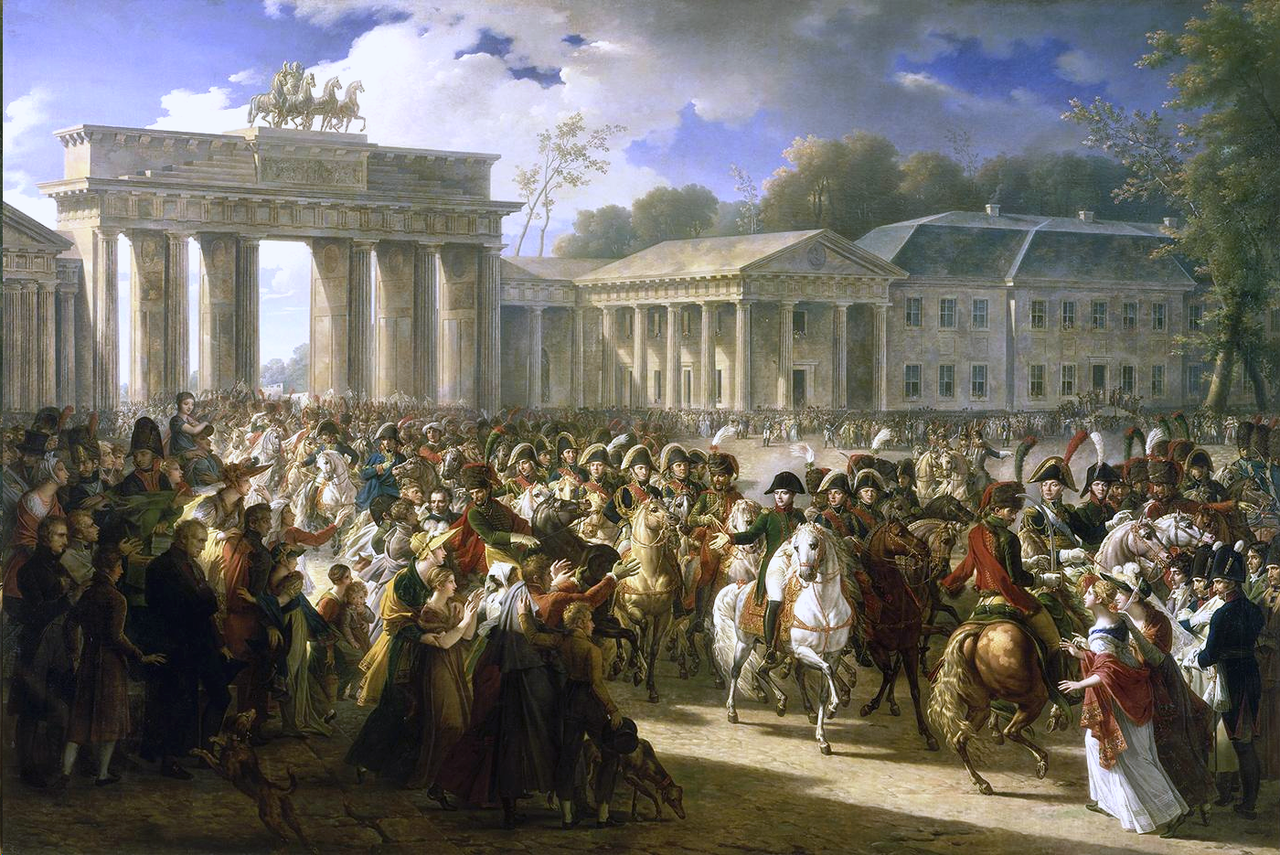




Participants and immediate causes
The coalition brought together several powers alarmed by French dominance: primarily Russia, Prussia, Saxony, Sweden and Great Britain. Britain remained engaged chiefly by sea and finance, while land armies from Prussia and Russia provided most of the ground opposition. Saxony joined in a complex regional alignment, and Sweden participated intermittently. The formation of the Confederation of the Rhine after Austria's defeat and the perceived expansion of French influence prompted Prussia to enter the new alliance; this diplomatic reordering contributed directly to the outbreak of hostilities.
Major campaigns and battles
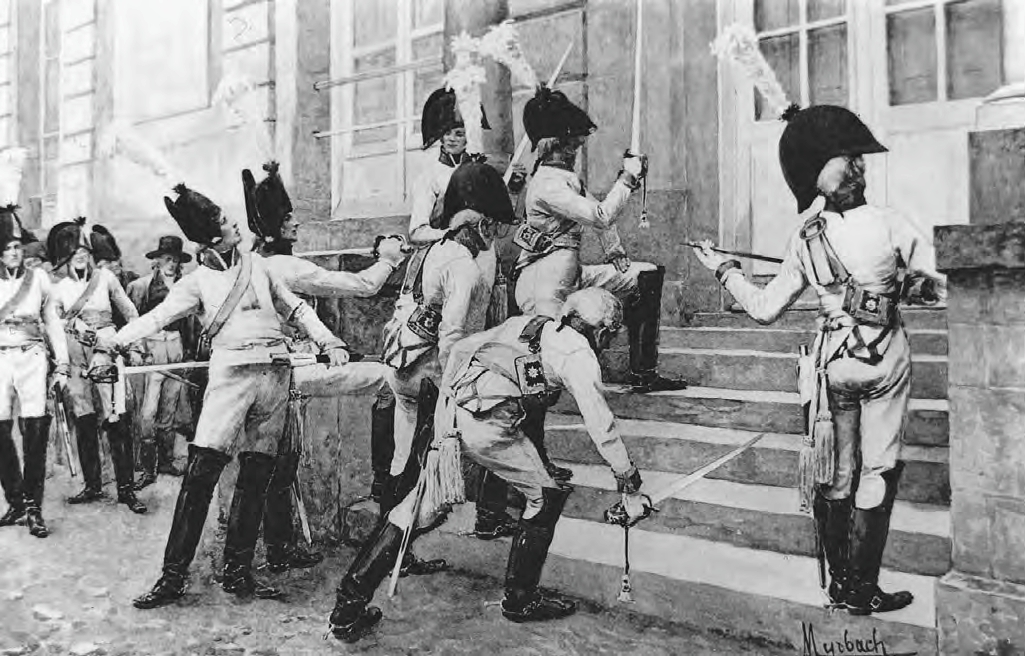
Fighting began in earnest in October 1806 when Prussian forces confronted the French. In a dramatic and closely timed encounter, French troops routed the Prussian army at the twin engagements often grouped under the name Jena–Auerstädt, after which French forces occupied Prussian territory and took Berlin. The defeat forced Prussian and allied units into retreat toward the east and created an opening for French advances into Poland and toward Russia.
The campaign moved into the winter and spring of 1807 with fierce fighting in East Prussia and on the approaches to the Russian frontier. At the Battle of Eylau the two main armies clashed in a brutal winter engagement that produced heavy casualties and no clear victor. Later, at the Battle of Friedland, Napoleon achieved a decisive victory that compelled Russia to negotiate. Diplomatic activity culminated in terms that temporarily accommodated French hegemony in central Europe and altered the balance of power for the next several years.
Consequences, peace and longer-term effects
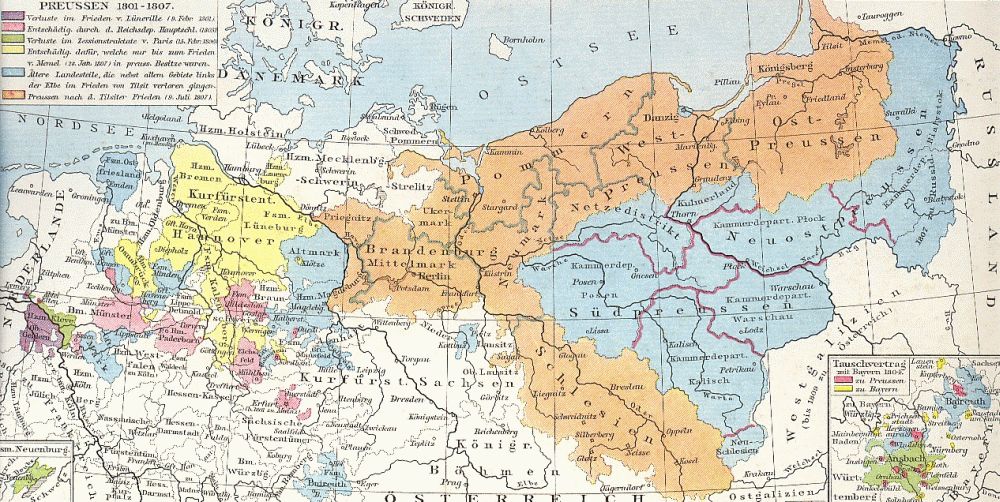
Peace in mid‑1807 ended large‑scale fighting between France and the coalition’s principal continental members. The agreement left Napoleon dominant over much of western and central Europe, and it prompted a series of political rearrangements: client states and confederations were strengthened under French influence, while defeated powers began to reassess military and administrative systems. Prussia, in particular, embarked on significant reforms of its army and state institutions following the humiliations of 1806–1807.
Although the Fourth Coalition dissolved with treaties and temporary understandings, Britain stayed at war with France and new theaters of conflict opened soon thereafter. Spanish and Portuguese developments on the Iberian Peninsula and evolving Russo‑French relations contributed to the continuing cycle of wars that characterizes the Napoleonic era.
Notable facts and related topics
- The war is commonly dated 1806–1807 and is sometimes treated as one phase among several coalitions opposing Napoleon; earlier hostilities had not produced a lasting peace.
- Military setbacks prompted important reform movements in defeated states; those changes influenced later 19th‑century military and national developments.
- Key related subjects include the earlier Third Coalition, the role of Austria in reshaping the map of Germany, and the creation of the Confederation of the Rhine.
For concise introductions to principal persons, battles and later consequences, see entries on the French Empire, the campaigns of Napoleon, the roles of Saxony and Sweden, and British involvement in the wider maritime and financial war (Great Britain). Further reading on immediate aftermaths includes studies of the occupation of Berlin, the winter battles around Jena–Auerstädt and Eylau, and the subsequent conflict on the Iberian Peninsula often called the Peninsular War.
Related articles
Author
AlegsaOnline.com War of the Fourth Coalition (1806–1807) Leandro Alegsa
URL: https://en.alegsaonline.com/art/106499