
Waterboarding (interrogation technique and torture)
Waterboarding is a coercive interrogation method that simulates drowning. It is widely regarded as torture, has a long history, and provoked major legal and political debates in the 21st century.
Waterboarding is an interrogation practice that produces the sensation of drowning by forcing water over a restrained person's face and airway. It is designed to cause extreme panic, an inability to breathe, and the reflex to gasp, while the subject remains conscious. Because it intentionally creates the impression of imminent death, most international bodies, human rights organizations, and many states characterize waterboarding as a form of torture or cruel, inhuman, and degrading treatment. Human rights sources summarize the method and its classification within that framework.
Image gallery
7 Images


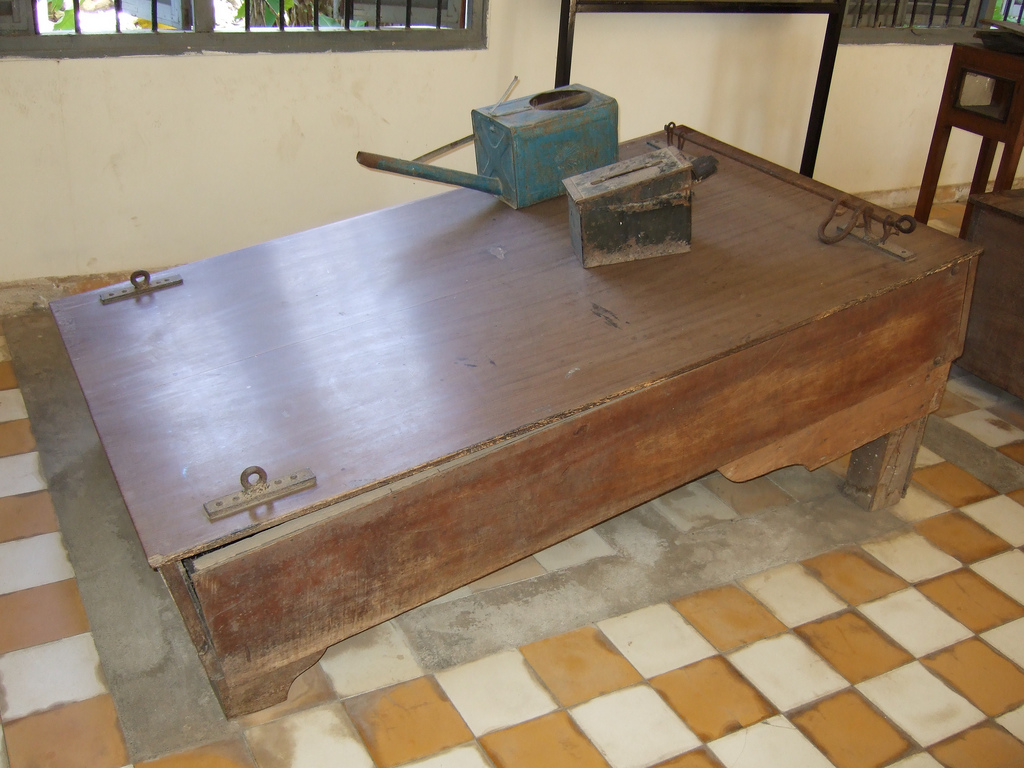

Technique and immediate effects
The common procedure involves binding the subject to a flat surface or board, positioning the head so water will enter the nose and mouth, placing a cloth or towel over the face, and repeatedly pouring or applying water. Variations include tilting the head back or constraining the airways in other ways. The procedure triggers an intense gag reflex, breathlessness, panic, and a feeling of suffocation. It may also cause choking, pulmonary complications, and loss of consciousness if continued. Medical and psychological harms can occur during and long after exposure.
History and modern use
Forms of simulated drowning have been recorded in different cultures over centuries as a way to extract information, punish, or intimidate. In recent decades the technique received global attention during debates over counterterrorism practices. After the terrorist attacks of 2001, some security agencies in several countries considered or used aggressive interrogation measures, and waterboarding was cited in reports and investigations. Its use at detention centers such as Guantánamo Bay became a flashpoint in public discussion. In 2009, the United States formally restricted such methods when President Barack Obama signed orders and policies that curtailed interrogation techniques widely described as torture; this change is discussed in many retrospective accounts and legal analyses banning certain practices in 2009.
Health consequences and lasting harm
- Immediate risks: panic attack, hypoxia (low oxygen), aspiration of water leading to pneumonia, and potential cardiac complications.
- Neurological and psychological effects: post-traumatic stress disorder (PTSD), chronic anxiety, nightmares, and long-term impairment of trust and social functioning.
- Other injuries: facial or neck trauma from restraints, or secondary injuries if the victim struggles and is forcefully restrained.
Because waterboarding deliberately induces the perception of imminent death, survivors often report intense, long-lasting psychological trauma. Medical professionals and ethics bodies caution that even short exposure can have severe consequences.
Legal and ethical status
Under international human rights law, torture and cruel, inhuman, or degrading treatment are prohibited. Many governments, courts, and independent organizations treat waterboarding as falling within that prohibition, although some debates have taken place in national forums over definitions, exceptions claimed during wartime, or the legal status of specific techniques. The method has therefore been central to broader discussions about the legality and morality of coercive interrogation, accountability for past practices, and the formulation of safe and lawful intelligence procedures.
Notable distinctions and public debate
- Terminology matters: proponents sometimes use terms like "enhanced interrogation" to describe a set of aggressive techniques; critics and many legal authorities call the same practices "torture."
- Policy responses have varied: some states have explicitly prohibited waterboarding and related methods, while public inquiries and court rulings have examined past uses and sought remedies for victims.
- Ongoing relevance: waterboarding remains a reference point in discussions of human rights, national security policy, and the limits of state authority during emergencies.
The subject continues to provoke ethical, legal, and medical analysis, and it serves as a prominent example in debates over how democratic societies should balance security imperatives with respect for human dignity and the rule of law.
Related articles
Author
AlegsaOnline.com Waterboarding (interrogation technique and torture) Leandro Alegsa
URL: https://en.alegsaonline.com/art/106827