
Pumice
Lightweight, porous volcanic glass formed during explosive eruptions. Known for a frothy, vesicular texture; used as an abrasive, lightweight aggregate, and soil amendment. Can float briefly when gases are trapped.
Overview
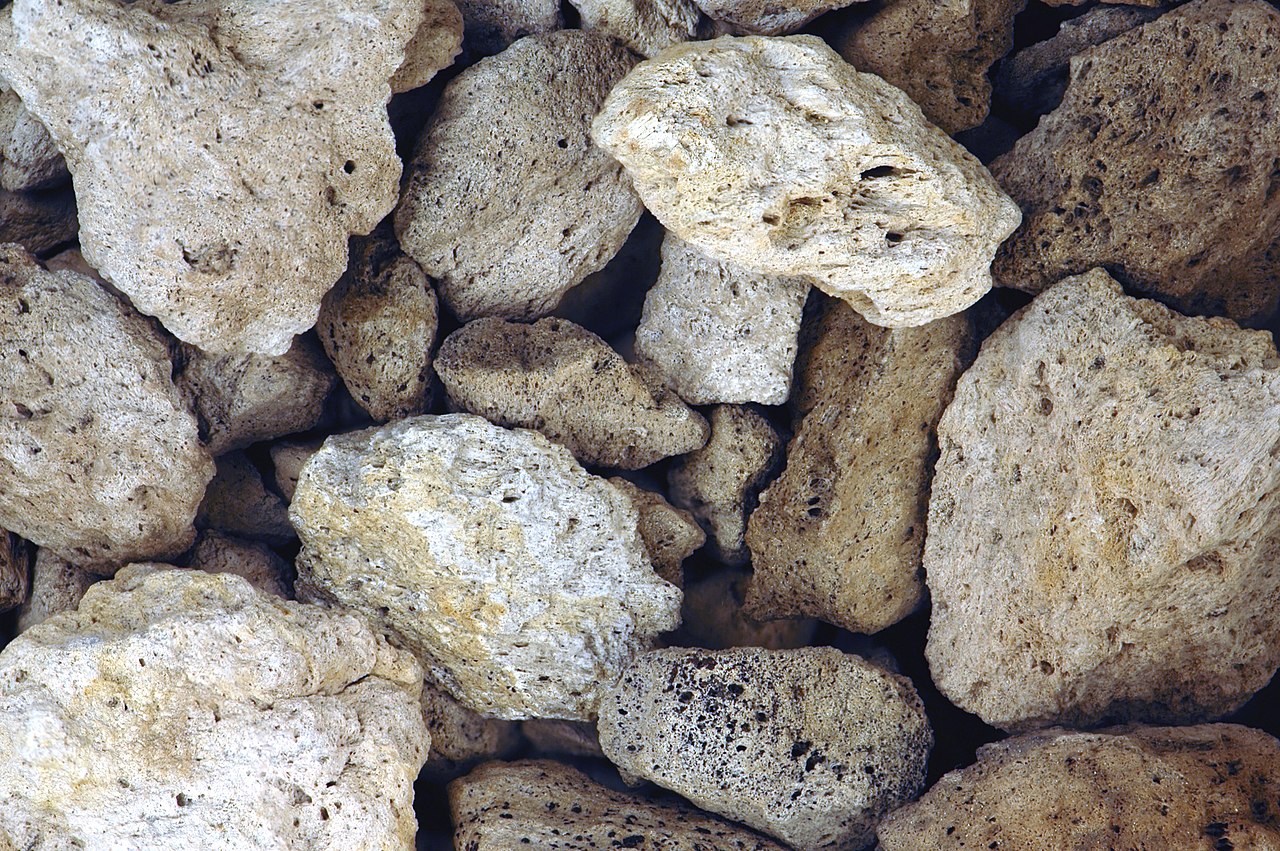
Pumice is a highly porous, lightweight volcanic glass produced when gas-rich molten rock is erupted and cools rapidly. It is commonly classified as a type of volcanic rock and is recognizable by its pale colors and sponge-like appearance. Because it preserves a network of tiny cavities created by expanding gases, pumice has a much lower density than most other igneous rocks.
Image gallery
10 Images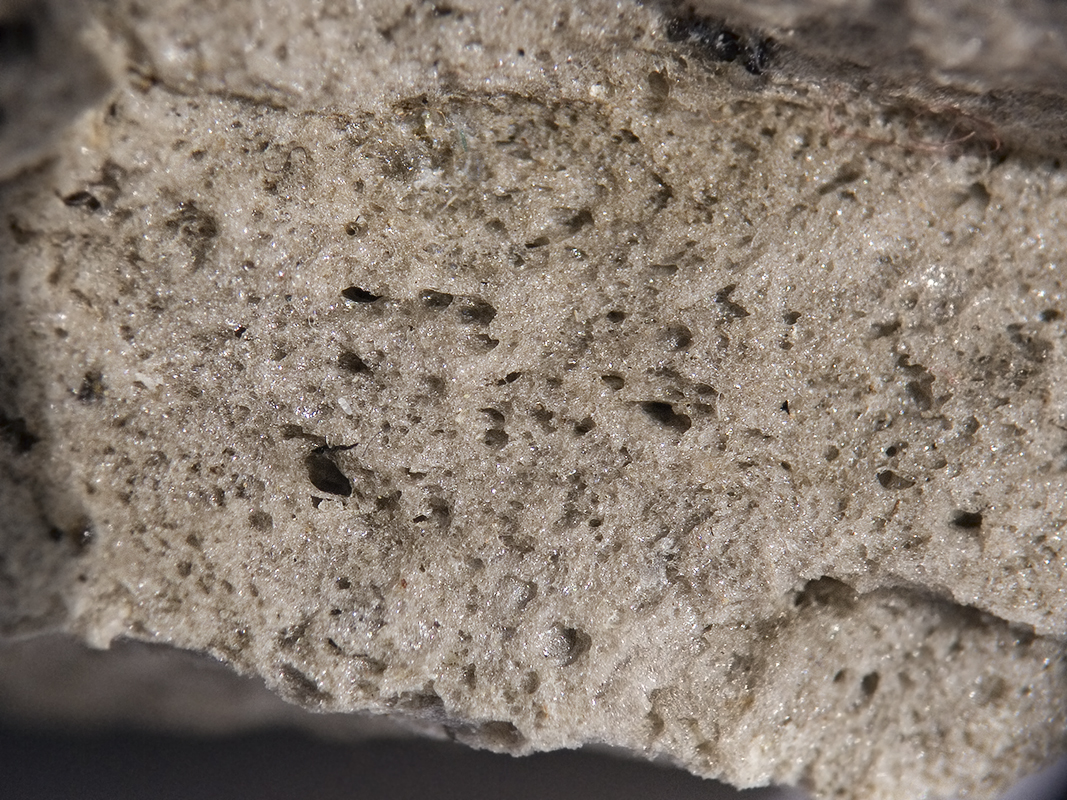


Formation and characteristics
Pumice forms during explosive volcanic eruptions when magma is rapidly depressurized and cooled. The sudden drop in pressure causes volatiles dissolved in the melt to exsolve as bubbles, creating a frothy texture that is then frozen into place as the glass solidifies. This process produces a material that is hard but full of vesicles; it often feels rough and abrasive.
- Texture: highly vesicular, glassy matrix, often with thin walls between cavities.
- Composition: commonly high in silica (rhyolitic or dacitic), which contributes to its light color.
- Density: low enough that fresh pumice can float on water until pores become saturated.
- Durability: relatively brittle but resistant to chemical weathering in many environments.
Uses and applications
Because of its abrasive surface, low weight, and insulating properties, pumice has many practical uses. In personal care it is used as a pumice stone for removing hardened skin. Industrially, it serves as an abrasive powder, a polishing medium, and as a component in lightweight concrete and block manufacture. Horticulturists add pumice to potting mixes to improve drainage and aeration. It is also used in filtration and in processes that require gentle abrasion, such as stone-washing denim.
History, natural occurrences and notable facts
Pumice has been used since antiquity for finishing and polishing surfaces and for lightweight building material. In nature, large amounts of pumice can be produced in a single eruptive event; sometimes fragments coalesce into floating "pumice rafts" that travel across oceans until they become waterlogged. Unlike darker, denser volcanic fragments known as scoria, pumice is typically lighter in color and contains a greater volume of small, tightly packed vesicles.
Distinctions and identification
To distinguish pumice from related materials, note its ability to float initially, its glassy appearance, and its generally felsic composition. Scoria, by contrast, has thicker bubble walls, is usually darker and denser, and seldom floats. For more information on classifications and uses, see introductory resources on volcanic rocks and industrial applications: formation processes, textural descriptions, and practical guides to working with pumice in construction and horticulture.
Related articles
Author
AlegsaOnline.com Pumice Leandro Alegsa
URL: https://en.alegsaonline.com/art/80040