
Vitamin A: forms, functions, dietary sources, deficiency and safety
Overview of vitamin A: chemical forms, biological roles (vision, immunity, growth), food sources and conversion, deficiency risks and public-health measures, plus safety and distinctions.
Vitamin A is a family of fat-soluble compounds essential for human health. The term covers preformed retinoids (retinol, retinal, retinoic acid) and a set of plant-derived carotenoids that the body can convert into active vitamin A. Because humans cannot manufacture these compounds in sufficient amounts, they must be obtained from the diet and are stored primarily in the liver. For a concise definition see vitamin A group.
Image gallery
6 Images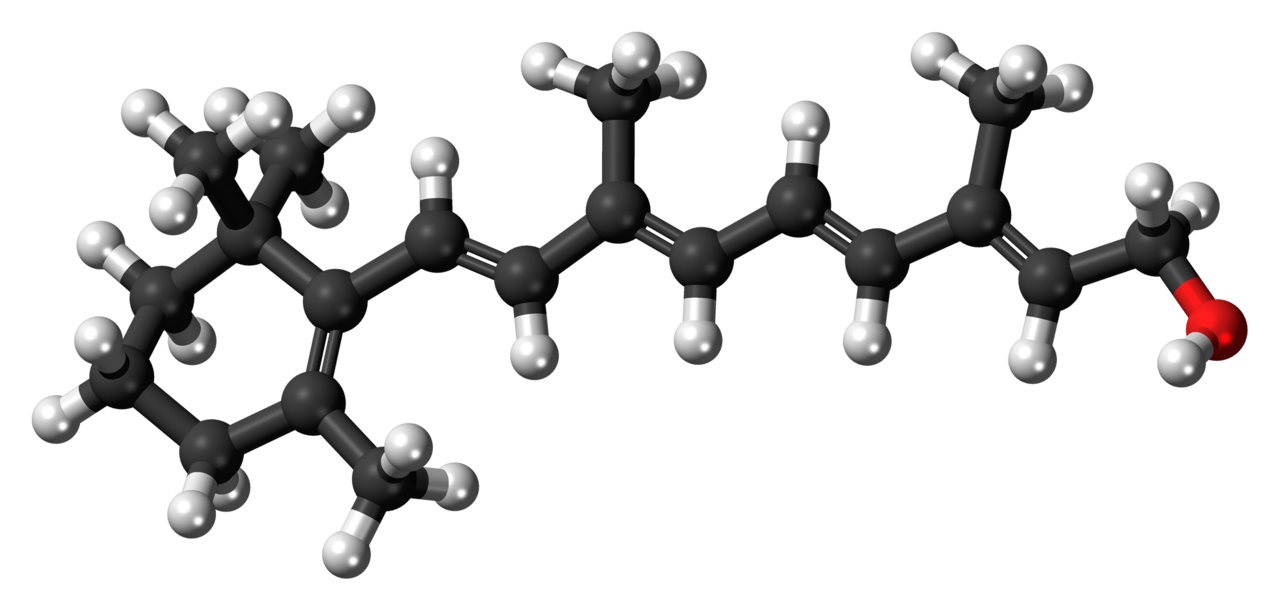




Chemical forms and dietary sources
Vitamin A appears in two broad categories. Animal-based foods supply preformed retinoids used directly by the body, while fruits and vegetables provide provitamin A carotenoids such as β-carotene. Rich sources of preformed vitamin A include liver, egg yolk and whole dairy products. Plant sources with carotenoids include orange and dark green produce (for example, carrots and leafy greens). Absorption of these fat-soluble compounds requires dietary fat and normal bile function, which is why dietary fat affects uptake. Conversion of provitamins to active forms varies between people because of genetic factors and nutritional context.
Physiological roles
Vitamin A plays several distinct physiological roles. In the eye, the aldehyde retinal forms part of the photopigment rhodopsin and is critical for low-light (scotopic) vision; see additional material on vision. Beyond sight, vitamin A supports the integrity and repair of epithelial tissues, contributes to immune defenses by maintaining mucosal barriers and specialized immune cells (immune system), and is involved in cell differentiation during embryonic development (embryo development). There is also evidence that vitamin A and its metabolites influence brain function and memory; for background see memory and brain and complementary material at retinoids and brain.
Deficiency, public health and examples
Insufficient vitamin A intake leads to a predictable pattern of problems. Early signs include impaired dark adaptation and night blindness; prolonged deficiency can progress to xerophthalmia and permanent corneal damage. Low vitamin A also weakens resistance to infections and can worsen outcomes of common childhood illnesses. Deficiency is most frequent where diets lack animal products and provitamin-rich produce or where overall malnutrition is widespread; international reports and programs address vitamin A in contexts of malnutrition. Public-health measures often include targeted supplementation, food fortification and dietary diversification. Examples of practical interventions are high-dose periodic supplementation in vulnerable populations and biofortification efforts to increase provitamin content of staple crops.
Safety, excess and important distinctions
Because vitamin A is fat-soluble and stored in the liver, intake above needs can cause toxicity. Chronic overconsumption of preformed vitamin A (retinoids) may produce symptoms ranging from liver abnormalities and bone pain to severe birth defects if high doses are taken during pregnancy. By contrast, excess intake of provitamin carotenoids does not produce the same internal toxicity; it may cause harmless skin yellowing (carotenodermia). These differences underline the distinction between preformed vitamin A and provitamins, and the importance of considering source when assessing risks.
History and ongoing research
Vitamin A was identified in early nutrition research as a fat-soluble accessory factor essential for growth and vision. Since then, public-health programs have reduced deficiency-related blindness in many regions. Contemporary research continues on improving dietary delivery—through fortification, supplementation and plant breeding—and on clarifying molecular roles of retinoic acid in development and disease. For further reading, introductory and technical treatments are available at listed resources: overview, carotenoids, vision, immunity, embryology, β-carotene, genetics, absorption, brain effects, retinoid biology, malnutrition programs.
In summary, vitamin A is a multi-faceted micronutrient with vital roles in vision, growth, immunity and cellular differentiation. Ensuring adequate—but not excessive—intake through varied diets, targeted fortification and clinical guidance remains an important component of global nutrition policy.
Related articles
Author
AlegsaOnline.com Vitamin A: forms, functions, dietary sources, deficiency and safety Leandro Alegsa
URL: https://en.alegsaonline.com/art/105649
Sources
- ods.od.nih.gov : "Dietary Supplement Fact Sheet: Vitamin A and Carotenoids"
- ext.colostate.edu : "Fat-Soluble Vitamins"