
Washing: cleaning with water, soap, and detergents
Washing is the removal of dirt, oils and microbes using water often combined with soap or detergent. It spans personal hygiene, laundry, dishwashing and industrial cleaning and has health and environmental impacts.
Washing is the process of removing dirt, oils, stains and many microorganisms from surfaces or materials by using water, often together with soap, detergent or other cleaning agents. It is one of the most widespread and basic forms of cleaning and an essential practice for public health, food safety and everyday comfort. Washing can be performed on the body, clothing, dishes, equipment and many kinds of surfaces.
Image gallery
6 Images


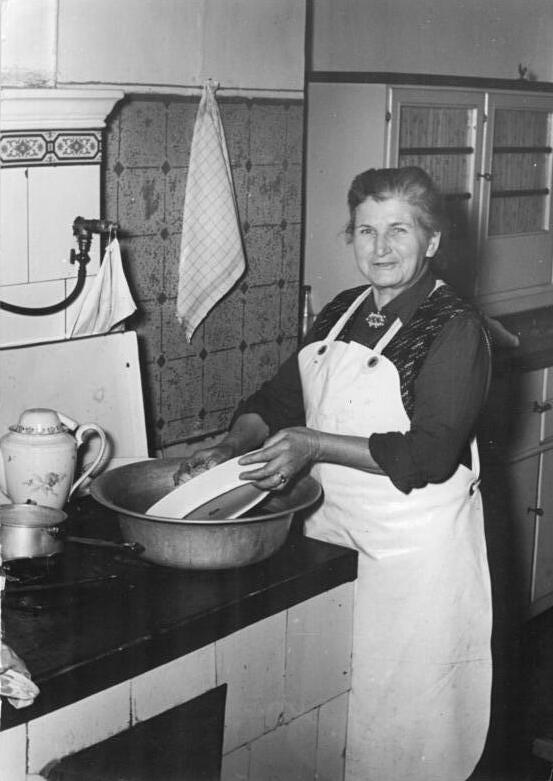
How washing works
At a chemical level, soaps and detergents act as surfactants: molecules with a water-attracting end and an oil-attracting end. These molecules surround and lift oily particles away from the surface and into the water in a process called emulsification. Mechanical action (rubbing, scrubbing or agitation), contact time, temperature and water quality all influence how effectively soil and microbes are removed. Rinsing finally carries those suspended particles away.
Common types and techniques
- Hand washing: cleaning the body or hands with soap and water; crucial for preventing disease transmission.
- Laundry: removal of soil and odors from clothing using detergents, machines or handwashing methods.
- Dishwashing: manual or machine washing of cookware and tableware to reduce food residues and bacteria.
- Surface and equipment washing: routine cleaning in homes, businesses and healthcare settings to lower contamination levels.
- Industrial cleaning: specialized processes for machinery, vehicles and buildings, often using stronger chemicals or pressurized water.
History and development
People have practiced forms of washing for millennia. Archaeological and textual evidence shows that soap-like substances and bathing were known in ancient civilizations. Over time, the development of manufactured soaps, synthetic detergents in the 20th century, and automated washers transformed personal and domestic cleaning. Public health movements emphasized hand and body washing as a way to reduce infection and improve hygiene.
Importance and environmental considerations
Washing is central to infection control, food safety and personal hygiene; proper hand washing alone is one of the most effective ways to reduce the spread of common infectious diseases. However, washing also uses water and energy and can introduce chemicals into the environment. Modern regulations and consumer products aim to reduce harmful ingredients (for example, excessive phosphates) and improve biodegradability. Conserving water, selecting appropriate detergents and using efficient appliances help balance hygiene needs with environmental protection.
Distinctions and notable points
Washing removes dirt and reduces microbial load, but it is distinct from disinfection and sterilization, which use chemicals or heat to kill or inactivate most or all microbes. Choice of method depends on the goal: routine hygiene typically requires washing, while medical settings may require subsequent disinfection. Understanding the mechanisms, techniques and impacts of washing supports better health and more sustainable practices.
Related articles
Author
AlegsaOnline.com Washing: cleaning with water, soap, and detergents Leandro Alegsa
URL: https://en.alegsaonline.com/art/106666