
Watch glass (laboratory equipment)
A shallow, slightly convex glass dish used in laboratories for holding small solids, evaporating liquids, covering beakers, observing samples and assisting in crystallization and weighing.
Overview
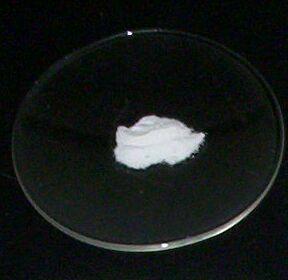
A watch glass is a small, shallow piece of glassware commonly found in chemical laboratories. Its gently curved shape resembles the glass of a pocket watch, which gives the item its name. It is intended for short-term handling of samples rather than long-term storage and serves multiple purposes such as holding small amounts of solids (temporary storage of solids) and containing limited volumes of liquids (small amounts of liquids).
Image gallery
5 Images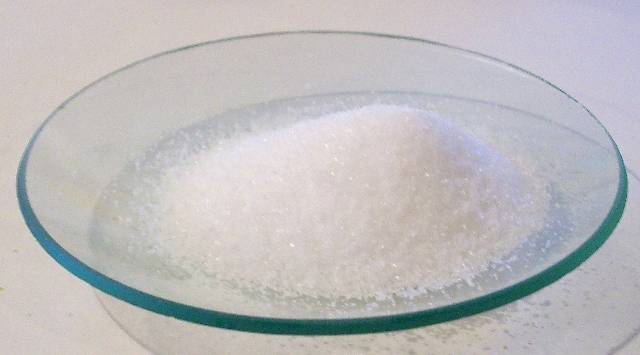


Design and characteristics
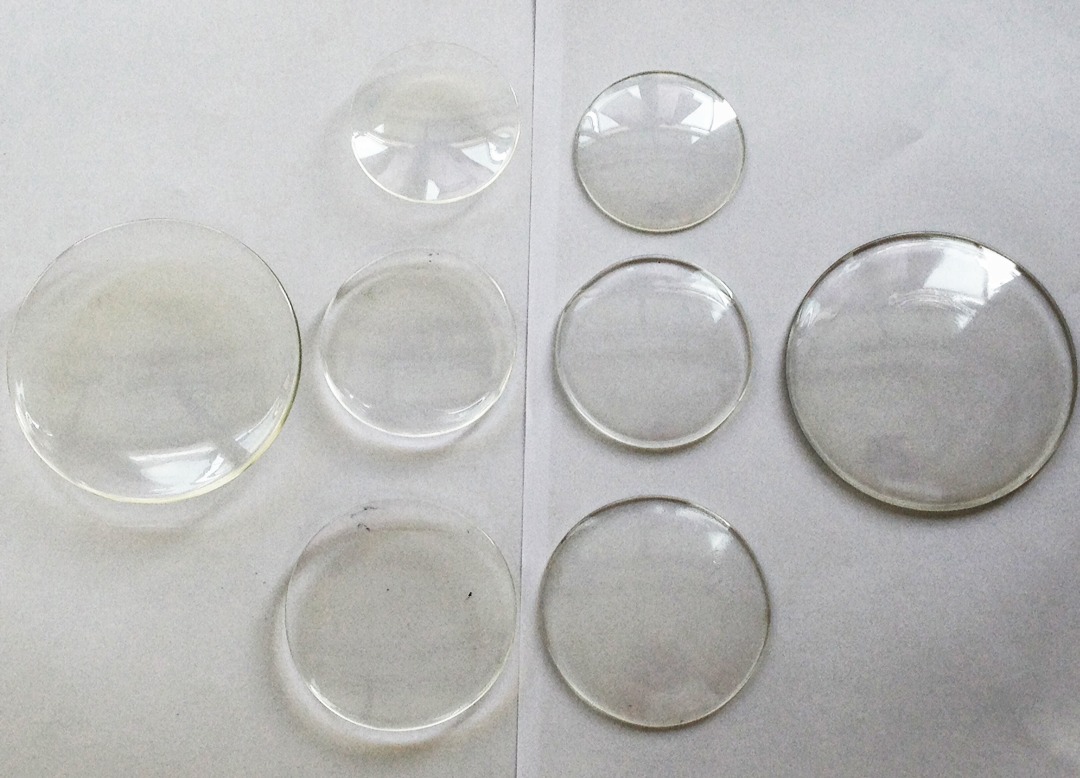
Typically circular and slightly concave, a watch glass is thin and lightweight. Materials are usually soda-lime glass or borosilicate glass for greater thermal resistance; plastic variants exist for disposable or non-reactive uses. Sizes vary from a few centimeters to larger diameters used as lids. Because they are open and shallow, evaporation and visual inspection are easy, but they provide minimal protection from contamination.
Common uses
- Evaporating small quantities of solvent to obtain a residue or concentrate a solution.
- Holding solids prior to weighing or transfer on an analytical balance.
- Acting as a loose cover for beakers to reduce contamination or splashing.
- Serving as a surface for recrystallization trials, observation of precipitates, or temporary mixing of reagents.
Care, safety and distinctions
Watch glasses are fragile; handle with care and avoid subjecting ordinary glass to direct high flames. Borosilicate varieties tolerate moderate heating better. Cleaning is by rinsing and standard laboratory detergents; persistent residues may require solvents or acid cleaning in proper facilities. A watch glass differs from an evaporating dish (deeper, intended for more substantial heating) and from a Petri dish (often used for biological cultures and may have a lid designed to reduce contamination).
Notable facts: the piece is prized for its simplicity and versatility—many small tasks in routine laboratory work, from observation to minor drying steps, are conveniently accomplished with a watch glass.
Related articles
Author
AlegsaOnline.com Watch glass (laboratory equipment) Leandro Alegsa
URL: https://en.alegsaonline.com/art/106768