
Malnutrition: causes, types, effects and prevention
Malnutrition is an imbalance of nutrient intake affecting growth, health and survival. This article explains types (undernutrition, micronutrient deficiencies, dehydration, overweight), causes, consequences and responses.
Overview
Malnutrition describes any condition in which the diet fails to meet the body’s requirements for energy, protein or essential nutrients. It is a broad term that covers both inadequate intake and poor quality of diet, and it includes specific nutrient shortfalls as well as imbalances such as excess calories but insufficient vitamins or minerals. For basic definitions and dietary guidance see nutrition information and summaries of required nutrient types.
Image gallery
10 Images




Types and common causes
Health professionals divide malnutrition into several overlapping categories. Undernutrition arises when food intake is too low to supply sufficient energy or protein. Micronutrient deficiencies occur when one or more vitamins or minerals are lacking, for example a shortage of certain vitamins can lead to diseases such as beriberi or rickets, and general vitamin shortages are discussed under vitamin deficiency.
- Dehydration is a related condition caused by inadequate fluid intake and is addressed separately by health services; see dehydration.
- Overnutrition or diet-related malnutrition happens when calorie-rich but nutrient-poor foods produce overweight, obesity or metabolic problems—sometimes labelled an unhealthy diet outcome.
Common causes include poverty and food insecurity, limited access to diverse foods, infectious disease that increases nutrient needs, poor infant feeding practices, and emergencies such as famine that reduce the availability of food.
Consequences and clinical examples
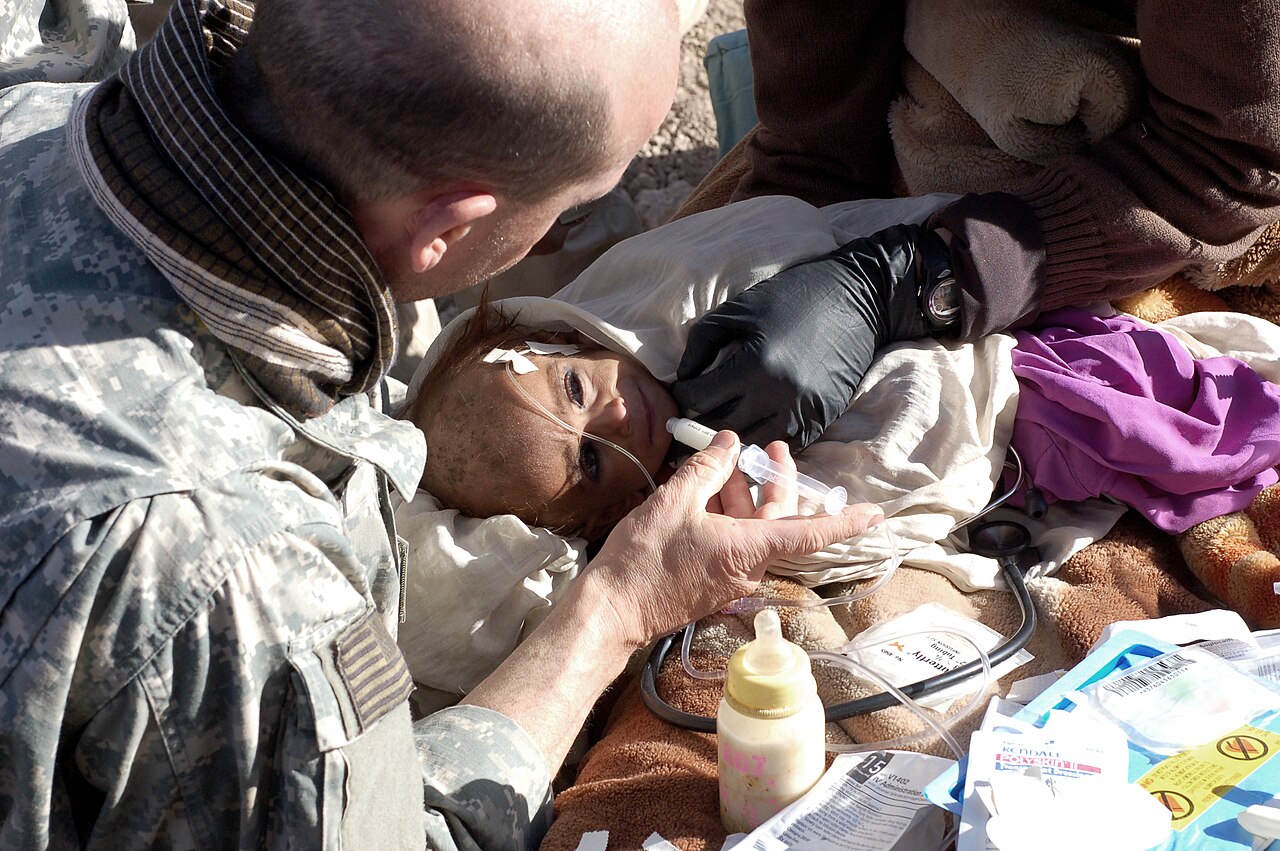
Malnutrition impairs growth and development in children, weakens the immune system, slows wound healing, and increases susceptibility to infection. Severe protein-energy malnutrition produces clinical syndromes like marasmus and kwashiorkor, characterised by wasting, edema and other systemic effects. Specific deficiencies cause recognisable conditions: for instance, lack of vitamin D contributes to rickets, and inadequate thiamine causes beriberi. In populations affected by shortages, malnutrition contributes to higher death rates, especially among infants, young children and older adults.
Diagnosis, measurement and public health responses
Clinically, malnutrition is assessed using anthropometric measures (weight-for-age, height-for-age, body mass index), biochemical tests for specific nutrients, and dietary assessment. Public health responses range from targeted micronutrient supplementation and food fortification to large-scale emergency feeding programs and long-term measures that improve food systems, water and sanitation, maternal care and education. Therapeutic feeding and medical treatment are essential for severe cases, while prevention focuses on ensuring a balanced diet and access to safe fluids to avoid dehydration.
Terminology, distinctions and notable facts
The term malnutrition is more inclusive and scientific than starvation, which usually refers to extreme, life-threatening lack of food. It is important to distinguish undernutrition (too little) from micronutrient deficiency (missing specific nutrients) and overnutrition (too much energy relative to needs). Programmes that combat malnutrition may prioritize prevention, treatment, or both, depending on context and the dominant local forms of malnutrition.
Further reading and resources
For practical guidance on diet quality and interventions consult introductory resources and institution pages that describe nutrient needs, emergency nutrition, and community programmes: see general nutrition pages at nutrition information, comparisons of nutrient lists at nutrient types, clinical notes on vitamin deficiency and emergency guidance for famine response. Overviews of dehydration management are available at dehydration, and discussions of diet quality and public health implications can be found under links marked unhealthy diet and food. For historical context and terminology see resources labelled starvation and summaries of mortality studies at death rate.
Related articles
Author
AlegsaOnline.com Malnutrition: causes, types, effects and prevention Leandro Alegsa
URL: https://en.alegsaonline.com/art/61060