
Weak acid: properties, dissociation, examples and applications
A weak acid partially dissociates in water, establishing an equilibrium between undissociated molecules and ions. Covers characteristics, Ka/pKa, examples, buffers, polyprotic acids and practical relevance.
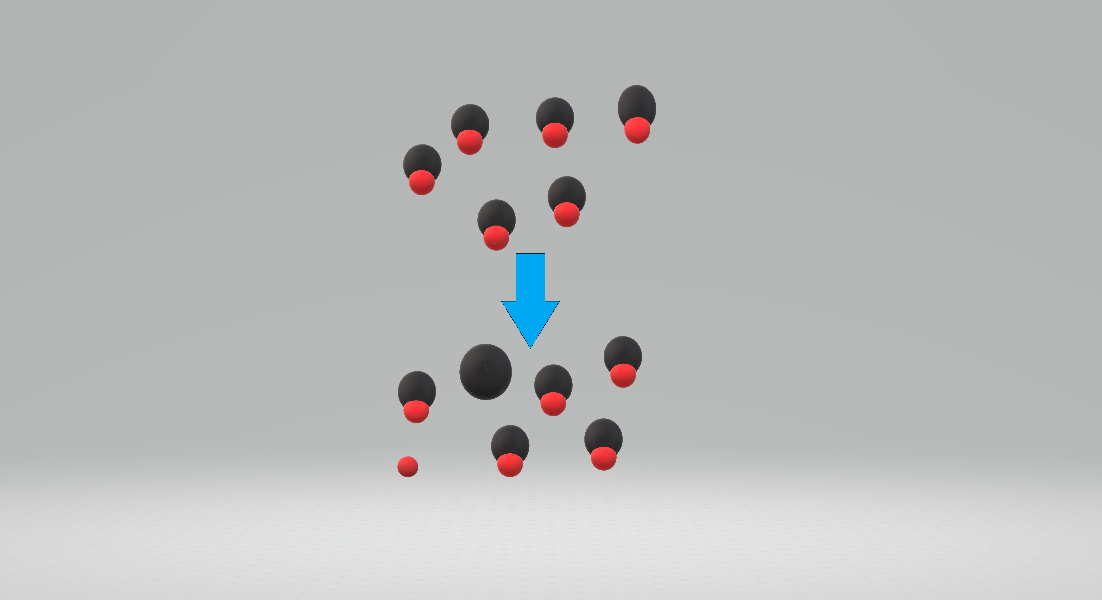
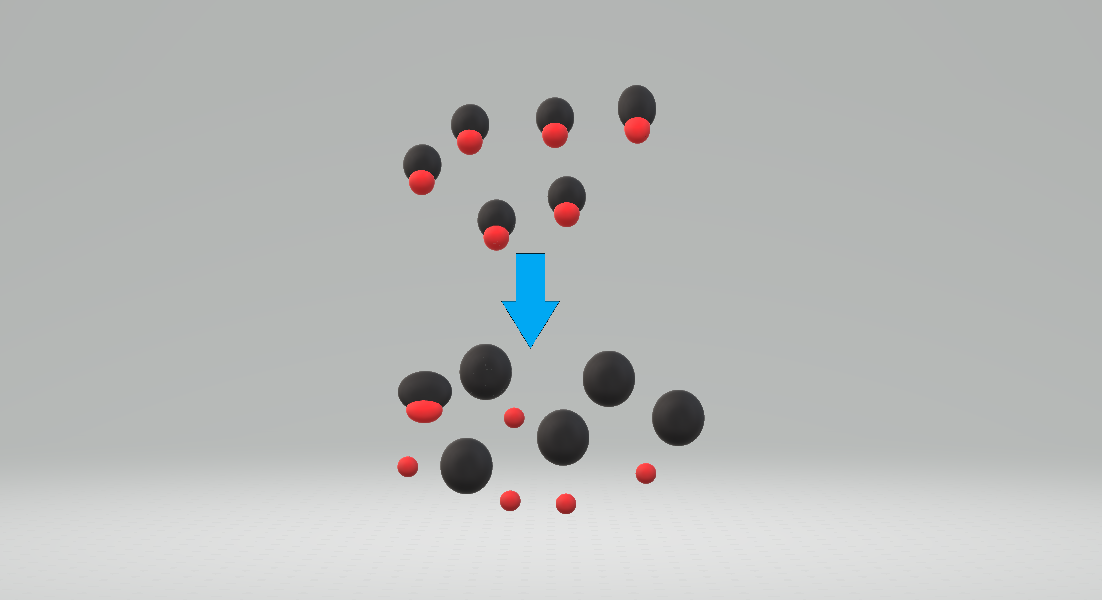
A weak acid is a substance that does not fully ionize when dissolved in water. Instead of releasing all of its acidic protons to form free hydrogen ions, a weak acid establishes an equilibrium between the undissociated molecules and their ions. In chemical terminology a typical dissociation can be written as: HA (aq) ↔ H+ (aq) + A− (aq). The balance between these species depends on the intrinsic tendency of the acid to donate protons and on the solution conditions, such as concentration and temperature.
Image gallery
6 Images


Characteristics and quantitative measures
The extent of dissociation for an acid is measured by its acid ionization constant, Ka, defined by the equilibrium expression Ka = [H+][A−]/[HA]. A related quantity, pKa, is defined as pKa = −log10(Ka) and is commonly used because it yields more convenient numbers. Weak acids typically have Ka values much smaller than 1 and correspondingly larger pKa values than strong acids. The percent dissociation of a weak acid varies with concentration: a dilute solution of a weak acid will show a higher fraction dissociated than a more concentrated solution of the same compound.
Typical examples and types
- Monoprotic weak acids: acetic acid (CH3COOH), formic acid (HCOOH).
- Polyprotic weak acids: carbonic acid (H2CO3), oxalic acid (H2C2O4) and citric acid — these release protons in stepwise equilibria with distinct Ka1, Ka2, (Ka3) values.
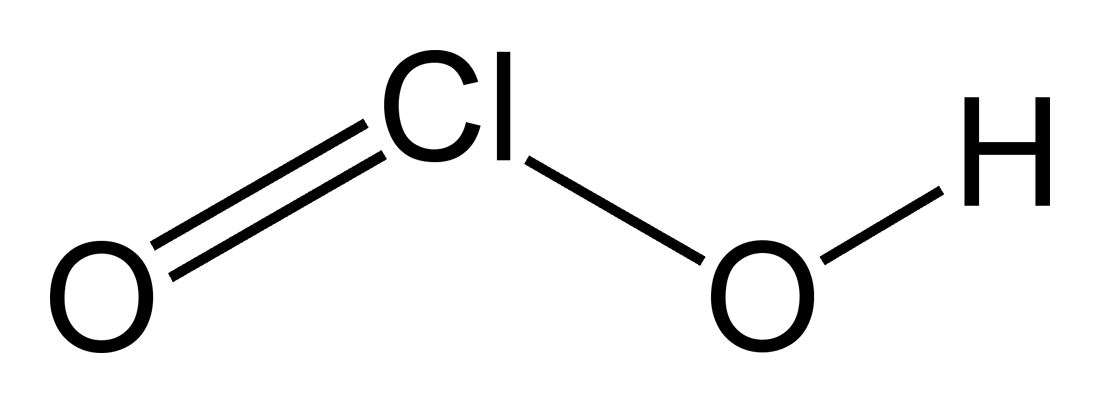
- Organic and inorganic weak acids: many organic carboxylic acids are weak; some inorganic acids such as nitrous acid (HNO2) are also weak.
pH, buffers and practical importance
Solutions of weak acids commonly produce pH values that depend strongly on concentration and the relative amounts of conjugate base present. Weak acid/conjugate base pairs form the basis of buffer solutions that resist changes in pH; the Henderson–Hasselbalch equation, pH = pKa + log([A−]/[HA]), is widely used to estimate pH for such systems. Because of these buffering properties, weak acids and their salts are central to biological systems, food chemistry, pharmaceuticals and analytical chemistry.
How weak acids differ from strong acids
Unlike strong acids, which are effectively completely dissociated in water, weak acids always retain a significant proportion of undissociated molecules at equilibrium. This leads to different behaviors in titration curves (strong acids show sharp endpoints; weak acids show buffered regions and shifted equivalence points), conductivity, reaction kinetics and reactivity. Measuring Ka or performing acid–base titrations are common experimental ways to characterize acid strength.
For additional reading about the process of ionization, aqueous equilibria in water, proton transfer and the role of hydrogen ions, consult standard chemistry resources. Specific compound examples include acetic acid and other carboxylic acids; stepwise dissociation of polyprotic acids and their equilibria are discussed in more detail in specialized texts on acid–base chemistry.
Related articles
Author
AlegsaOnline.com Weak acid: properties, dissociation, examples and applications Leandro Alegsa
URL: https://en.alegsaonline.com/art/107024