
Virtue: Moral Excellence, Classical Virtues, and Ethical Traditions
An overview of virtue as moral excellence: definitions, classical cardinal and theological virtues, historical development, examples, and distinctions in ethical thought.
Overview
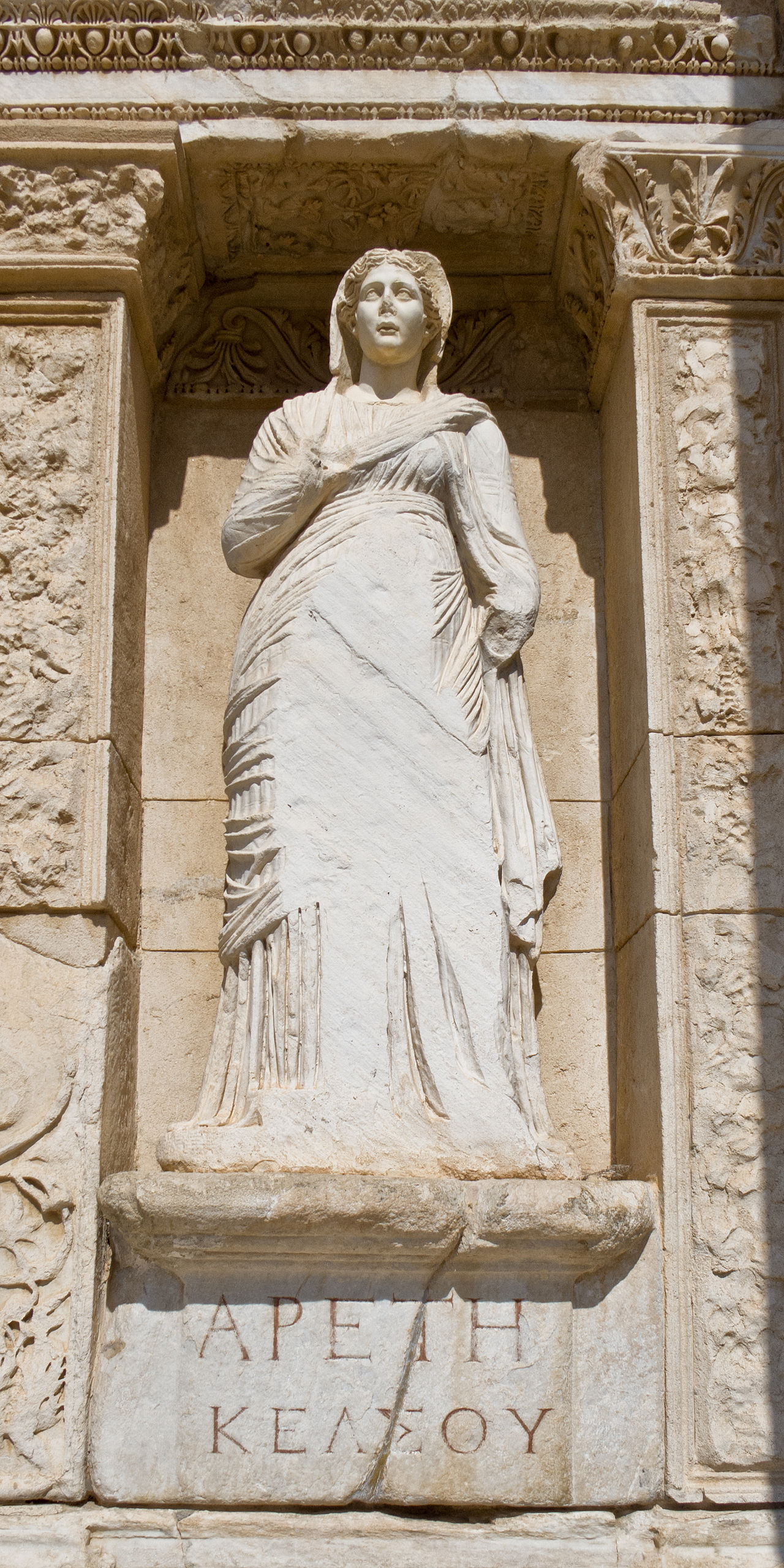
Virtue traditionally denotes moral excellence or a stable character trait judged to be good. The English term 'virtue' is derived from the Latin term virtus and corresponds to the Greek word ἀρετή, both pointing to qualities that enable a person to live well and contribute to the common good. In ordinary use, virtues name dispositions such as honesty, courage, temperance, and compassion; a person who consistently acts in ways considered morally good is called virtuous, while the opposite is a vice. The concept of virtue ties personal character to social expectations and has been central to moral thinking in many cultures.
Image gallery
7 Images


Etymology and general meaning
Historically, the terms in Latin and Greek carried both moral and functional senses: a virtue could mean the excellence that makes a thing fulfill its purpose. Applied to human beings, this idea suggests that virtues are capacities or acquired dispositions that help people flourish. Philosophers and religious teachers have therefore treated virtue both as personal improvement and as social practice, encouraging habits and institutions that support moral development.
Classical lists: cardinal and theological virtues
Western thought often distinguishes cardinal virtues and, in Christian tradition, theological virtues. The four cardinal virtues commonly named in classical sources are prudence (practical judgment), justice (fair treatment of others), fortitude or courage and temperance (self-control). Many writers refer to courage with the simple term courage and to wisdom as a guiding intellectual virtue; in some accounts wisdom is emphasized as a regulator of the other virtues and can be represented by the term wisdom.
In Christian teaching a complementary set of three theological virtues—faith, hope and charity (often translated as love)—is prominent. These are explicitly named in the Bible, for example in the First Epistle to the Corinthians, where they are presented as enduring orientations of the soul. The cardinal and theological lists shaped moral education, art, and social ideals in European culture across many centuries.
Philosophical traditions and debates
Ancient Greek thinkers, from pre-Socratic sages through Plato and Aristotle, explored how virtues relate to human flourishing and the good life. Plato and others debated whether virtues are distinct or unified, while later Aristotelian accounts treated virtues as mean states between extremes, developed through habituation and practical reasoning. Stoic philosophers emphasized inner resilience and the primacy of reason, framing virtue as sufficient for true happiness.
Beyond Greece, religious and philosophical traditions also offer rich virtue vocabularies. Jewish ethical teaching underscores justice, kindness and covenantal duties; Islamic moral writings stress virtues such as justice, charity and humility; East Asian systems like Confucianism place strong emphasis on filial piety, propriety and benevolence. These comparative perspectives show both diversity in emphasis and recurring concerns about fairness, courage, moderation and wisdom across cultures. Briefly, one may consult resources on Judaic and Muslim ethical traditions to see analogies and differences with Western lists.
Virtue ethics and modern revival
In the twentieth century there was a notable revival of virtue-centered moral thought, often called virtue ethics. This approach shifts attention from isolated actions or formal rules to the moral character of agents and patterns of life that produce flourishing. Contemporary virtue ethicists examine how virtues are formed, the role of community and practices, and how virtues can guide judgment in complex situations where rule-following or consequence-calculation alone may be inadequate.
Examples, cultivation, and institutional roles
Concrete virtues include honesty, humility, courage, compassion, diligence, generosity and patience. Cultivation of virtue typically involves repeated practice, moral education, role models, and supportive social institutions such as families, schools and civic associations. Laws and policies can encourage virtuous conduct but cannot by themselves create inner dispositions; many thinkers thus emphasize the complementary roles of habit, reflection and community life in moral formation.
Criticisms and open questions
Debates about virtue include whether virtues are universal or culturally specific, how virtues conflict and should be prioritized, and whether emphasizing character downplays structural injustice. Critics sometimes argue that virtuous conduct can be used to mask inequalities or that the ideal of virtue can be socially coercive. Proponents respond that a nuanced account of virtue must attend to justice, context and social reform as well as personal improvement.
Further study and related topics
For further exploration see works in moral philosophy, comparative ethics and historical theology. Accessible entry points include treatments of Ancient Greek moral theory and the writings of thinkers such as Plato, which address how virtue relates to knowledge, community and the good life. Readers wishing an overview of moral theories may follow general resources on moral philosophy that compare virtue ethics with deontological and consequentialist approaches.
Related articles
Author
AlegsaOnline.com Virtue: Moral Excellence, Classical Virtues, and Ethical Traditions Leandro Alegsa
URL: https://en.alegsaonline.com/art/105584