
Visual kei: Japanese music movement blending fashion and theatrical rock
Visual kei is a Japanese music and style movement characterized by theatrical fashion, androgyny, and genre-blending sound that emerged in the late 1980s and influenced fashion and subcultures worldwide.
Overview
Visual kei (literally "visual style") is a Japanese movement that combines popular music with elaborate visual presentation. Bands associated with visual kei emphasize costume, makeup, hair, and stagecraft as integral parts of their artistic identity, using dramatic imagery to complement songs and performances. The movement emerged in the late 1980s and developed into a diverse scene rather than a single musical genre.
Image gallery
10 Images




Distinctive characteristics
Visual kei groups are commonly recognized by a set of aesthetic and performative traits, including:
- Striking wardrobes that may draw on gothic, historical, punk, or glam traditions.
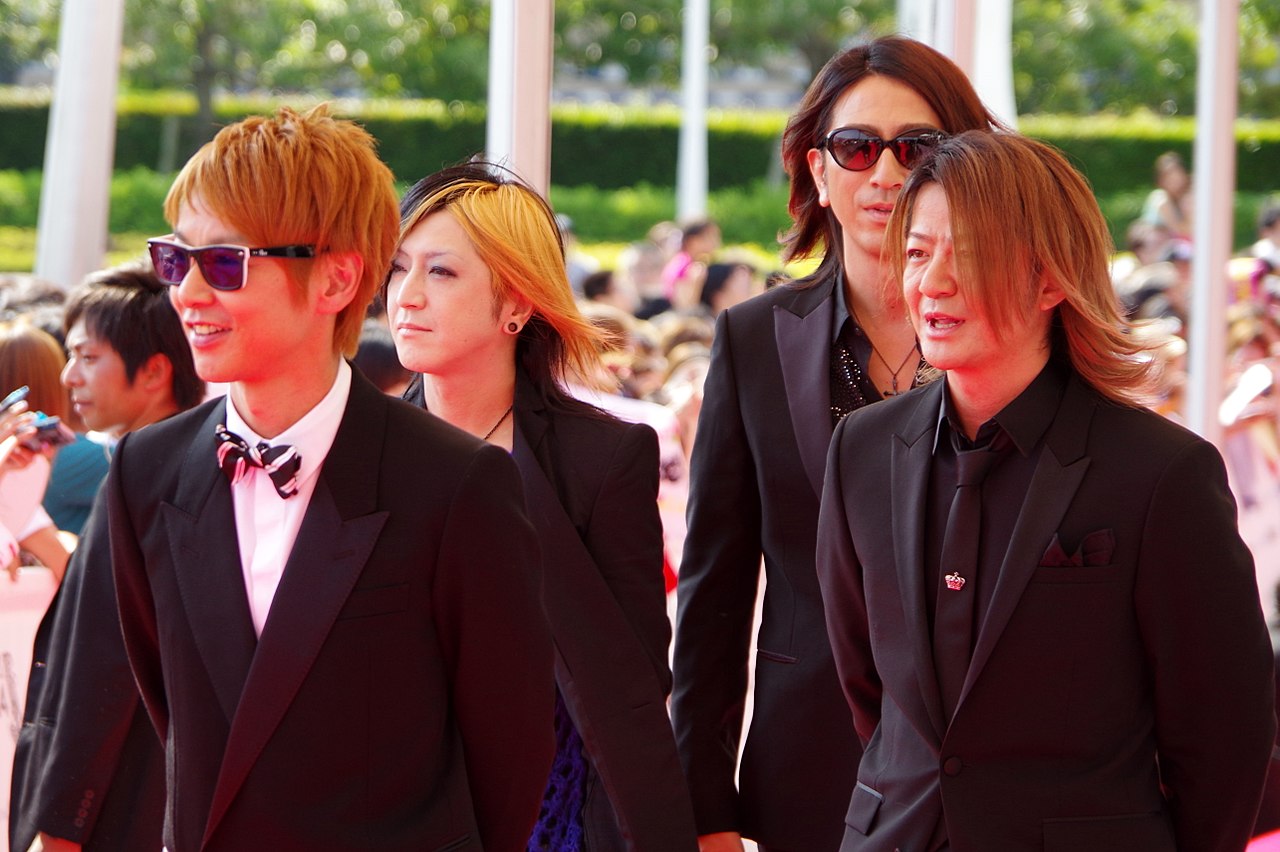
- Heavy makeup, dyed hair, and engineered hairstyles to create distinctive personae.
- Androgynous presentation—blurring conventional gendered clothing and appearance.
- Theatrical live shows with props, lighting and choreography used to heighten the music’s emotional impact.
Musical roots and evolution
Musically, visual kei began with strong influences from Western movements: artists drew on the theatricality of glam rock and the intensity of heavy metal. As the scene matured it absorbed a wide range of styles, creating a fluid spectrum that at times includes elements of goth, electronic and industrial textures, pop-oriented melodies similar to J-pop, and even rhythmic experiments influenced by hip hop. This stylistic mixing has led to terms such as "neo-visual kei" for later acts that update the aesthetic for modern tastes.
History and development
Early acts helped define the movement by pairing strong visual concepts with rock music. Bands that rose to prominence in the scene brought attention both inside and outside Japan, encouraging younger musicians to adopt extravagant looks and ambitious stagecraft. Over time the movement diversified: some artists leaned into heavy rock and metal, others prioritized pop sensibilities or dark, gothic atmospheres. Regional venues, independent labels, and fan communities all played roles in sustaining and evolving visual kei.
Cultural influence and fashion
Visual kei has had an impact beyond music, contributing to street fashion and youth subcultures. It influenced styles such as Goth Lolita, where Victorian-inspired silhouettes and dark palettes intersect with the theatrical makeup and hairstyling common to visual kei performers. Fans often emulate their favorite bands, creating fashion scenes around record releases and live events. The visual emphasis also made the movement naturally suited to magazines, music videos and dedicated fan media.
Notable acts and legacy
Several bands are frequently cited as milestones in the development and popularization of visual kei. Pioneering groups include X Japan, who are often credited with bringing theatrical rock to wide attention, and other influential acts such as Malice Mizer and Luna Sea, each known for distinctive visuals and ambitious music. More contemporary bands like Dir en grey continued to evolve the sound and reach international audiences. While the scene remains diverse, its core legacy is the fusion of image and sound that changed how many Japanese artists present themselves on stage.
Visual kei continues to inspire new musicians and fashion designers, and its aesthetic remains a notable part of Japan's modern cultural export. For further reading and artist histories consult specialized music resources and fan archives that document the scene's many substyles and eras.
Related articles
Author
AlegsaOnline.com Visual kei: Japanese music movement blending fashion and theatrical rock Leandro Alegsa
URL: https://en.alegsaonline.com/art/105638
Sources
- furinkan.com : furinkan.com/errordocs/404.htm
- visualkei.com : VisualKei.com