
Vitry-en-Artois, Pas-de-Calais
Vitry-en-Artois is a commune in Pas-de-Calais in northern France, part of Hauts-de-France; a local agricultural and transport hub with historic buildings, community services and regional links.
Vitry-en-Artois is a commune in the Pas-de-Calais department and a local centre for surrounding agricultural villages. For official information see the commune page: Vitry-en-Artois (commune). Administratively the town lies in the department of Pas-de-Calais and is part of the region now known as Hauts-de-France, previously grouped as Nord-Pas-de-Calais. It is located in the north of the country and participates in the economic and social networks of northern France.
Image gallery
2 Images
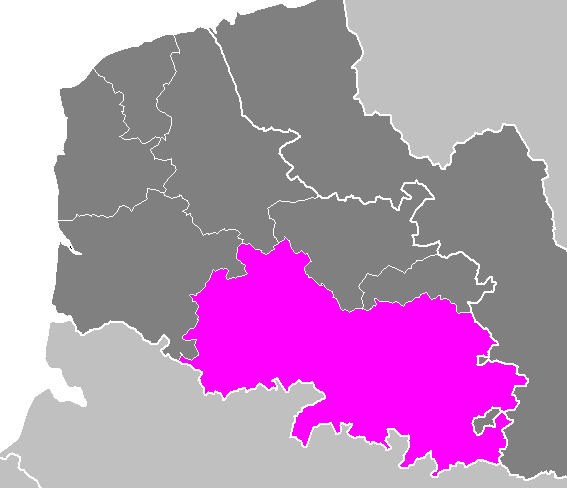
Geography and transport
The commune occupies a position in a largely rural landscape with a compact town centre. It benefits from good regional connections by road and rail that link residents and businesses to nearby urban centres such as Arras and cities farther afield. These transport links support commuting, goods movement and access to services in the wider region. Local roads, public transport options and proximity to major routes are part of the town's appeal for households and small enterprises.
History
Vitry-en-Artois has roots common to many settlements of the Artois area, with historical development tied to agriculture and local trade. The town and its surroundings were affected by the conflicts that swept this part of Europe in the 20th century and subsequently underwent postwar rebuilding and modernisation. A historic parish church and war memorials testify to the community's long continuity and its experience of modern events.
Economy, culture and services
The local economy combines arable farming, small businesses, artisans and service activities that serve surrounding villages. Weekly markets, cultural associations and sports clubs contribute to local life, while primary education, municipal services and basic health care are available in the town. For department-level administrative information see the Pas-de-Calais resources: department administration.
Administration and community life
As a French commune, Vitry-en-Artois is governed by a municipal council and mayor and forms part of intercommunal structures for shared services. Community events, local planning and maintenance of public spaces are organised at the municipal level with cooperation from neighbouring communes when appropriate. Residents typically travel to larger towns for specialised medical care, higher education and major commercial services.
Notable places
- Historic parish church and traditional streets in the town centre.
- Town hall, community halls and sporting grounds hosting local events.
- War memorials and traces of the area's 20th-century history.
- Nearby rural landscapes and paths used for walking and cycling.
For practical information on municipal services, events and local administration consult the commune's page and regional guides linked above. Official and up-to-date sources provide details on opening hours, planning documents and community programmes: official commune information and regional resources for northern France.
Related articles
Author
AlegsaOnline.com Vitry-en-Artois, Pas-de-Calais Leandro Alegsa
URL: https://en.alegsaonline.com/art/105674